Western Digital’s CEO has confirmed what industry observers have long suspected: the company’s entire hard disk drive (HDD) production capacity for 2026 is already fully allocated. In a recent earnings call, Irving Tan revealed that demand from hyperscalers and cloud providers has exhausted available supply, with long-term agreements (LTAs) extending into 2027 and 2028. The shift reflects a broader industry trend—AI-driven data centers are consuming HDDs at an unprecedented rate, leaving little room for consumer or enterprise non-AI workloads.
The implications are immediate. For data centers, this means continued reliance on HDDs as the most cost-effective storage solution for vast datasets—think exabyte-scale archives of web scrapes, model training logs, and backups. But for consumers and small businesses, the outlook is less certain. With Western Digital’s consumer revenue now just 5% of its total—down from earlier years—the company’s focus has pivoted entirely toward enterprise clients. That leaves a critical question: who will fill the gap when HDDs become scarcer?
Pricing is already a concern. The LTAs Tan referenced include both volume commitments and fixed pricing terms, suggesting that suppliers are locking in higher costs to account for the AI-driven surge. While Western Digital hasn’t announced specific price hikes, the lack of available capacity implies that any demand not met by alternative suppliers will face upward pressure. For now, consumers relying on bulk HDD purchases—such as NAS builders or archival storage users—may need to plan ahead or consider alternatives like SSDs, which, despite their higher per-gigabyte costs, offer reliability and performance benefits in certain use cases.
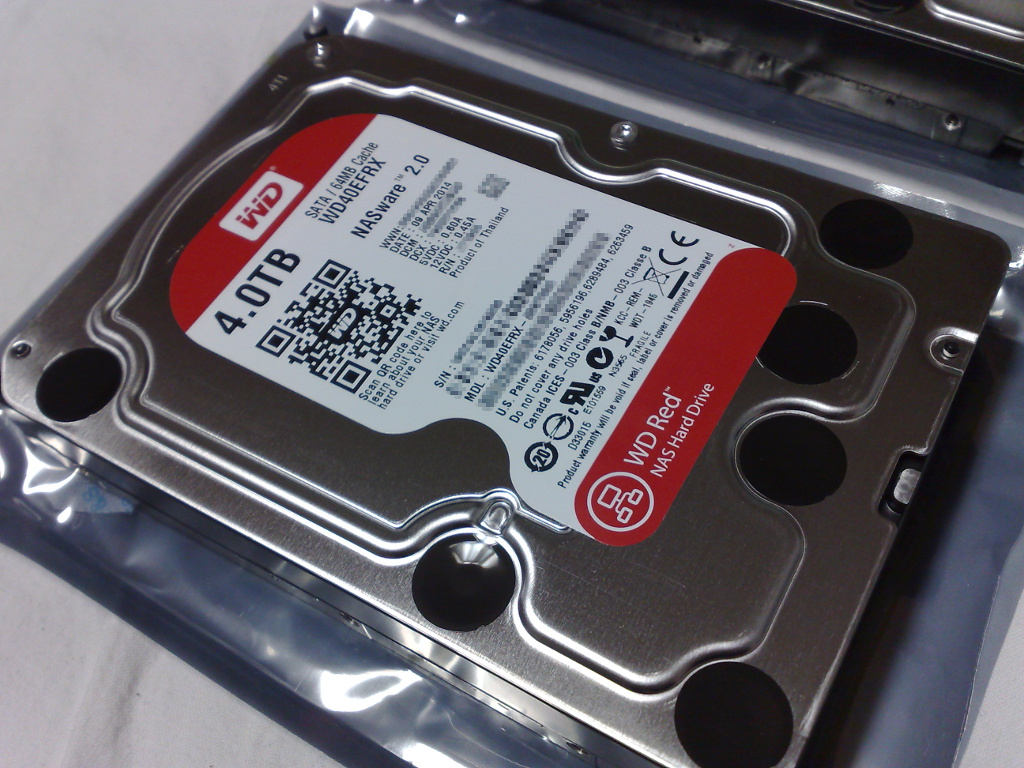
Why HDDs Remain Critical for AI
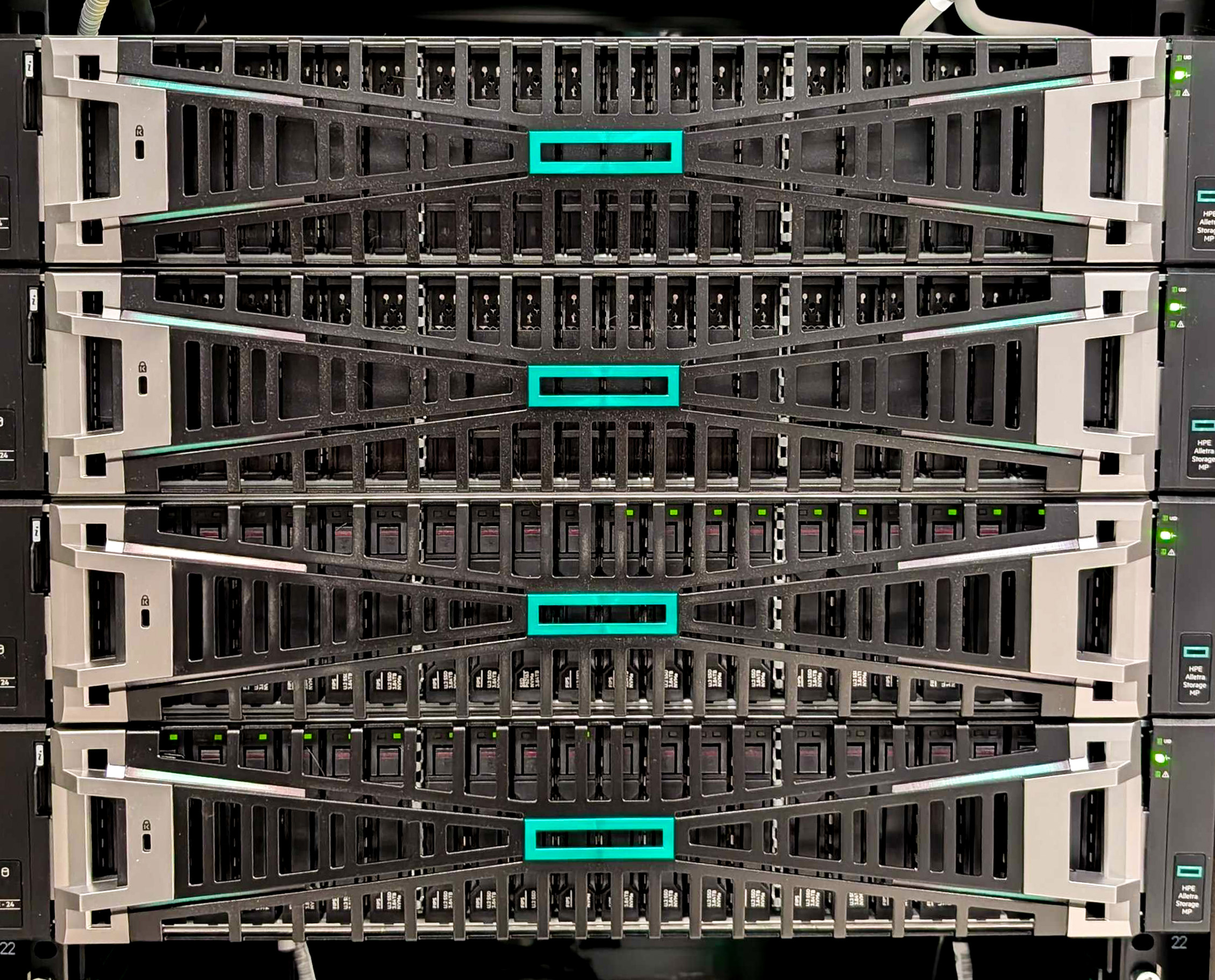
Despite the hype around flash storage and next-gen memory like HBM3, HDDs still dominate in one key area: sheer capacity at the lowest cost. Data centers require petabytes of storage for raw data ingestion, and HDDs deliver that at a fraction of the price of SSDs or DRAM-based solutions. The trade-off? Slower access speeds and higher latency—hardly a concern when the primary use case is archival or cold storage. With AI models consuming ever-larger datasets for training and inference, the demand for HDDs isn’t just stable; it’s accelerating.
This isn’t just a Western Digital issue. The broader storage industry is grappling with similar constraints, as suppliers prioritize high-margin contracts with cloud providers over traditional markets. For end users, the message is clear: if you’ve been holding out for bulk HDD deals or planning a high-capacity NAS, now may be the time to act—before prices climb further or availability dries up entirely.
Key Takeaways
- Fully booked capacity: Western Digital’s HDD production for 2026 is 100% allocated, with LTAs extending to 2027 and 2028.
- Enterprise dominance: Consumer HDD revenue now represents just 5% of total revenue, as cloud and AI workloads take priority.
- Pricing pressure: Long-term agreements include fixed pricing terms, suggesting higher costs for non-contracted buyers.
- AI dependency: HDDs remain essential for cost-effective exabyte-scale storage in data centers, driving sustained demand.
- Consumer impact: Limited supply and enterprise focus may lead to higher prices or reduced availability for bulk HDD purchases.
The shift underscores a fundamental reality: in the age of AI, storage infrastructure is no longer a static market. For businesses and consumers alike, adaptability—and perhaps a willingness to explore alternatives—will be key.