For most players, Tomb Raider’s legacy begins with the gritty reboot of 2013—a franchise reinvention that redefined Lara Croft’s modern identity. But long before Crystal Dynamics reimagined the series, a quiet revolution was unfolding in the shadows of gaming history. Since the late 1990s, a dedicated group of modders has been breathing new life into Core Design’s original Tomb Raider games, creating thousands of custom levels that rival the ambition of the studio’s own work.
What started as a hobby for a handful of enthusiasts has now become a cultural touchstone for the franchise, influencing everything from remastered classics to the next generation of Tomb Raider titles. For some, it was the spark that launched careers in the industry. For others, it’s a labor of love that preserves a style of gameplay modern Tomb Raiders have abandoned.
The story begins not with Lara’s cinematic resurgence, but with a forgotten toolkit released in 2000 for Tomb Raider: Chronicles. That level —buried in the game’s code—unlocked a door to creativity that would persist for decades. Yet even before its official release, modders like Turbo Pascal had already reverse-engineered the engines of the first three Tomb Raider games, allowing players to craft their own missions. By the time the Tomb Raider Level (TRLE) arrived, the community was already thriving, with custom maps appearing years in advance of the tool’s release.
The Tools That Defined a Generation
TRLE became the backbone of the modding scene, but its limitations—buggy, clunky, and restricted to the Tomb Raider IV engine—pushed developers to innovate. Over time, fan patches and custom utilities expanded its capabilities, eventually leading to Tomb , a modernized alternative released in 2017. Unlike its predecessor, Tomb supported all five Core Design-era engines, from the original Tomb Raider to The Last Revelation. This wasn’t just an upgrade; it was a renaissance.
The shift from TRLE to Tomb mirrored the evolution of the community itself. Where early modders struggled with primitive tools, today’s creators wield software that rivals professional game engines. The results speak for themselves: nearly 4,000 custom levels exist across platforms like TRCustoms and trle.net, with The Last Revelation dominating the scene. These range from meticulously crafted replicas of classic Tomb Raider puzzles to whimsical experiments—like a mission where Lara boards the USS Enterprise or survives a plane crash in the Himalayas.
A Community Built on Obsession
The modding scene has produced some of the most respected level designers in gaming history. Take BradTRe, whose journey began in 2007 after stumbling upon custom maps online. Being able to create my own adventures for others to play was addicting, he recalls. Since then, he’s crafted nearly a dozen missions, including Another Bloody Christmas, a sprawling, two-year labor of love that features the largest levels, most scripting, and most intricate storytelling of any fan project to date.
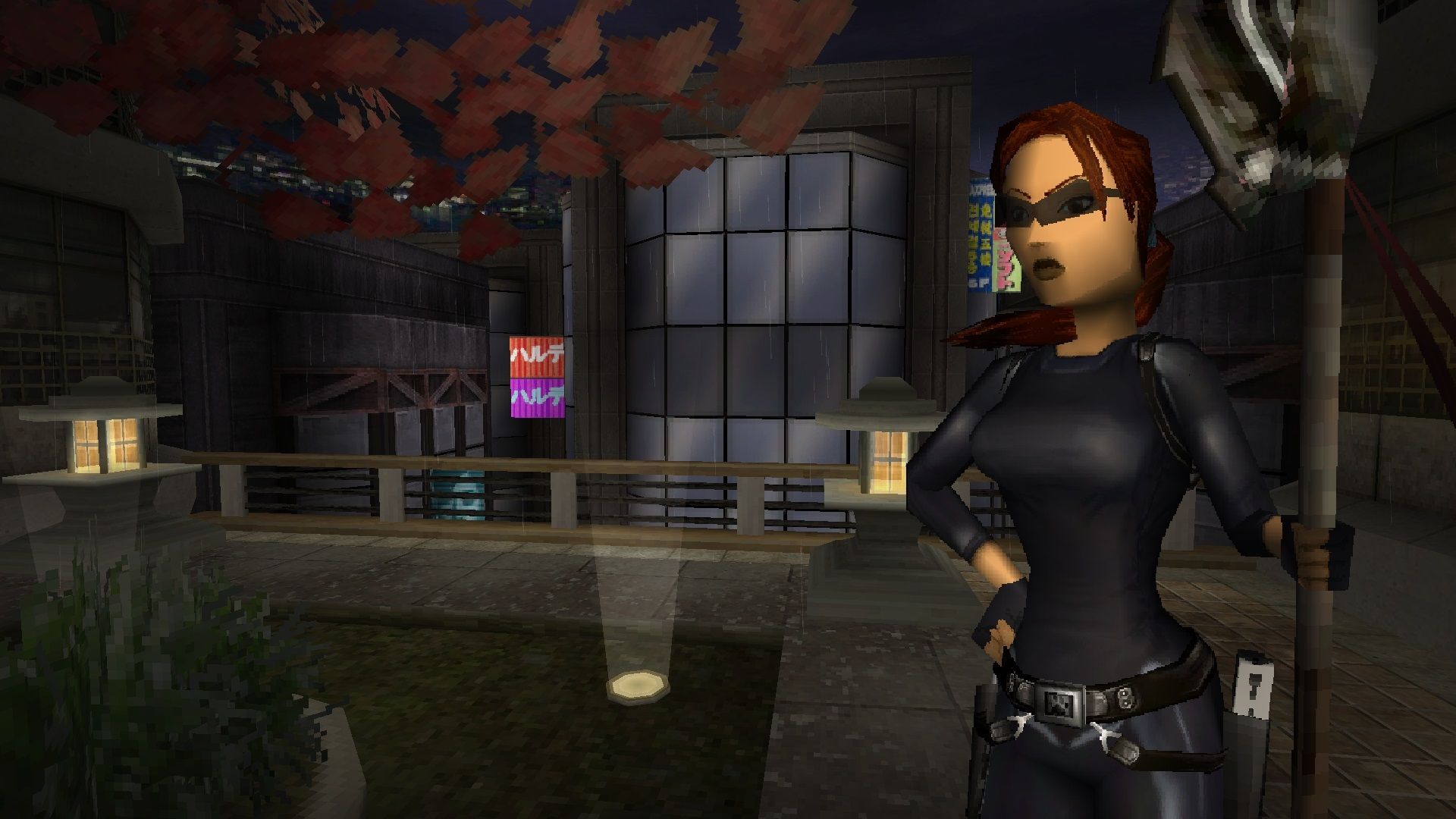
Then there’s Axel Hatté, whose 2013 debut into the scene led directly to a career in the industry. His most famous work—a demake of Tomb Raider: Legend reimagined in the style of Core Design’s original games—caught the attention of Saber Interactive’s technical director. With no professional portfolio, Hatté built one in weeks and landed a role as an environment artist on the Tomb Raider 4-6 Remastered project. It was a life-changing experience, he says. I’m grateful to have been given that opportunity.
For many in the community, the appeal of modding lies in its purity: no cutscenes, no hand-holding, just Lara Croft navigating environments designed to challenge and reward exploration. Unlike later entries in the series, Core Design’s games thrive on ambiguity—levels that force players to decipher clues, solve environmental puzzles, and embrace the thrill of discovery. Don’t worry about getting lost, says Klona, administrator of TRCustoms. That’s the fun of it.
Legacy and the Future of Tomb Raider
The modding community’s influence extends beyond nostalgia. With two new Tomb Raider games announced—one a remake of the original, the other a sequel to Underworld—fans are hopeful that the spirit of Core Design’s era will return. The community’s work has already left an indelible mark on the franchise, from the remasters to the design philosophy of modern titles. And for creators like BradTRe and Hatté, the dream of seeing their craftmanship reflected in official releases feels closer than ever.
Yet the modding scene remains a testament to the enduring power of player-driven creativity. In an era where gaming often prioritizes polished, linear experiences, these enthusiasts prove that the most compelling adventures are still being written—not by studios, but by the players themselves.