Valve’s ambitious push to bring Steam-powered hardware into living rooms is running into a roadblock: the global memory and storage shortage. While the company insists its trio of devices—the Steam Machine, Steam Frame, and Steam Controller—will still launch in the first half of 2026, the surging costs and scarcity of critical components have forced a delay in finalizing pricing and exact release dates.
The issue isn’t just about availability—it’s about volatility. Prices for RAM and SSDs, already inflated by AI-driven demand, have climbed even higher since Valve’s initial November announcements. The company now faces a Catch-22: locking in prices too early risks leaving consumers stuck with overpriced hardware, while waiting too long could mean missing a market window entirely.
For power users and PC builders, the uncertainty is particularly frustrating. The Steam Machine, if it materializes in the $500–$600 range as previously speculated, would position itself as a prebuilt alternative to mid-range gaming PCs—assuming component costs stabilize. But with no concrete timeline or pricing, even the most eager fans are left guessing.
Why This Matters for Steam Hardware
The Steam Machine’s biggest challenge has always been its positioning. Unlike consoles, which are often sold at a loss to drive game sales, Valve’s approach mirrors that of a PC: competitive pricing for a prebuilt system with customizable upgrades. However, the current market makes that strategy harder to execute. A $600 machine with 512GB storage—once a reasonable target—could now require significant compromises on RAM or GPU performance to keep costs down.
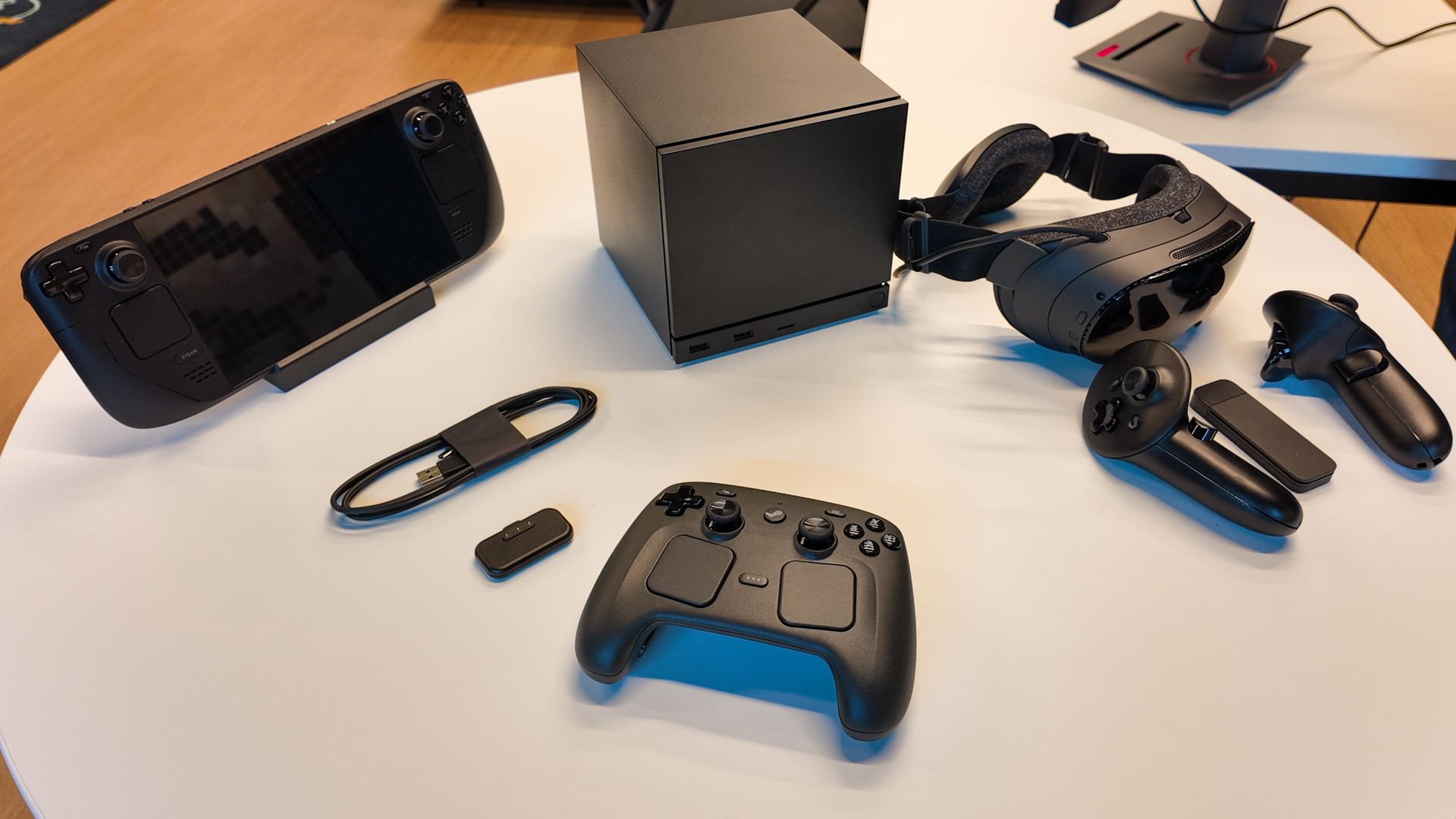
The Steam Frame, a compact all-in-one PC, and the Steam Controller, a refined iteration of Valve’s 2015 design, face less direct pressure from component shortages. But their success hinges on the broader ecosystem. Without clear pricing for the Steam Machine, potential buyers may hesitate to invest in accessories or peripherals.
What’s Next?
Valve has pledged to provide updates as soon as pricing and launch details are finalized. Until then, the company is navigating uncharted waters: balancing the need for transparency with the unpredictability of the hardware market. For those tracking the Steam Machine’s progress, the message is clear—patience is required, and the final product may look different than originally envisioned.
The Steam Controller, meanwhile, remains the most concrete piece of the puzzle. With no major component shortages affecting its design, Valve may prioritize its release as a standalone product to generate momentum for the larger ecosystem. But without a clear roadmap for the Steam Machine, the entire vision risks stalling before it even begins.
One thing is certain: the RAM and storage crunch isn’t going away anytime soon. For Valve, the question isn’t whether it will adapt—but how much the final products will reflect the compromises of today’s market.