Valve’s Steam Controller is set to debut next week, arriving as the company’s first major foray into gaming peripherals since its initial entry. While details remain under wraps, industry speculation suggests it may blend traditional and motion-based inputs in a way that challenges existing standards. However, its arrival also raises questions about Valve’s broader hardware ambitions, particularly regarding rumored projects like Steam Machine and Steam Frame.
The controller itself is designed with precision and comfort in mind, featuring dual analog sticks and programmable face buttons. But the timing of this release feels deliberate. Valve has been notably quiet on its other hardware initiatives, which could imply that the Steam Controller is part of a larger strategy rather than a standalone product. If that’s the case, IT teams managing gaming setups may need to adapt quickly to accommodate its unique features.
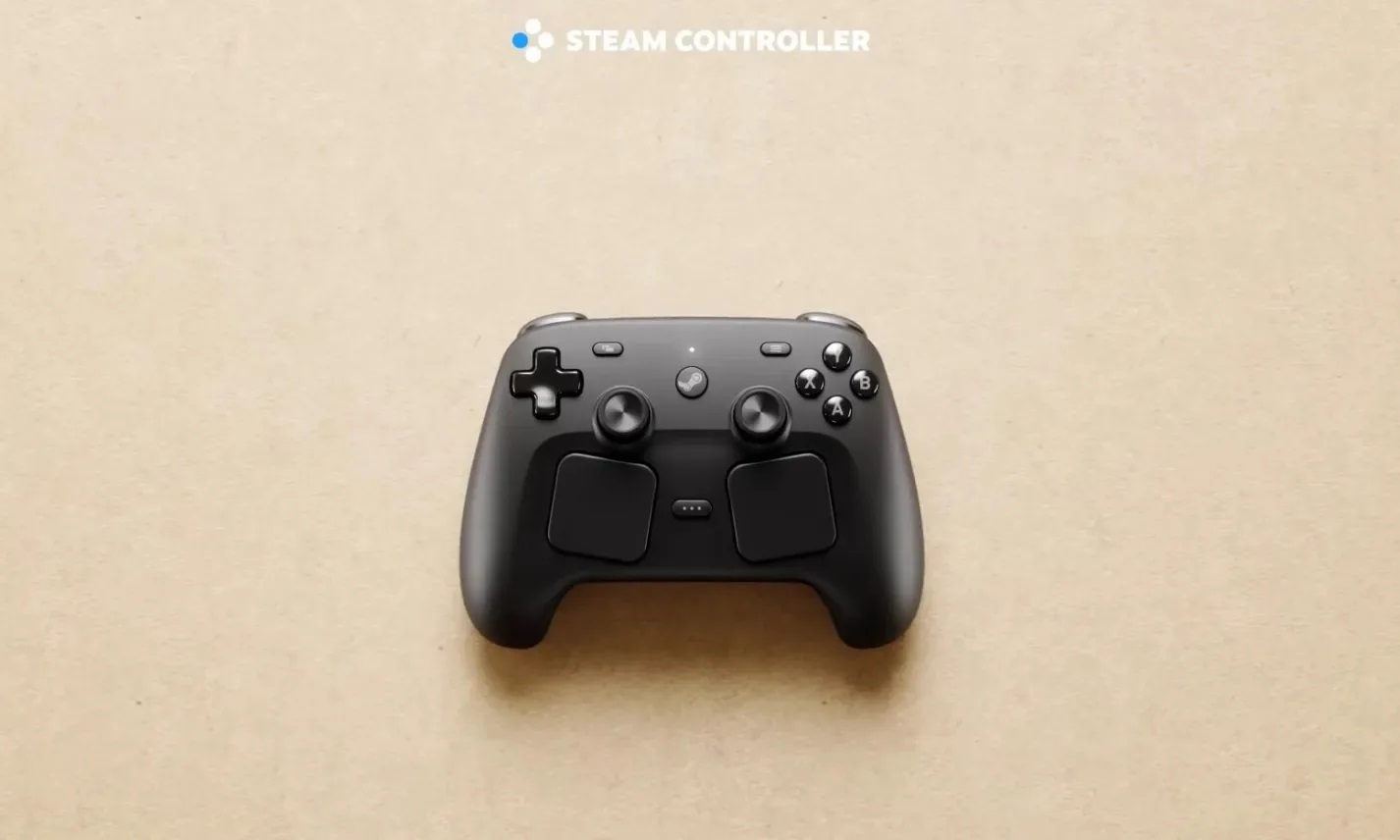
One key aspect of the Steam Controller is its compatibility with both Valve’s software ecosystem and third-party titles. Unlike traditional controllers, it appears to integrate seamlessly, though its performance in latency-sensitive games remains a critical factor. The absence of updates on other projects suggests that this controller might be a precursor to something bigger, leaving IT departments to wonder whether they should prepare for a shift in gaming peripherals or wait for further developments.
So what does this mean for the future of gaming input? If the Steam Controller delivers on its promise of adaptability, it could accelerate upgrade cycles for IT teams. But without clarity on Valve’s other initiatives, the real question is whether this is just one piece in a much larger puzzle—or if it’s a distraction from what’s yet to come.
The Steam Controller’s arrival next week won’t provide all the answers, but it could shift the conversation around input devices in gaming. For now, the focus remains on its design and performance, with the rest left to speculation—and patience.