Four years after the first tease of a successor to the original Steam Deck—a device that redefined portable gaming—the project is moving forward. Unlike its predecessor, which faced early growing pains, the Steam Deck 2 is said to be built on a more refined foundation. It won’t just be an incremental upgrade; it will rethink what’s possible in handheld performance while addressing the compatibility and usability issues that dogged earlier iterations.
What’s confirmed so far? The device exists beyond concept phase, with hardware specifications reportedly finalized. But the full picture remains shrouded in Valve’s typical secrecy. Developers, already watching this space closely, will need to decide whether to adapt early or wait for the inevitable compatibility wave that follows any new platform launch.
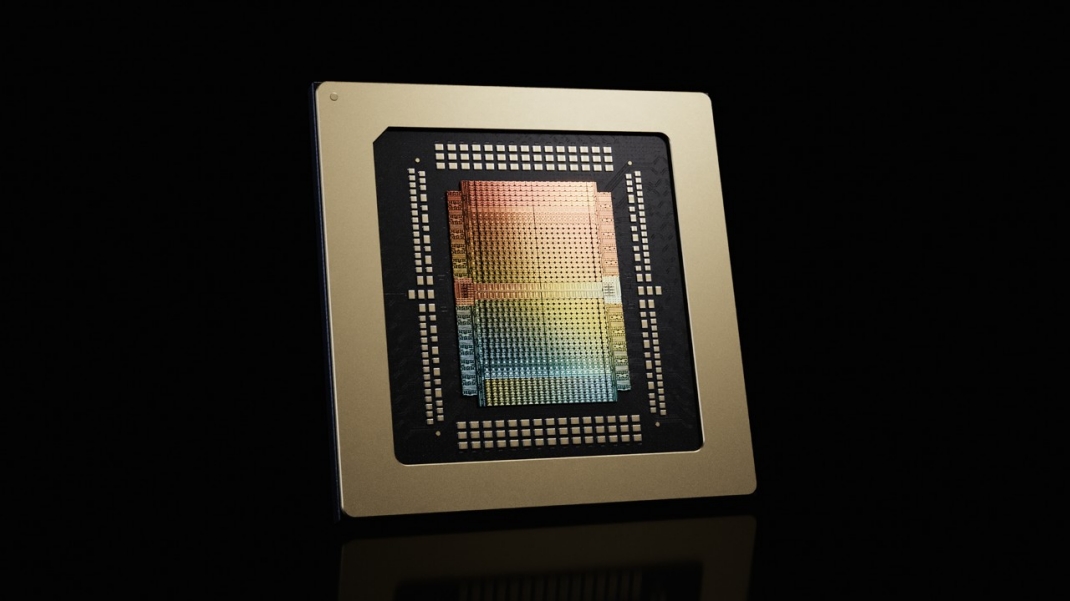
At its core, the Steam Deck 2 is expected to push boundaries in both hardware and software. The original device, while innovative, was held back by limitations in GPU power, thermal management, and app support. The next iteration aims to solve those problems head-on. Rumors suggest a significant leap in CPU and GPU performance—likely leveraging newer architectures that balance raw power with efficiency. Storage options may expand beyond the 64GB base model seen in the first generation, offering more flexibility for developers and users alike.
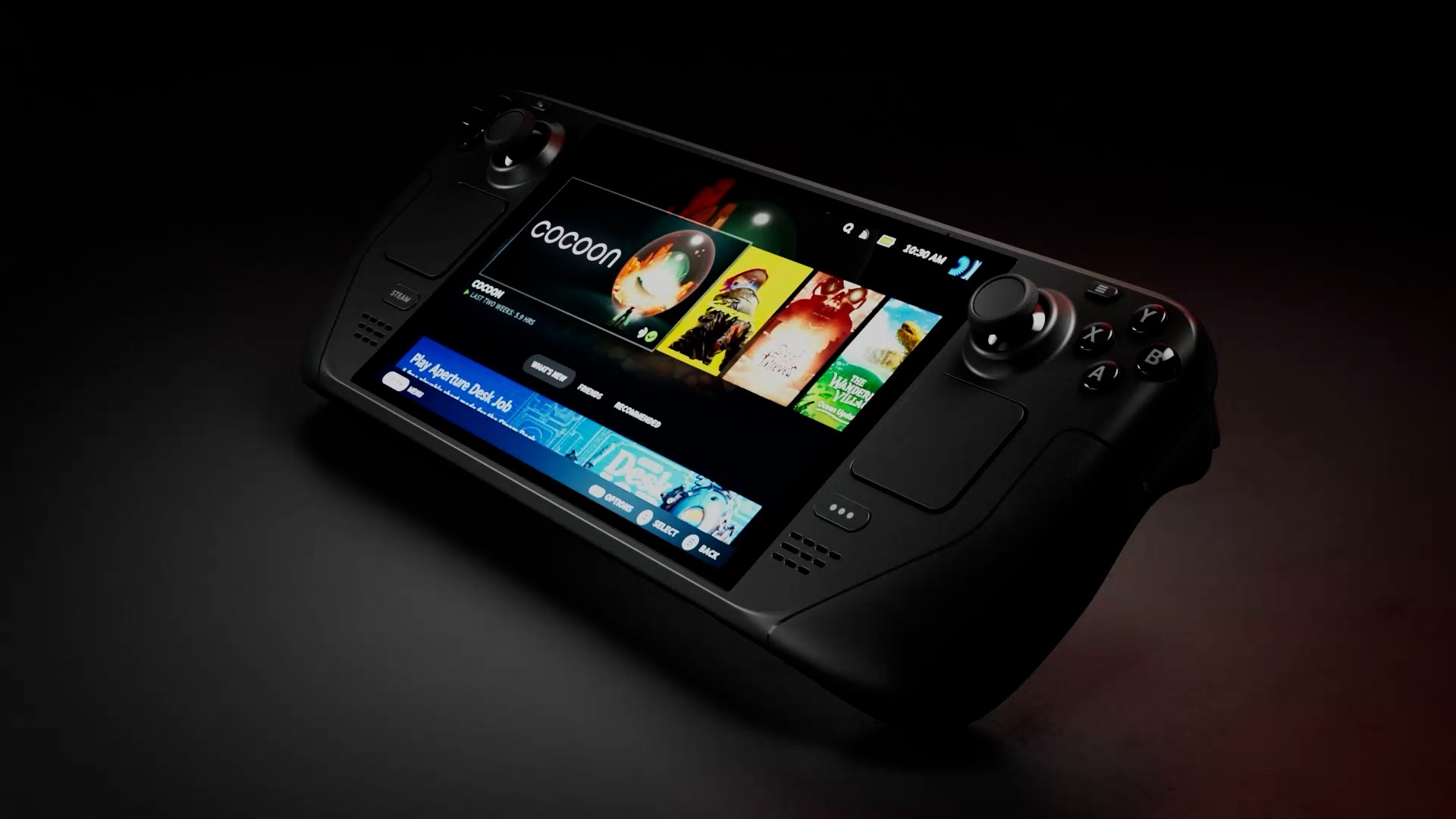
But performance alone won’t define its success. The real challenge lies in platform compatibility—a critical factor for adoption. Valve has long been aware that a handheld’s value hinges on how seamlessly it integrates with existing libraries of games. The original Steam Deck, despite its strengths, struggled with some titles running poorly or not at all due to technical constraints. The Steam Deck 2 will need to correct this narrative, ensuring that developers optimize for the platform early and users enjoy a smoother experience from day one.
For developers, timing is everything. Jumping on board too soon risks investing in optimization for a device still in development, while waiting too long could mean missing out on early adopter momentum. Valve’s history suggests that compatibility will improve over time, but the pressure to get it right from the start is palpable.
What remains unclear? The exact release window, final hardware specifications beyond rumors, and how aggressively Valve will push for third-party software support outside its own ecosystem. Will this be a device that appeals primarily to PC gamers, or will it broaden its appeal to casual users? Those answers are still coming.
One thing is certain: the Steam Deck 2 won’t arrive in a vacuum. It follows years of refinement in portable gaming, from Valve’s earlier experiments with the Steam Machine to the lessons learned from the original Deck. If it succeeds, it could set a new benchmark for what handheld devices can achieve—not just in power, but in versatility and user experience.
The journey from concept to reality is still unfolding, but the signs point to a device that could redefine portable gaming once again.