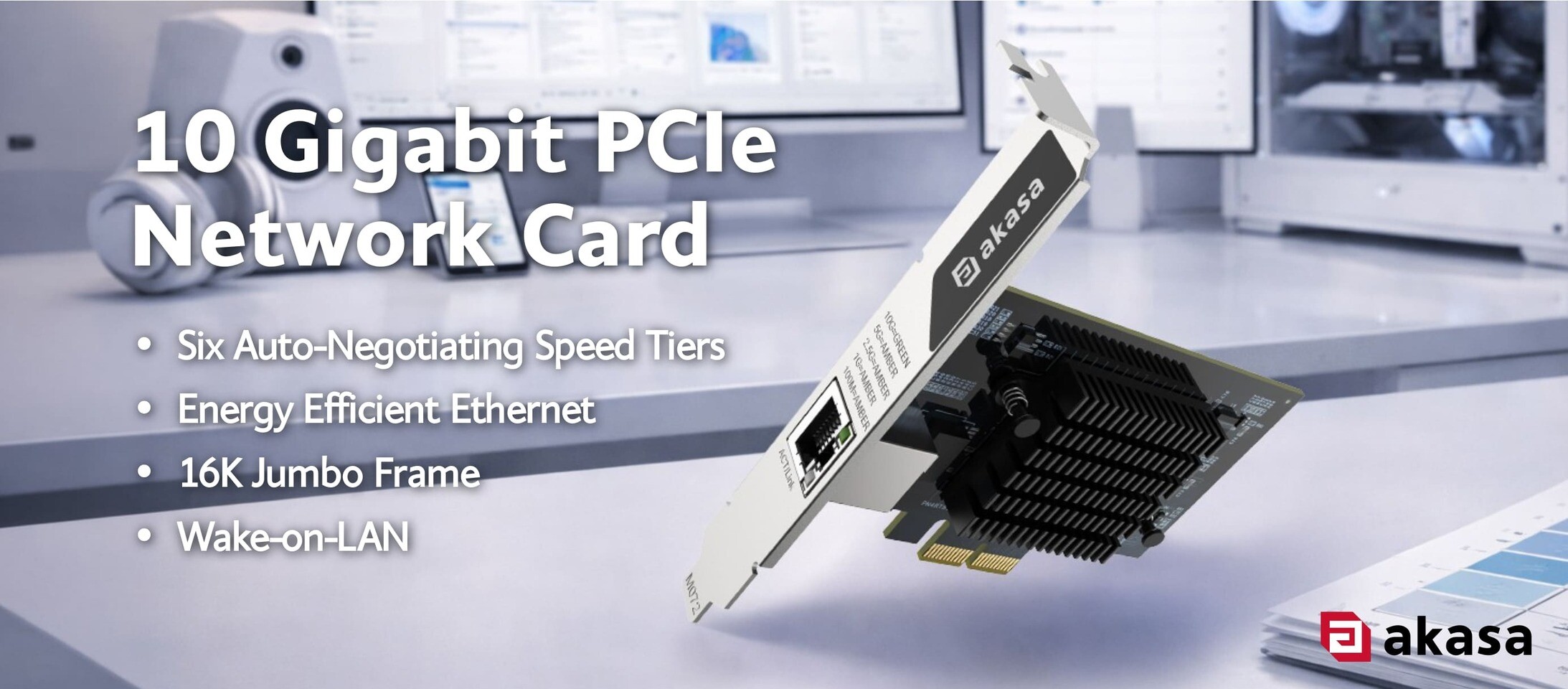
Starting in March 2026, users will have the option to ditch traditional cables in favor of two new USB-C adapters designed to handle high-speed connectivity without compromising on performance. The first, a compact HDMI 2.1 adapter, aims to deliver 8K resolution at 60 Hz, including support for VRR and G-Sync/FreeSync—features that typically require a dedicated graphics card. The second, an Ethernet adapter, promises data speeds of up to 10 Gbps, potentially replacing bulkier network cables with a single USB-C port.
Both adapters are positioned as versatile solutions for users who rely on USB-C devices but need the bandwidth of high-end connections. The HDMI 2.1 variant, codenamed CAC-2505, is particularly notable for its ability to handle 8K content at 60 Hz, a feat that could appeal to gamers and media enthusiasts alike. Meanwhile, the Ethernet adapter, the CAC-2531, targets professionals who demand high-speed data transfers, such as video editors or those working with large datasets.

- CAC-2505 (USB-C to HDMI 2.1)
- Resolution: Up to 8K at 60 Hz
- Features: VRR, G-Sync/FreeSync support
- Design: Compact and portable
- Compatibility: Works with any USB-C device supporting DP Alt Mode
- CAC-2531 (USB-C to 10 Gbps Ethernet)
- Speed: Up to 10 Gbps
- Design: Plug-and-play, compact
- Use case: High-speed data transfers, mobile workstations
The adapters also highlight sustainability, with packaging made from recycled materials and biodegradable components—a detail that may resonate with eco-conscious consumers. However, their performance in real-world scenarios remains a question, especially when compared to dedicated GPUs like the RX 7900 XTX.
One potential drawback is whether these adapters will support USB-C Power Delivery at full capacity. While AMD’s RX 7900 XTX has demonstrated strong compatibility with USB-C PD, it’s unclear if the same level of efficiency will extend to these accessories. Users may need to weigh the convenience of a single-cable solution against potential power limitations.
For now, the adapters represent an ambitious step toward simplifying connectivity without requiring major hardware upgrades. Their success will hinge on how well they balance performance, portability, and real-world usability—factors that are still untested but promise to redefine how users approach high-speed connections.