The U.S. government is advancing new restrictions that could limit the use of memory chips from Chinese suppliers in commercial products, marking another shift in the global semiconductor landscape.
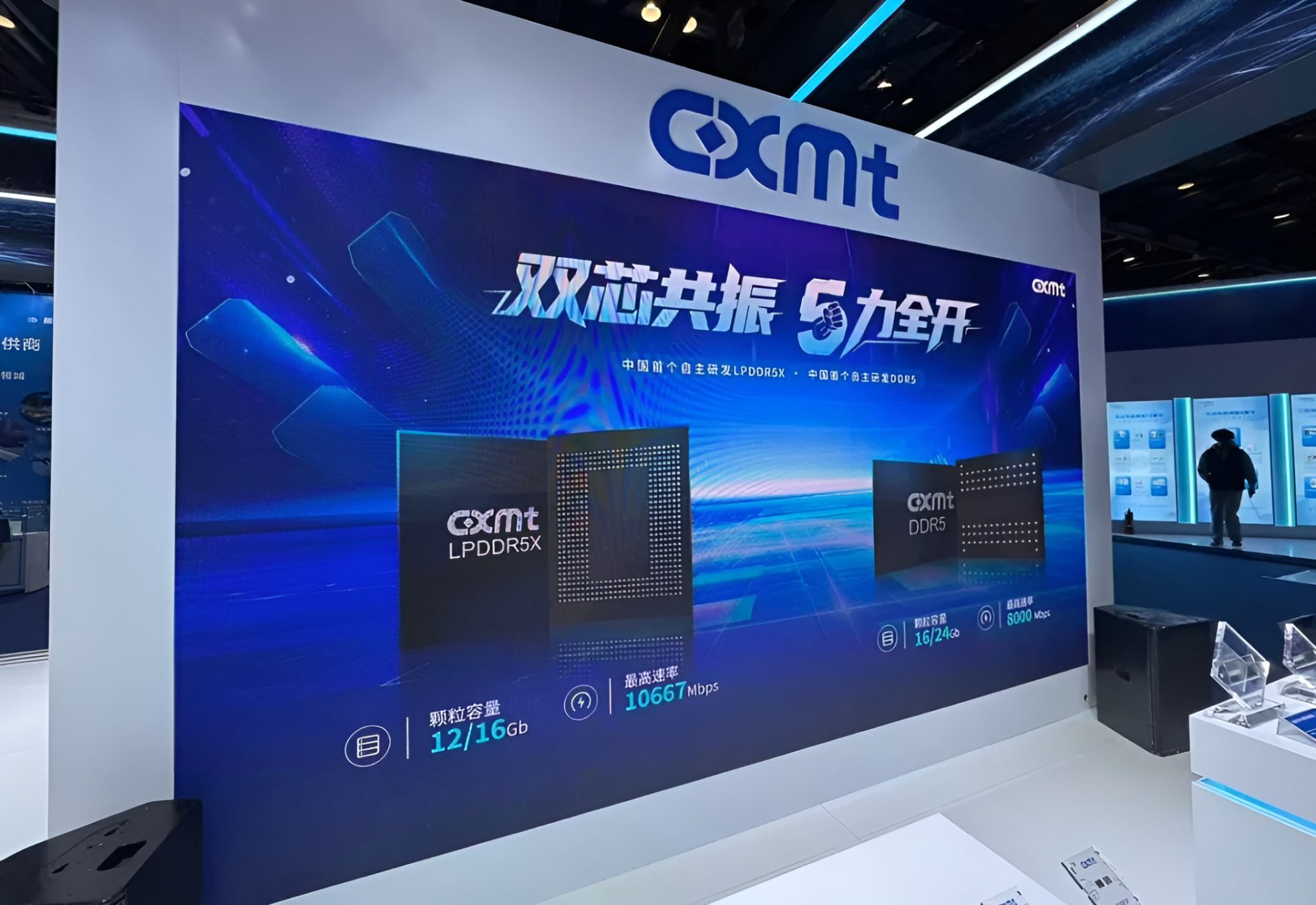
Under a proposed amendment to existing legislation, the Federal Acquisition Regulatory Council aims to restrict chips from CXMT, YMTC, and SMIC in products valued at $15,000 or less. This includes off-the-shelf items and commercial IT services, effectively targeting a broad range of consumer electronics.
The move comes as part of broader efforts to reduce reliance on Chinese semiconductor suppliers, with the new rules set to take effect unless significant opposition emerges during the public review period, which closes in April 2026. The proposal also mandates a thorough review of existing electronic products in government use, though purchases made before December 23, 2027, would be exempt from the new restrictions.
Key Details of the Proposed Ban
- Targets CXMT, YMTC, and SMIC chips in commercial products under $15,000.
- Applies to off-the-shelf items and IT services used by government agencies.
- Public review period runs until April 2026 before finalization.
- Exempts purchases made prior to December 23, 2027.
The restrictions could create operational challenges for manufacturers, particularly those supplying both consumer and government markets. While the immediate impact may be limited to high-value products, industry observers note that the long-term effects on supply chains and pricing could be significant. The move also follows recent reports of potential collaborations between major PC manufacturers and Chinese memory suppliers, which may now face greater scrutiny.
Why This Matters for Manufacturers
The proposed ban introduces a critical tradeoff: ensuring compliance with U.S. regulations while maintaining access to cost-effective memory solutions. For power users and businesses, this could mean higher operational costs if Chinese suppliers are excluded from the market. Meanwhile, the global memory shortage—already strained by enterprise demand—could worsen if alternative sources fail to scale quickly enough.
Looking ahead, the semiconductor industry will need to adapt to these changes, with a focus on diversifying supply chains and mitigating potential disruptions. The final outcome of this proposal will depend on the balance between regulatory pressure and market dynamics, but one thing is clear: the landscape for memory chip sourcing is shifting rapidly.