The race for TSMC’s 2nm process isn’t just about who gets the first production slots—it’s about whether the foundry can avoid the pitfalls that have tripped up even the most advanced nodes before. Historically, TSMC has mastered the art of incremental scaling, but 2nm represents a paradigm shift. The node isn’t just smaller than its predecessors; it’s fundamentally different in how it forces chipmakers to rethink design, packaging, and even business strategy.
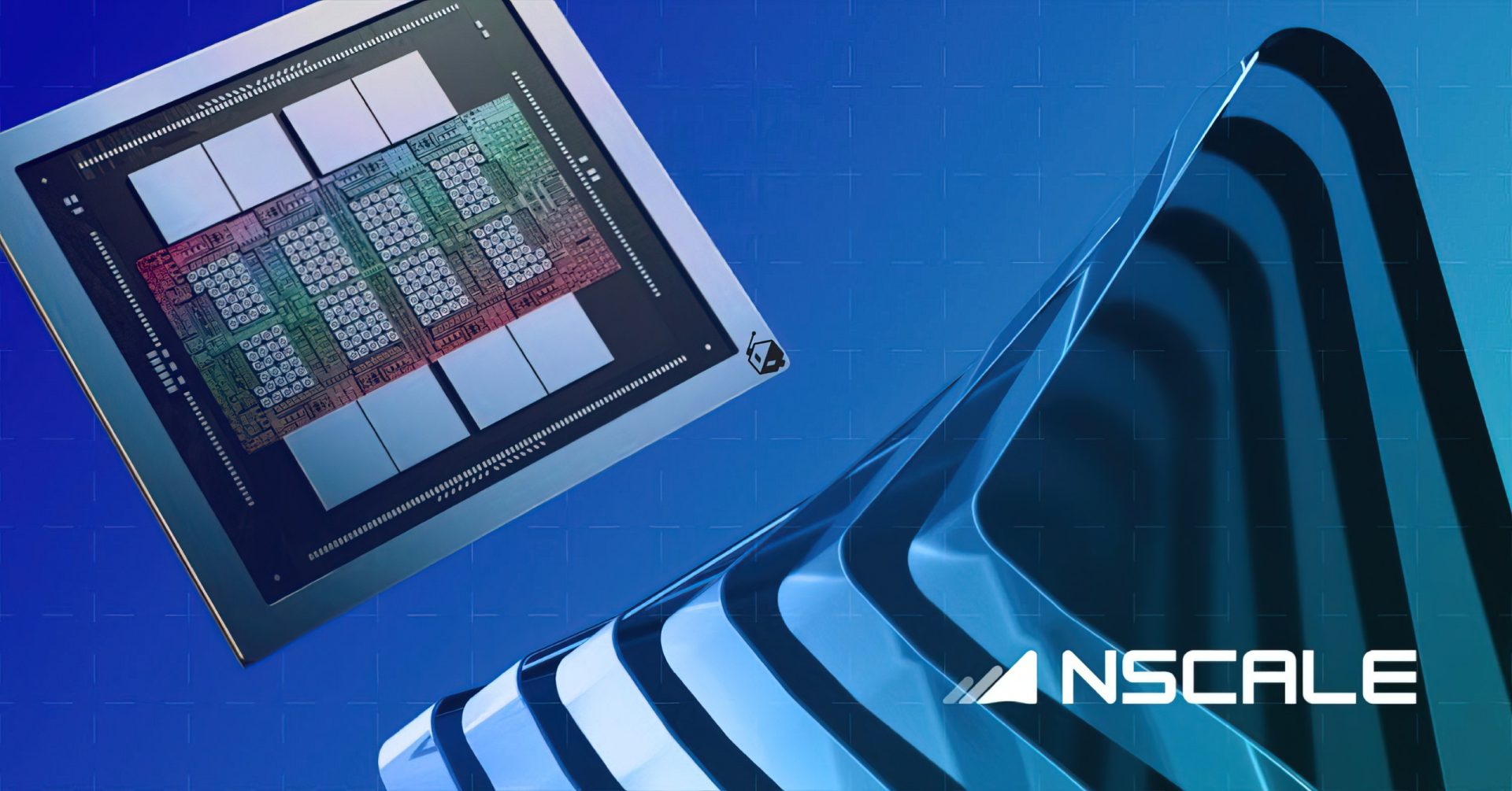
For mobile chipmakers like Apple and Qualcomm, the transition to 2nm is a necessity. The 3nm and 4nm nodes have already pushed the limits of power efficiency, and mobile SoCs demand every possible watt saved to extend battery life while cramming in more cores. But the real test lies in AI. Unlike traditional CPUs or GPUs, AI accelerators require massive die sizes—some exceeding 800mm²—to accommodate thousands of compute tiles. These behemoths push TSMC’s manufacturing limits in ways no prior node has. A single defect in a chip that large could render it useless, and at scale, even a 1% yield loss translates to hundreds of millions in wasted revenue.
Early benchmarks suggest 2nm could deliver a 30% performance boost or 50% power efficiency over 3nm, but those gains assume near-perfect yields. In reality, TSMC’s internal projections show that yield rates for AI-focused designs may not reach maturity until 2027 or later, a delay that could force NVIDIA and AMD to reconsider their roadmaps. The alternative? Designing around known yield limitations, which would mean sacrificing the very performance gains that make 2nm worth pursuing.
The Mobile vs. AI Divide
The tension between mobile and AI isn’t just about capacity—it’s about priorities. TSMC has historically favored mobile customers in early production phases, giving them first dibs on new nodes to secure long-term contracts. But with AI spending projected to surpass $1 trillion by 2030, the economics are shifting. Cloud providers and AI startups are willing to pay premiums for early access, creating a bidding war that could distort TSMC’s production schedules.

Qualcomm, for instance, is betting heavily on 2nm for its next-generation Snapdragon chips, but the foundry may need to allocate up to 40% of its initial 2nm capacity to NVIDIA alone for AI-focused designs. This forces a choice: Does TSMC prioritize the stability of its mobile ecosystem or the explosive growth of AI? The answer will determine which industry gets the performance boosts they need—and which gets left waiting.
Risks Beyond the Fab
Even if TSMC cracks the yield challenge, other risks loom. The 2nm node requires new materials, lithography techniques, and even retooled packaging solutions that don’t yet exist at scale. For example, TSMC’s CoWoS (Chip-on-Wafer-on-Substrate) packaging—critical for AI chips—must evolve to handle the thermal and electrical demands of 2nm designs. A single miscalculation could lead to reliability issues that take years to fix.
Then there’s the geopolitical factor. TSMC’s dominance in advanced nodes has made it a target for governments and rivals alike. The U.S. CHIPS Act and EU subsidies are pushing European and American foundries to accelerate their own 2nm-like processes, though none are expected to compete before 2028 at the earliest. Until then, TSMC remains the sole supplier for the most advanced chips, giving it unprecedented leverage—but also making it a single point of failure.
The Bottom Line
TSMC’s 2nm process is the most consequential in its history, not because of what it promises, but because of what could go wrong. The foundry’s ability to deliver stable, high-yield production for both AI and mobile will define the next decade of computing. For now, the signs are mixed: AI demand is insatiable, mobile chipmakers are locked in, and TSMC’s capital expenditures are rising faster than ever. But without breakthroughs in yield management and packaging, the 2nm node could become a cautionary tale—proof that even the most advanced manufacturing can’t outpace the laws of physics.
The stakes couldn’t be higher. The companies that secure reliable access to 2nm will shape the future of AI, mobile, and high-performance computing. And for TSMC, the question isn’t whether it can meet demand—it’s whether it can do so without breaking under the weight of its own success.