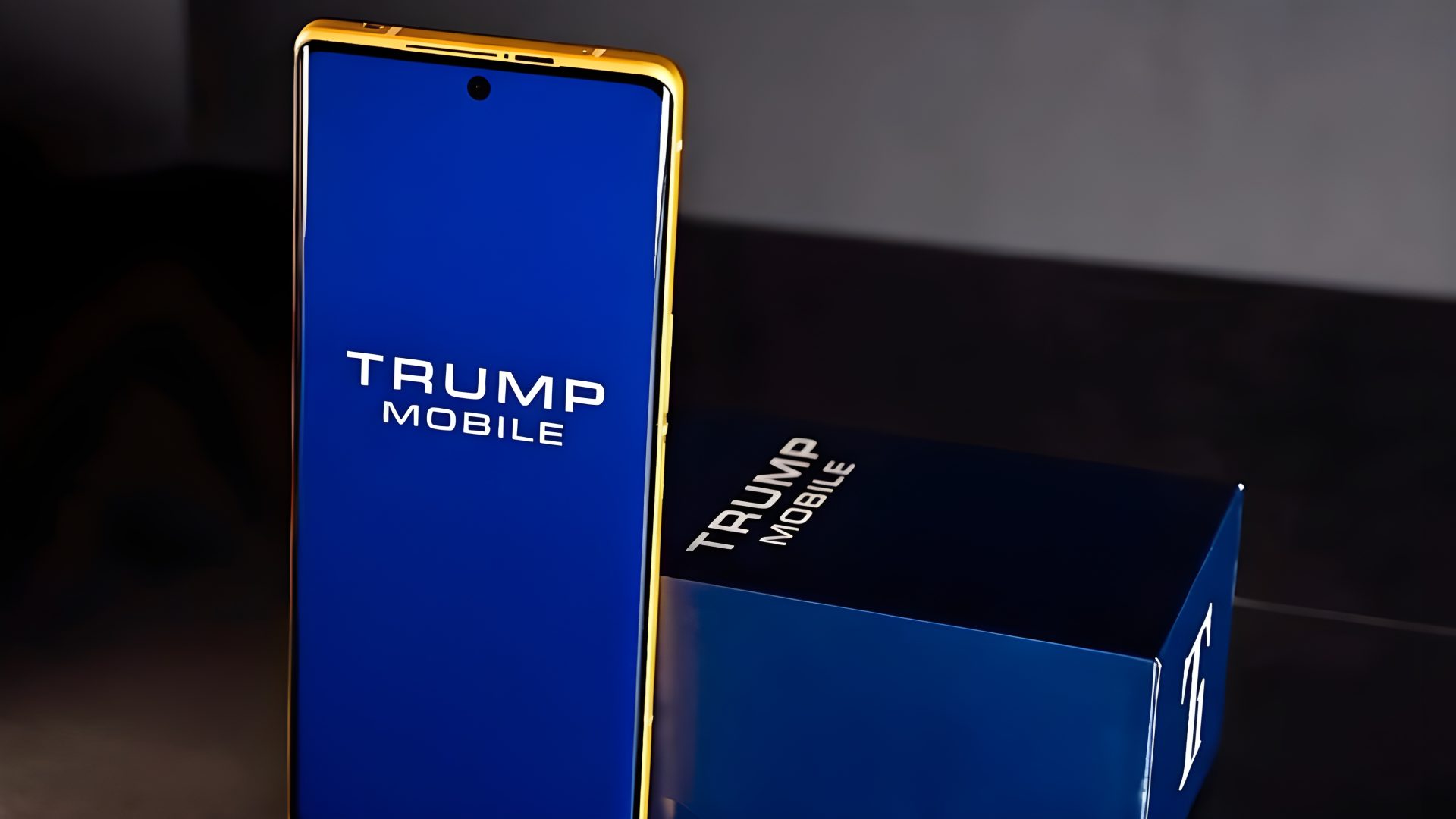
The Trump Mobile T1 phone is a study in contradiction: it looks like a flagship device on the outside but may be built around borrowed or repurposed internals. After researchers disassembled a unit and replaced its mainboard with one from an HTC U24 Pro, the phone powered up displaying the HTC logo—a clear sign that the T1’s original hardware was not what it claimed to be.
This revelation raises questions about the phone’s performance, reliability, and whether it can deliver on promises of premium features. While the T1’s design and branding suggest a high-end experience, its true capabilities hinge on components that remain unconfirmed. For consumers, the tradeoff is stark: a device that looks like a powerhouse but may not perform like one.
What’s Inside?
The HTC U24 Pro, the donor board in this experiment, is known for its mid-range specifications. It typically features a 1.7 GHz quad-core processor, 3 GB of RAM, and up to 32 GB of internal storage—hardly the kind of hardware one would expect from a phone marketed as premium. If the T1 indeed relies on similar components, its performance would be far below what gamers or power users demand.
- Display: 5.0-inch HD (720x1280) IPS LCD
- Processor: Likely mid-range quad-core (exact model unclear)
- RAM: Up to 3 GB (varies by model)
- Storage: Up to 32 GB (expandable via microSD)
- Cameras: 8 MP rear, 5 MP front
- Battery: 2000 mAh (non-removable)
The T1’s camera setup, while functional, is unremarkable by current standards. Its 8 MP rear and 5 MP front cameras lack advanced features like optical image stabilization or high-resolution modes, which are common in mid-range phones today. The 2000 mAh battery suggests limited endurance, a critical factor for gamers who rely on sustained performance.
Gaming and Efficiency
The T1’s potential as a gaming device is questionable at best. Mid-range processors struggle with modern games, even in low settings, leading to frame rate drops and overheating. Without details on thermal management or cooling solutions, it’s unclear whether the phone can handle extended gaming sessions without performance degradation.
Efficiency is another concern. Phones built around borrowed hardware often prioritize cost over longevity, meaning software updates may be delayed or nonexistent. Gamers, in particular, rely on timely patches and optimizations to stay competitive, and a device with uncertain hardware support could leave them at a disadvantage.
What’s Next?
The T1’s roadmap remains unclear. If it relies on mid-range components, its future may be limited to basic tasks rather than high-performance demands. Without official confirmation of its internals or long-term software commitments, consumers should approach this device with caution.
For now, the T1 serves as a reminder that hardware can be misleading. A phone’s design and branding are just one part of the equation; performance, reliability, and efficiency determine whether it’s worth owning. Gamers, in particular, will want to wait for concrete proof before investing in what may turn out to be a phoneshell with no substance.