Workstation graphics have long struggled with a trade-off: raw power or efficient heat management. Intel’s Arc Pro B70 32G, however, appears to break that cycle. The card’s 32GB of VRAM and improved thermal design suggest a shift toward more sustainable high-end performance—but whether it delivers on the promise remains to be seen.
On paper, the B70 builds on Intel’s Arc Pro A-series lineup with a focus on professional workloads, from rendering to AI acceleration. Its 128MB eDRAM cache and 32GB GDDR6 memory aim to address the bottleneck many users face when pushing large datasets through the pipeline. Yet, the real question is how this translates into real-world performance, especially under sustained loads where thermals can become a limiting factor.
Key Specifications
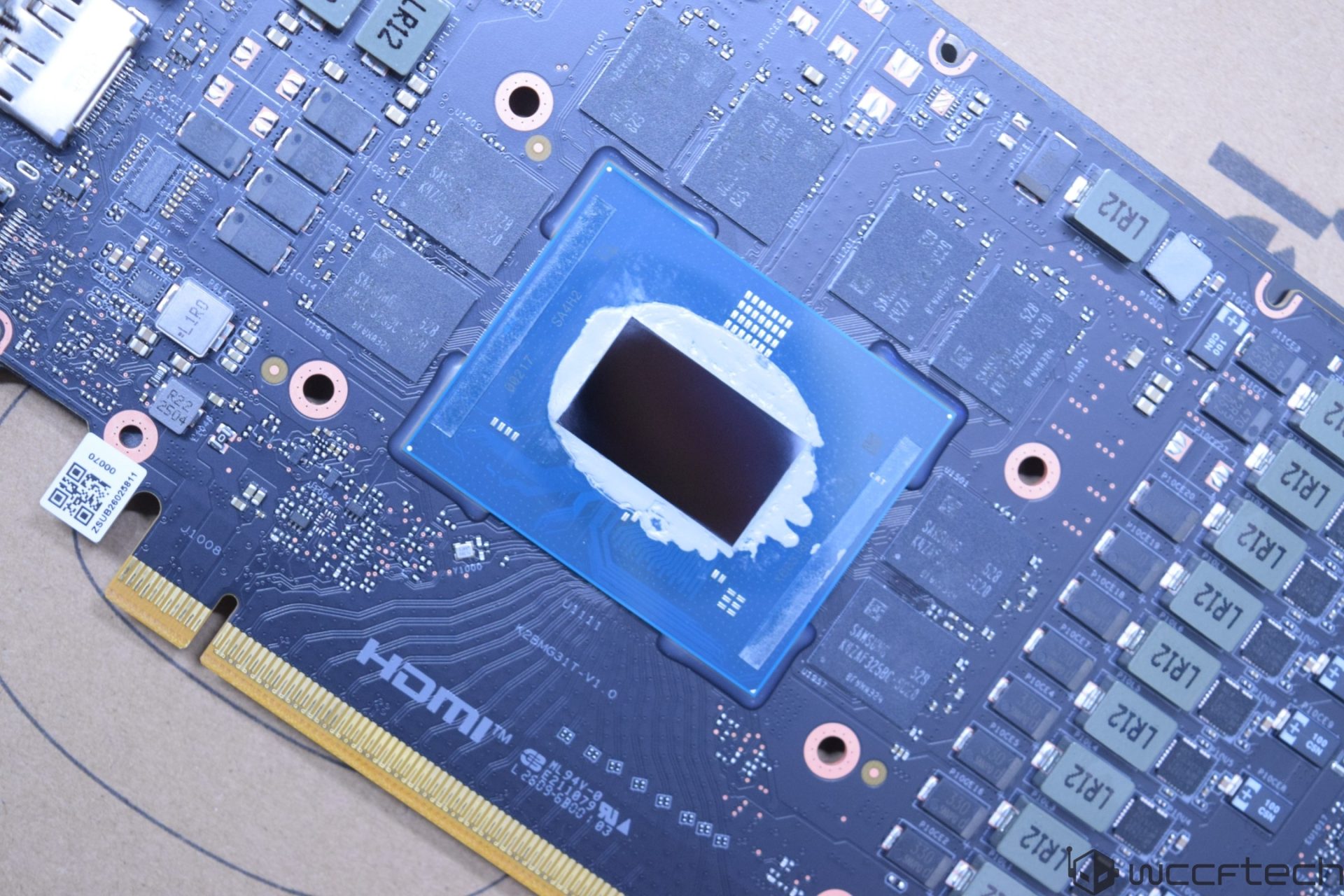
- Chip: Intel Arc Pro B70 (Battlemage-G10)
- VRAM: 32GB GDDR6, 128MB eDRAM cache
- Memory Bus: 4096-bit
- Display Outputs: 4x DisplayPort 1.4a (120Hz), 1x HDMI 2.1
- Connectivity: PCIe 5.0, Thunderbolt 4 support
- TDP: 300W (estimated)
The B70’s memory configuration is notable for its eDRAM cache, a feature that Intel has refined in previous generations to reduce latency and improve bandwidth efficiency. However, the lack of official confirmation on clock speeds or exact power draw leaves some details speculative—something that could affect real-world performance.
Performance and Thermals: A Workstation Game-Changer?
The B70’s potential lies in its ability to handle demanding workloads without thermal throttling. Previous Arc Pro models, while powerful, often struggled with heat under prolonged use, forcing users to balance performance with cooling solutions. If the B70 addresses this—whether through a more efficient die or improved heatsink design—it could redefine what workstation graphics should look like.
For power users, this means less downtime and more stable rendering sessions. But whether Intel has finally cracked the thermal efficiency puzzle remains an open question. Early impressions suggest improvements, but sustained benchmarks will be necessary to confirm if this is a genuine leap forward or just another incremental step.
The B70 in Context
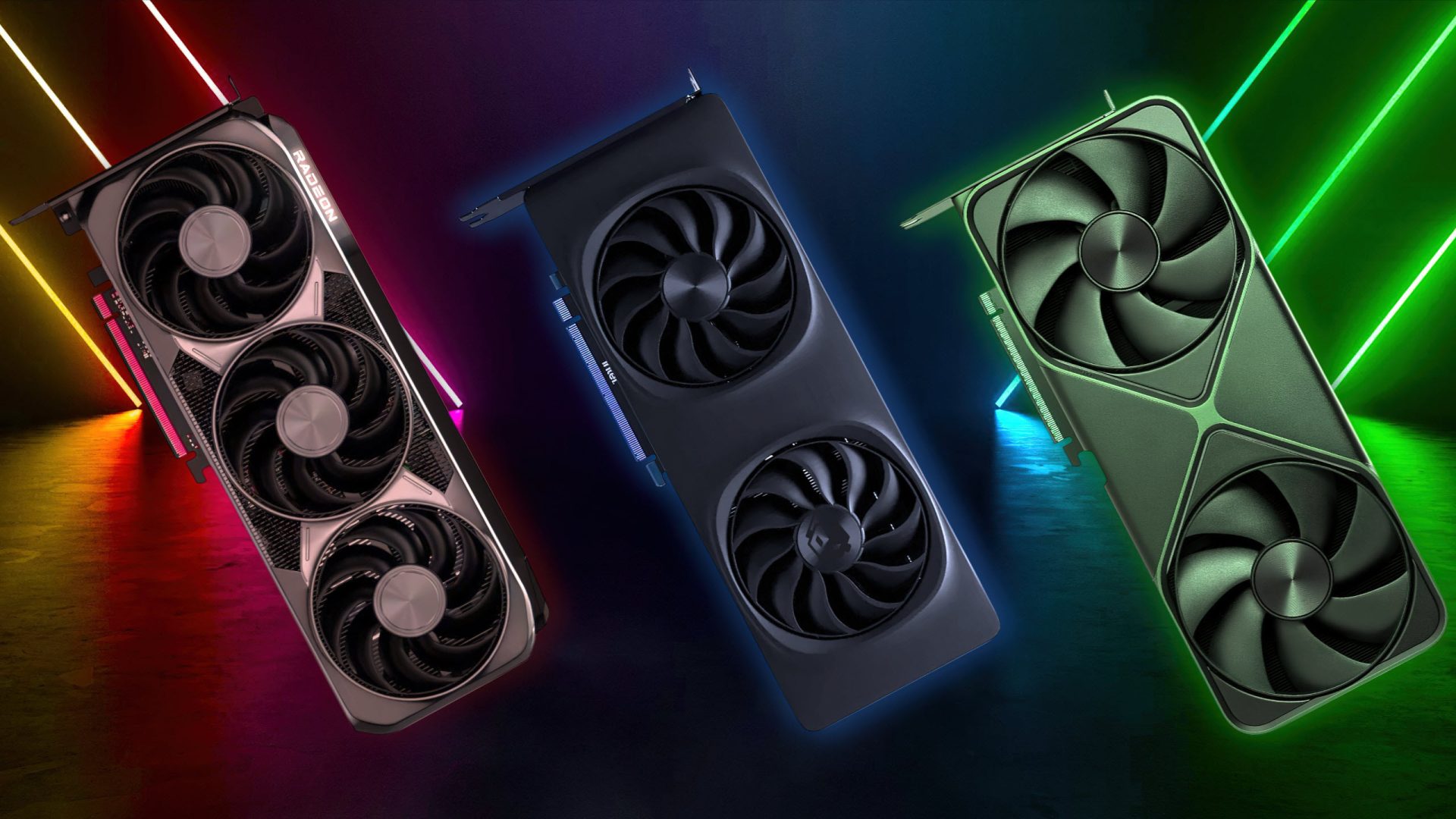
Positioned against NVIDIA’s RTX Ada and AMD’s Radeon Pro series, the B70 doesn’t just compete on specs but on practicality. Its 32GB VRAM is a strong selling point for AI workloads or large-scale 3D rendering, where memory bandwidth can make or break a project. However, without official power draw figures, it’s hard to gauge whether this card will fit seamlessly into existing workstations or require significant cooling investments.
If the B70 delivers on its thermal promises, it could become the upgrade many have been waiting for—a graphics card that doesn’t just push performance but does so without compromising stability. For now, though, power users will need to wait for more concrete data before deciding if this is the Battlemage they’ve been hoping for.