A laptop’s last free USB port is often the first to go when a project demands more than a single display or external drive. The latest generation of Thunderbolt 5 docking stations promises to reverse that trade-off, offering bandwidth and power delivery that finally match the demands of high-resolution workflows.
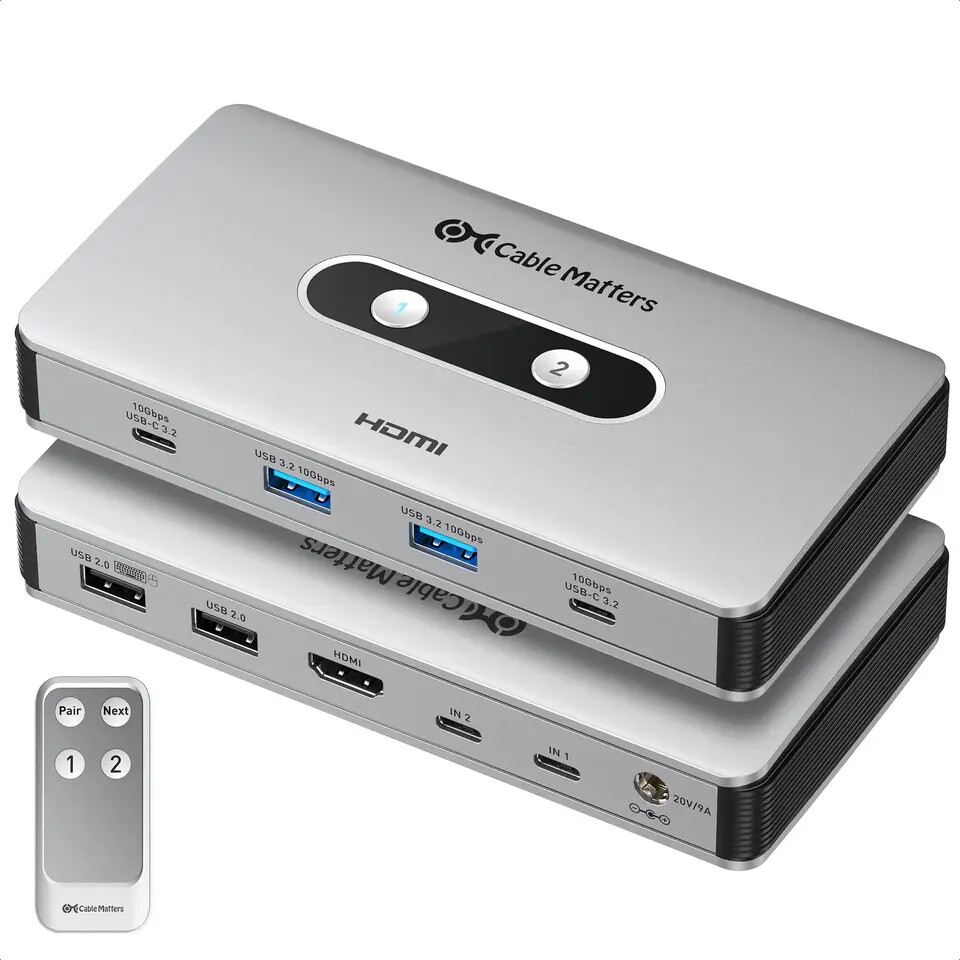
Three new models from a global consumer-electronics brand extend the Revodok series into Thunderbolt 5 territory, each designed to eliminate traditional bottlenecks. The flagship 17-in-1 dock delivers 240 W total power—enough to charge a laptop and external displays simultaneously—while its M.2 SSD expansion slot allows direct editing of 4K assets without disk-speed lag. A smaller 10-in-1 hub trims the feature set for cost efficiency, retaining dual Thunderbolt 5 ports and 140 W charging. A third model is tailored specifically for the Mac mini M4, matching its chassis profile while adding native multi-display support on macOS.

- Bandwidth: Up to 120 Gbps (flagship), sufficient for single 8K@60 Hz or dual 6K@60 Hz outputs.
- Power delivery: 240 W total; 140 W and 100 W variants support simultaneous laptop and display charging.
- Display support: Native three-independent-display output on Windows, dual extended displays on macOS without third-party drivers.
- Storage expansion: Built-in M.2 SSD slot for direct 4K asset editing.
- Connectivity: Gigabit Ethernet, USB-A ports, SD/microSD 4.0 card readers (flagship only).
The lineup addresses a growing industry shift: as laptops shed physical ports to meet weight and thickness targets, docks must compensate with higher bandwidth, stable power delivery, and engineering-grade cooling. The hybrid aluminium heatsink and intelligent fan control in the Mac mini model, for example, maintain airflow while preventing thermal throttling—a common issue in compact enclosures.
Pricing starts at €299.99/£249.99 for the 10-in-1 hub; the 17-in-1 flagship is priced at €459.99/£419.99. Pre-orders open on March 24, with the Mac mini dock following in late April or early May.
For developers and creatives, the new docks confirm that Thunderbolt 5 can now deliver on its promise of seamless multi-device workflows—provided the underlying hardware (laptop or desktop) supports the full bandwidth. What remains unconfirmed is whether third-party display drivers will still be required for Windows users beyond three independent displays.