Intel’s latest announcement signals a notable change in how the company approaches overclocking. Previously restricted to high-end CPUs, unlocked multipliers are now being extended to additional models, though the full scope and timing remain unclear.
The shift suggests Intel is aiming to democratize performance tuning, potentially making it more accessible for enthusiasts and power users without requiring top-tier hardware. However, specifics—such as which exact models will be affected or when they’ll launch—are still under wraps, leaving room for cautious optimism.
For now, the focus remains on the core premise: unlocking multipliers in more CPUs could mean better performance-per-watt efficiency and cooler operation, particularly in scenarios where sustained clock speeds matter. But whether this translates to real-world gains or just theoretical potential depends heavily on how Intel implements these changes.
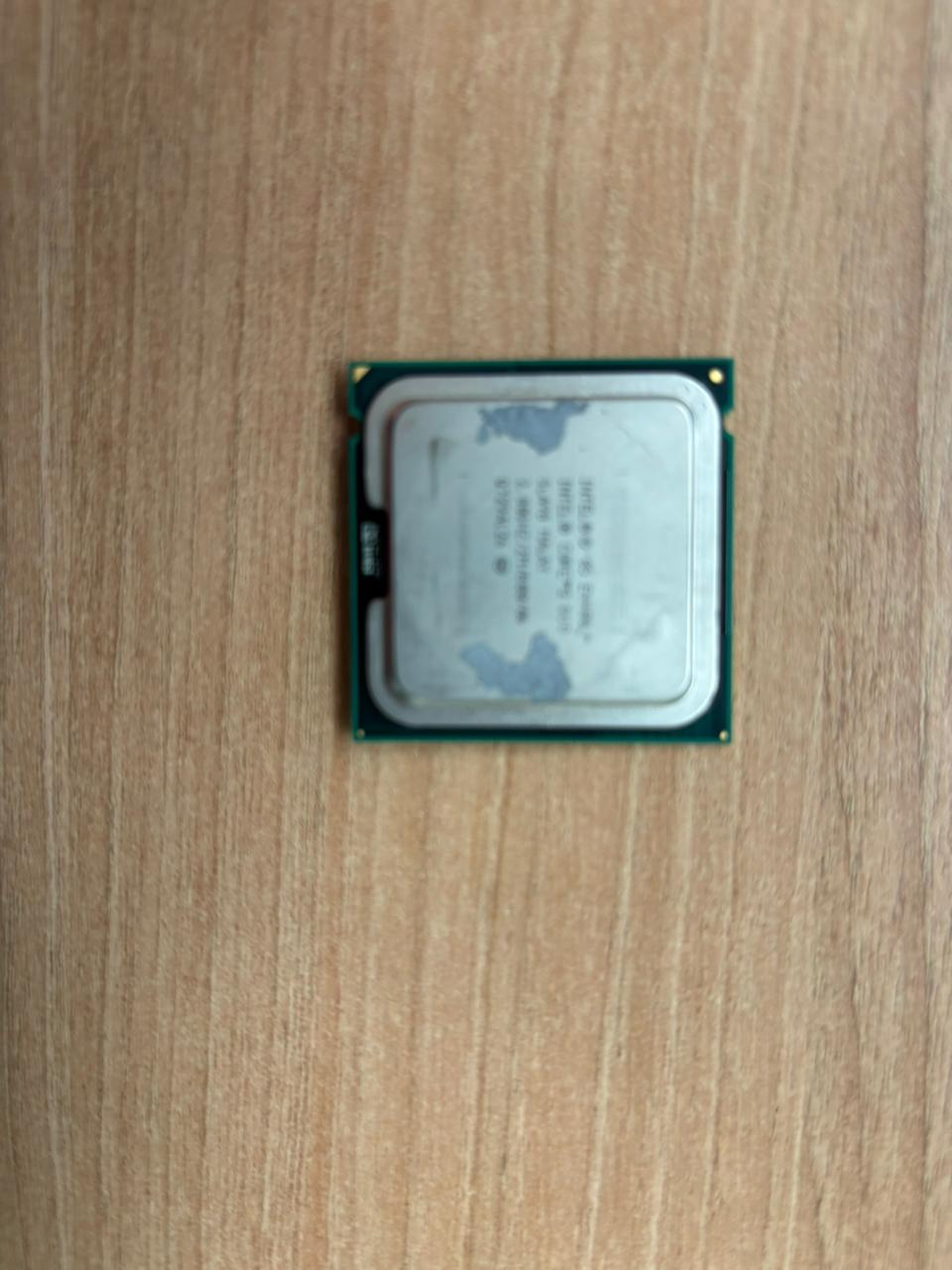
A key consideration is thermal behavior. Unlocked multipliers often push processors harder, which can lead to increased heat output if not managed properly. Intel’s past generations have shown that even unlocked chips can struggle under aggressive overclocking without robust cooling solutions, so this remains a critical factor for buyers looking to maximize performance.
Looking ahead, the move aligns with broader industry trends toward more flexible hardware configurations. If executed well, it could reduce the need for high-end SKUs in systems where overclocking is desired but not necessarily required. However, whether Intel will also address other bottlenecks—such as memory or PCIe bandwidth—remains an open question.
For consumers, this announcement raises more questions than answers. Will unlocked multipliers appear in mid-range CPUs? How will pricing adjust if these features trickle down? And what does this mean for the long-term roadmap of Intel’s CPU lineup? The answers are still coming, but one thing is clear: Intel is testing the waters with a different approach to performance tuning.