Western MMOs have long been a graveyard for budgets. The days of dropping $100 million upfront on an unproven fantasy world are over, according to two industry veterans who’ve seen firsthand how publishers shy away from the genre. But there’s a working alternative—one that doesn’t require a Hail Mary launch. It’s called the Warframe* model.
Jack Emmert, returning CEO of Cryptic Studios, and Greg Street, a designer with World of Warcraft and League of Legends in their résumés, both point to the same case study: a game that launched in 2013 as a modest action shooter with loot mechanics, then spent a decade adding content, systems, and platforms—including a full Android release slated for February 18—while keeping costs manageable. The secret? Treating an MMO not as a monolithic product but as a series of $20 million bets, each funding incremental expansion.
The Problem: Why Publishers Won’t Touch MMOs Anymore
For Emmert, the math is simple: Western publishers have burned too many times on MMOs that failed to recoup development costs. The genre’s reputation for slow returns and high risk means even ambitious projects struggle to secure funding. ‘You’d be hard-pressed to walk into a publisher today and pitch a traditional MMO,’ he says. ‘The track record isn’t great.’
Street echoes this, citing his own failed attempts to launch new MMOs under NetEase’s backing—projects that were shut down after years of work. Both men now believe the only viable path forward is to avoid the ‘all-in’ approach entirely. Instead of betting everything on a fully realized world at launch, developers should start with a tight, playable core and let the community shape its evolution.
How Warframe Did It—and Why It Matters
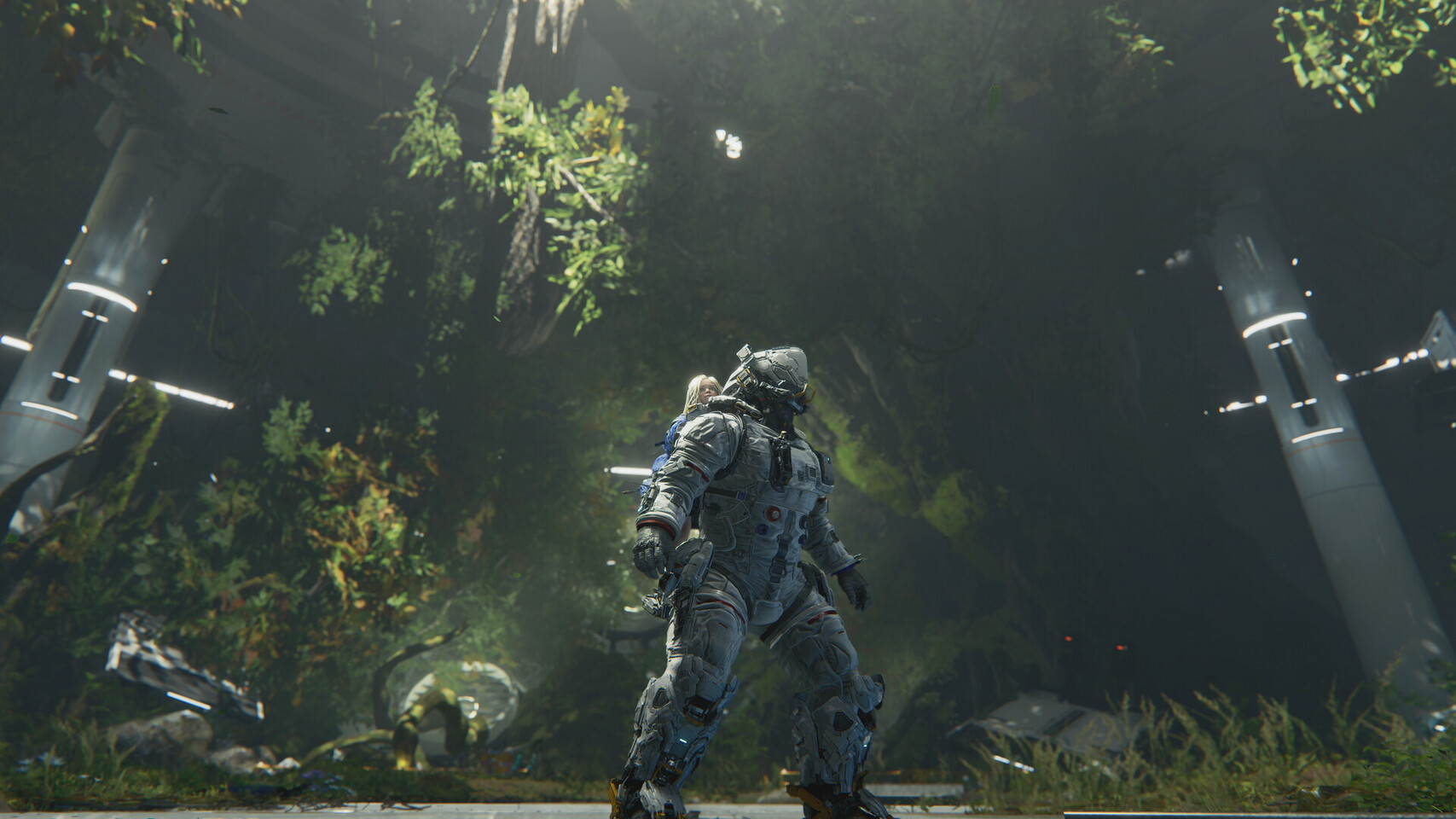
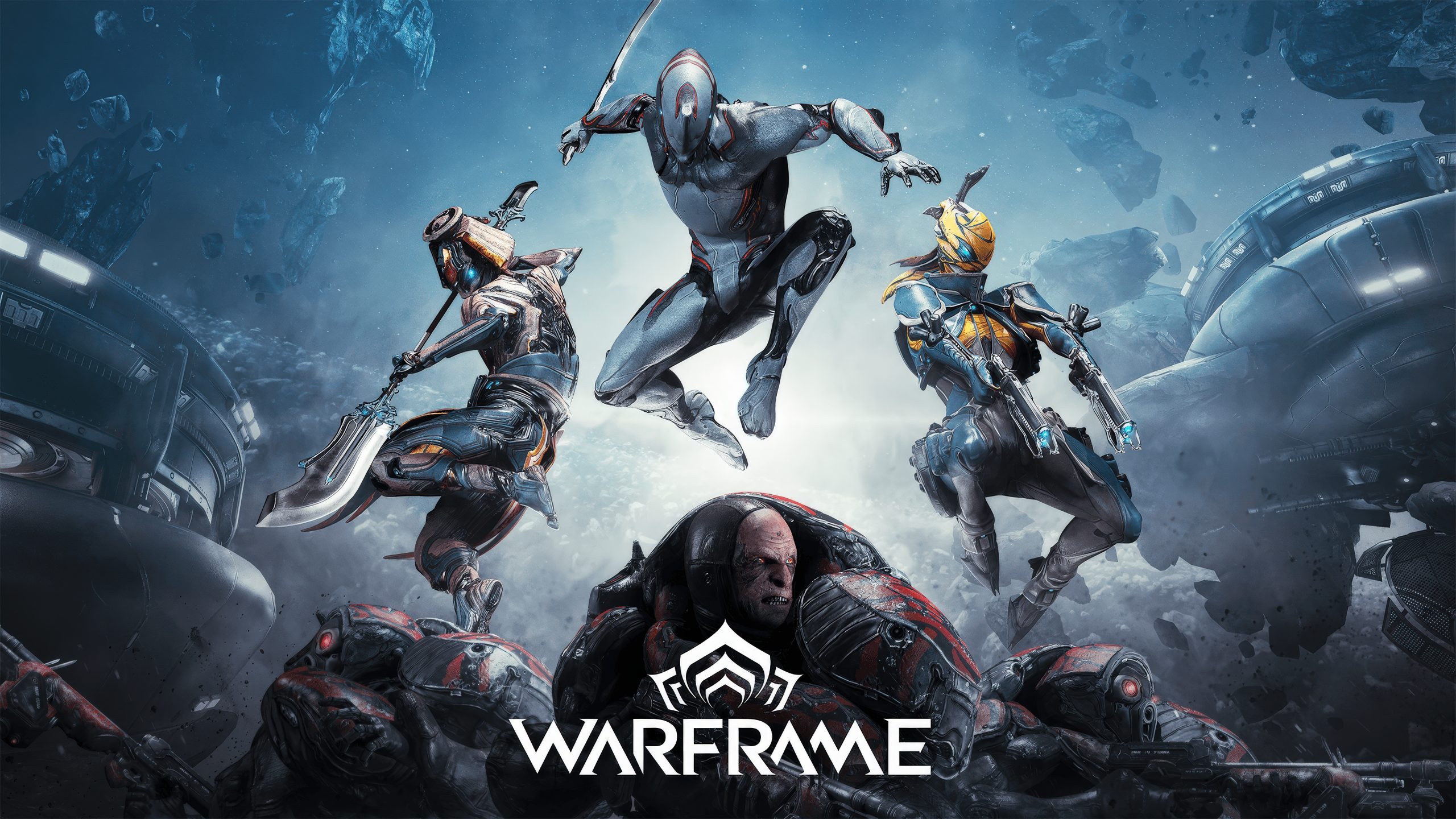
Warframe began as a stripped-down, PC-only shooter with basic loot and progression. Digital Extremes, its developer, avoided the trap of overpromising. Instead, they released updates that added depth: endgame content, platform expansions, and even narrative arcs—all while keeping costs low by focusing on live-service iterations rather than a single massive launch.
The result? A game that now spans PC, consoles, and soon mobile, with a player base that grew organically alongside its features. ‘It’s not an MMO by traditional definitions,’ Emmert acknowledges, ‘but it’s the closest thing we’ve seen to that model working in the West.’ The key, he argues, is to treat the game as a long-term investment rather than a one-time product.
This approach isn’t just theoretical. Subnautica, too, started as a modest underwater survival game before expanding into a full-fledged RPG with DLC and updates. The lesson? A $20 million incremental budget over five years can yield a far more sustainable (and profitable) outcome than a $100 million gamble that may never find an audience.
A Call for Patience—and a Warning
To MMO fans frustrated by the genre’s stagnation, Emmert’s advice is clear: ‘Be patient.’ The games they love may not arrive fully formed. Instead, they’ll emerge through steady, community-driven growth—if developers dare to take the risk.
For Street, the message is even more direct: The industry’s current structure makes it nearly impossible to launch a traditional MMO without external funding. Without it, Western studios are left with two choices: bootstrap a small, iterative game or accept that the genre’s future lies elsewhere. The Warframe* model isn’t just a blueprint; it’s a survival strategy.
The question now is whether any studio will follow it.