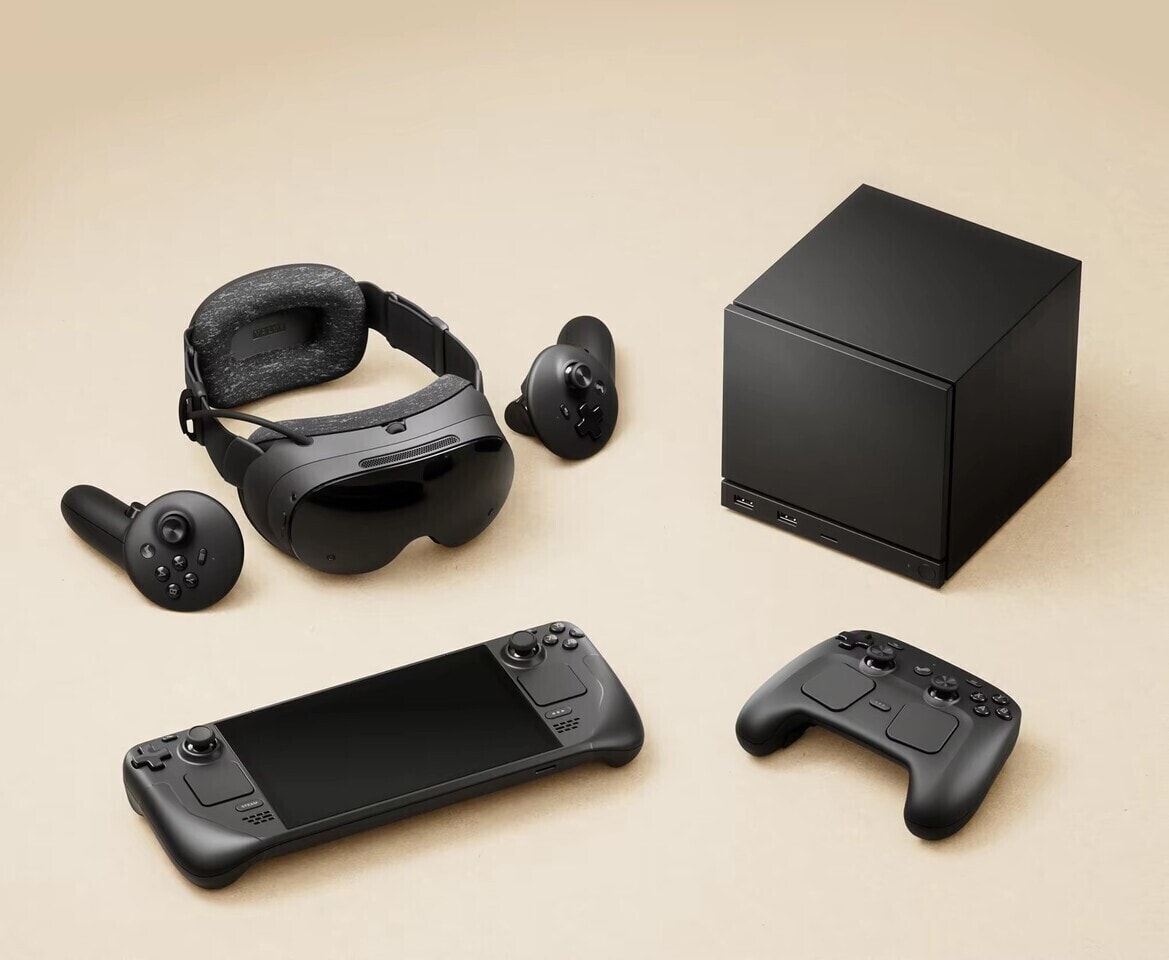
The Steam Machine’s $1049 price tag places it squarely in the premium gaming PC category, yet its specifications now trail behind sub-$1000 pre-built systems that deliver superior performance. While its NVIDIA GeForce RTX 3060 Ti GPU and 16GB of DDR4 RAM provide a strong foundation for cloud gaming, competitors under $1000 are pushing the envelope with RTX 3070 GPUs, 32GB of memory, and 1TB NVMe SSDs—configurations that once required significantly higher price points.
This shift underscores a broader trend in the gaming PC market: affordability is no longer a luxury but an expectation. The Steam Machine’s inclusion of a 512GB NVMe SSD and 1TB HDD expands its storage capacity, yet it still falls short when measured against what sub-$1000 systems now offer. For gamers who prioritize raw performance over ecosystem integration, the premium pricing becomes harder to justify.
Key Specifications: A Closer Look
- Steam Machine: RTX 3060 Ti (8GB GDDR6), Ryzen 5 5600X (6C/12T, up to 4.4GHz), 16GB DDR4-3200, 512GB NVMe SSD + 1TB HDD
- Sub-$1000 Competitors: RTX 3070 (8GB GDDR6), Ryzen 7 5800X (8C/16T, up to 4.5GHz), 32GB DDR4-3600, 1TB NVMe SSD
The Steam Machine’s strength lies in its seamless integration with Steam’s cloud gaming platform, offering a polished experience for remote play enthusiasts. However, this advantage may not be enough to offset the hardware gap when compared to alternatives that deliver more power at a lower cost.
Market Dynamics: The Value Imperative
The gaming PC landscape has evolved rapidly, with pre-built systems now offering configurations that were once considered high-end. The Steam Machine’s RTX 3060 Ti, while capable, is no longer the top-tier option it might have been at launch if priced differently. This raises questions about whether its premium positioning can hold against systems that offer better hardware-for-the-price.
For gamers who view the Steam Machine as an all-in-one solution for cloud gaming, its appeal remains intact. But those focused on local performance will likely find more compelling options elsewhere. The challenge for Steam will be determining how to differentiate this system in a market where value is increasingly becoming the deciding factor.
The Steam Machine’s launch serves as a reminder that premium pricing must align with tangible benefits. While its ecosystem integration and build quality are strong selling points, the hardware it delivers no longer stands out in a segment where sub-$1000 systems are setting new performance benchmarks. Whether this shift in market dynamics will redefine what gamers expect from a high-end system remains to be seen—but one thing is clear: affordability is now the standard, not the exception.