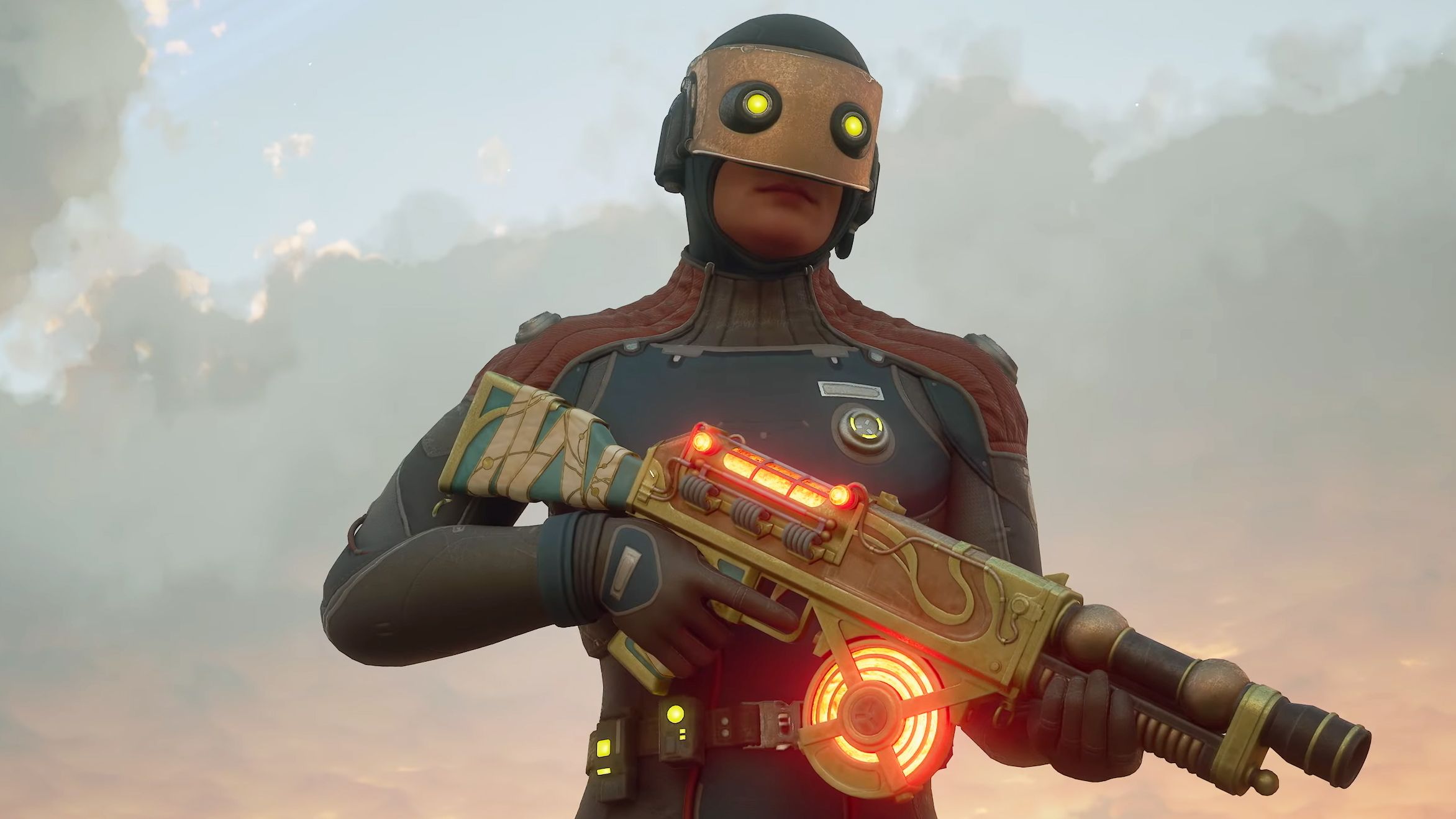
Walk through the streets of The Outer Worlds 2, and something feels off. Not the world itself—its sci-fi frontier is richly detailed—but the way you move through it. The camera hovers fixed behind your character, untethered from the body’s natural motion. No sway, no tilt, no bob. It’s as if your neck has been surgically detached from your shoulders.
This isn’t just a minor annoyance. It’s a jarring reminder of how deeply ingrained headbob has become in first-person games. The effect—a slight camera jerk that mimics the body’s gait—is so ubiquitous that its absence in a modern RPG like The Outer Worlds 2 stands out like a missing ingredient in a carefully crafted dish. And yet, it’s rarely discussed unless it’s overdone or missing entirely.
To understand the impact, compare it to Kingdom Come: Deliverance 2. In that game, every step feels grounded. The camera dips and rises in sync with your movement, reinforcing the illusion that you’re truly embodied in the world. Remove that, and the experience shifts from immersive to mechanical. You’re no longer a character; you’re a floating observer.
Why does this matter?
Headbob isn’t just about realism—it’s about presence. Games like Skyrim, Fallout 4, and even Cyberpunk 2077 use it to sell the idea that you’re looking through a person’s eyes. Obsidian’s omission in The Outer Worlds 2 isn’t an accessibility choice (many games offer toggleable headbob) but a deliberate stylistic shift—one that may have backfired. The studio’s other 2025 release, Avowed, also lacks it, making The Outer Worlds 2 part of a rare trend in modern RPGs.
Some might argue that removing headbob improves aiming consistency in shooters. Competitive titles like Counter-Strike often disable it for that reason. But even there, developers like Blizzard in Overwatch use subtle variations—heavy heroes like Reinhardt get a pronounced bob, while agile characters like Mercy glide smoothly. It’s a tool for character expression, not just mechanics.
In The Outer Worlds 2, the absence feels most glaring when your weapon is holstered. The game’s animations are otherwise polished, but without headbob, the illusion of a living body dissolves. You’re left with a static camera, a floating torso, and the unsettling sense that your avatar is a mannequin waiting for its limbs.
Perhaps the most frustrating part? This isn’t a flaw that requires a patch. It’s a design choice that could’ve been adjusted with minimal effort. The fact that it’s missing at all suggests Obsidian prioritized a detached, cinematic perspective over the tactile, embodied experience that defines first-person RPGs.
The takeaway? Headbob isn’t just a feature—it’s a cornerstone of immersion. You only notice it when it’s gone. And in The Outer Worlds 2, its absence leaves a hollow echo where presence should be.