For over a year, The Last of Us*’ four-season roadmap was set in stone. Showrunner Craig Mazin had repeatedly ruled out expanding beyond the games’ core story, and HBO’s leadership, including CEO Casey Bloys, deferred to his creative control. But recent signals from HBO’s top brass now imply the series may wrap up in three seasons—a shift that, if confirmed, would reshape how the show’s final act unfolds.
The change comes at a pivotal moment. Season two, which aired in 2025, secured 16 Emmy nominations but saw declining viewership compared to the first season. While the critical reception remained strong, the mixed performance may have influenced HBO’s internal discussions about the show’s long-term viability. Bloys, in a recent interview, acknowledged the uncertainty, stating that while the decision ultimately rests with Mazin, the network’s stance appears to lean toward a tighter timeline.
If the show concludes in three seasons, the narrative focus would likely pivot sharply. The first two seasons adapted *The Last of Us Part I*, with season two wrapping up Joel and Ellie’s journey in Jackson. A third season would then tackle *Part II*’s Seattle arc, culminating in Abby’s confrontation with Ellie—a story that, in the games, spans nearly a decade. The challenge for Mazin and his team lies in condensing that conflict without losing the emotional weight of the original.
The absence of Neil Druckmann, the game’s creator, from the show’s production adds another layer of complexity. His departure—due to scheduling conflicts—has already led to a recast for Manny, a fan-favorite character, in season three. Whether this shift will alter the tone or pacing of the remaining seasons remains unclear, but it underscores HBO’s willingness to adapt, even if it means deviating from the original creative vision.
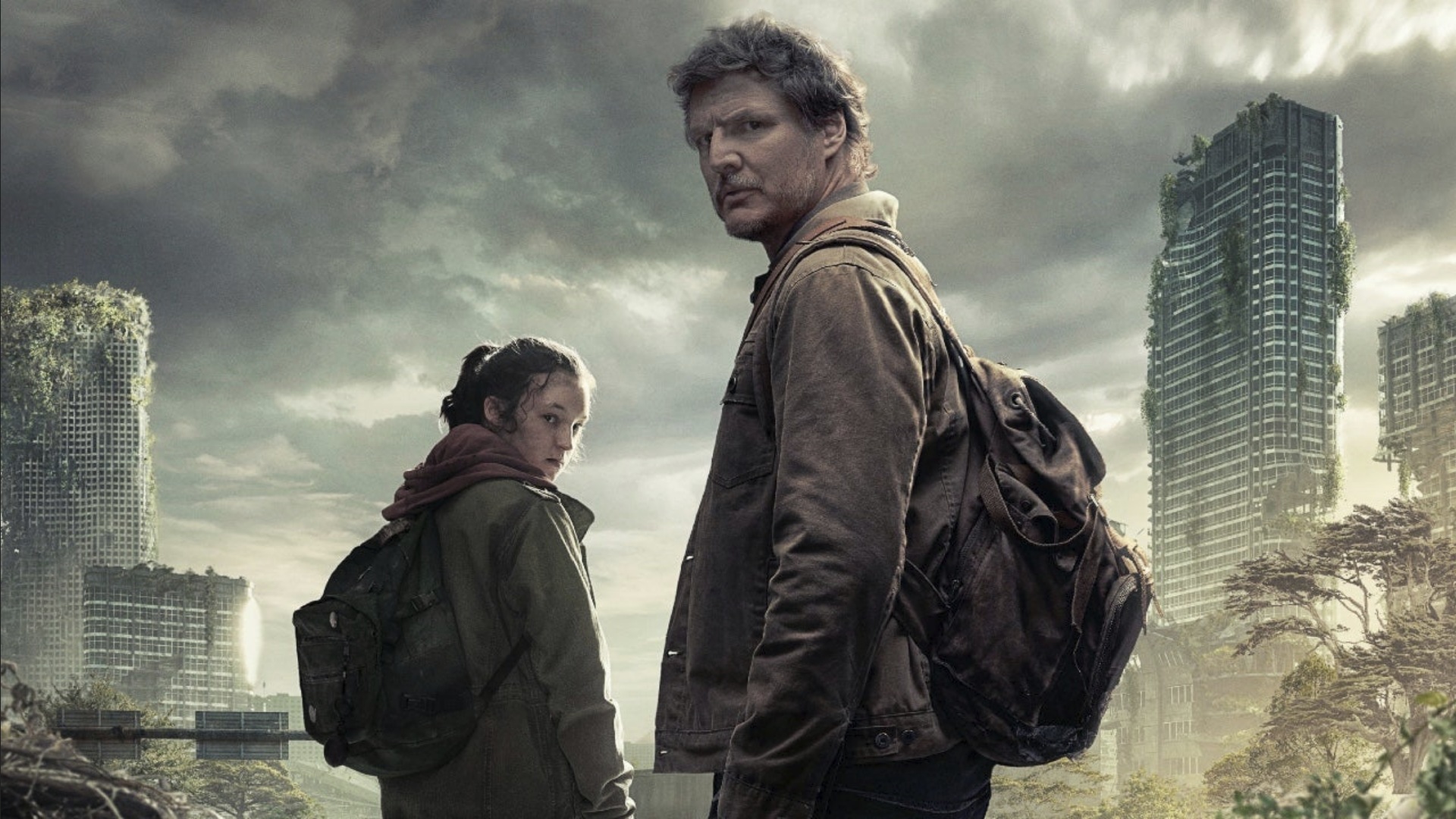
Financially, the decision could reflect HBO’s broader strategy. With *The Last of Us serving as one of its flagship original series, the network may be prioritizing a more streamlined production schedule. A three-season run would align with the typical lifespan of high-budget prestige TV, allowing HBO to allocate resources to other projects without committing to an extended arc.
Yet, the possibility of a fourth season isn’t entirely off the table. If Naughty Dog proceeds with The Last of Us Part III*, HBO might revisit the idea of additional seasons, especially if new storylines emerge. For now, though, the focus remains on delivering a satisfying conclusion to Abby and Ellie’s saga—one that balances the demands of a truncated timeline with the depth of the source material.
The uncertainty surrounding the show’s length also raises questions about its legacy. *The Last of Us has redefined how video game adaptations are told on television, blending cinematic storytelling with interactive gameplay’s pacing. A three-season run could either solidify its place as a modern TV masterpiece or leave audiences yearning for more—a risk that HBO and Mazin must carefully navigate.
As season three approaches, all eyes will be on how the show’s creators respond to these signals. If Bloys’ are any indication, the final call may come down to a delicate balance: creative ambition versus the realities of production and audience expectations. For now, the endgame remains in flux—but the stakes have never been higher.