The heat path block was never meant to be just another incremental improvement. When engineers at Samsung first designed it for the Exynos 2600, they were chasing something radical: a way to make mobile processors so efficient that thermal throttling became optional. What emerged was FoWLP_HPB—a reimagining of chip packaging that treats heat not as an afterthought but as the primary design constraint.
Traditional fan-out wafer level packages (FoWLP) had always relied on a thick DRAM layer to support the die, creating a thermal dead zone. Samsung’s breakthrough was to shrink that layer and introduce a dedicated copper-based heat path block, effectively rerouting heat away from sensitive components. The result? A 16% reduction in thermal resistance, which translated into sustained clock speeds that previous generations couldn’t touch.
But the Exynos 2600 wasn’t just about smartphones. Its architecture hinted at a broader vision—one where this kind of thermal precision could be applied to other domains. As DDR6 memory speeds approach 17,600 MT/s by 2027, and AI workloads push both CPUs and GPUs to their limits, the need for advanced cooling solutions has never been more urgent.
Industry observers note that Samsung’s HPB technology is no longer a solo act. Reports suggest that other major chip manufacturers—those behind Android’s flagship processors—are quietly integrating similar designs into their own roadmaps. This isn’t just about copying; it’s about adapting a solution that was originally tailored for mobile to fit the demands of next-generation computing.
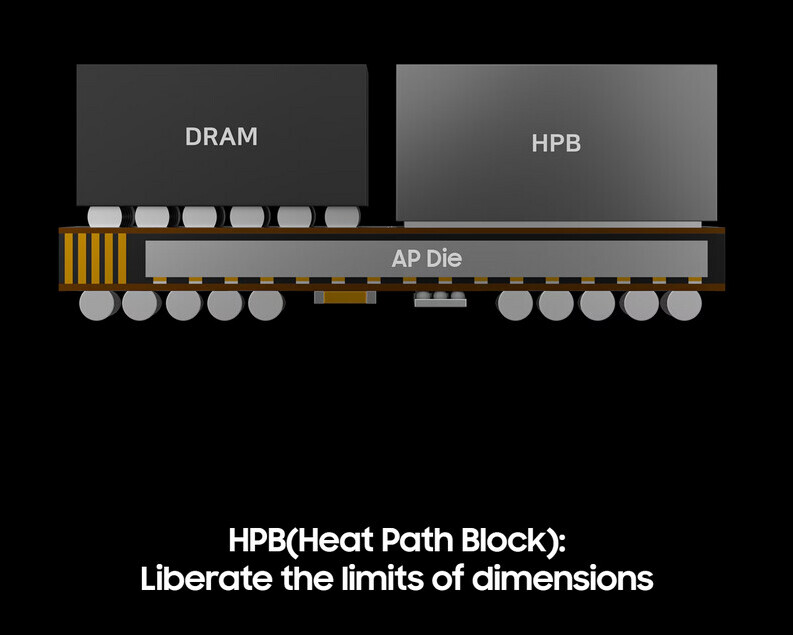
Consider the implications: if HPB becomes a standard feature in SoC design, the barriers between performance and heat dissipation could crumble entirely. For years, the placement of DRAM layers has been a known bottleneck, but Samsung’s approach offers a clear alternative—one that doesn’t just mitigate heat but actively manages it.
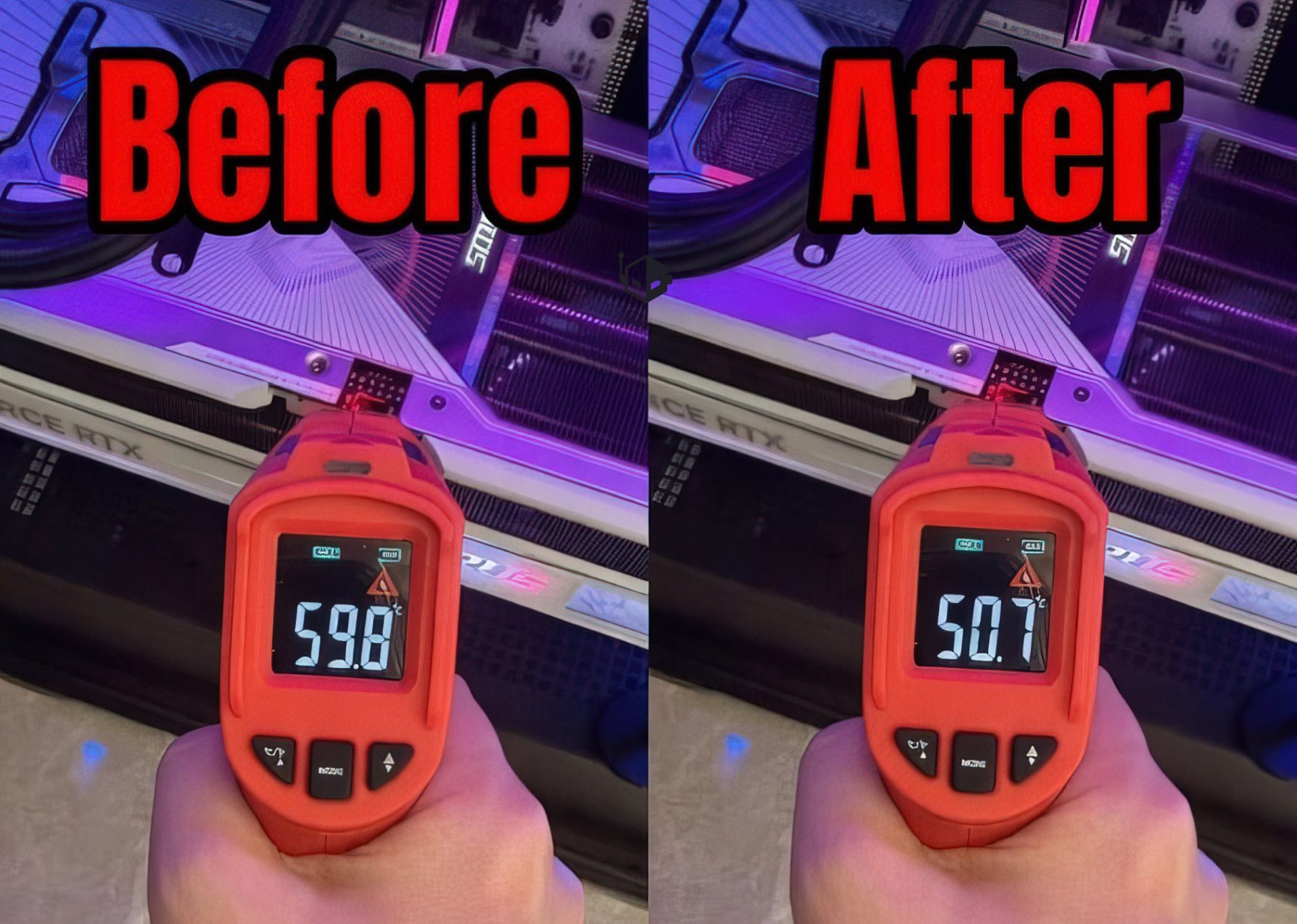
This shift is already playing out in high-performance computing. The GeForce RTX 5080 SUPER and RTX 5090, for example, are pushing the boundaries of what’s possible with 2nm process nodes, but their thermal challenges are just as daunting. If HPB-inspired solutions find their way into discrete GPUs or even data center chips, the impact could be transformative.
For consumers, the benefits would be immediate: longer battery life, more stable performance under load, and the ability to push hardware further without sacrificing thermal efficiency. For manufacturers, it represents a new standard—one where cooling isn’t an add-on but a foundational element of design.
The Exynos 2600 may have been Samsung’s first foray into this technology, but its legacy is already being written across the industry. As chips grow more complex and power-hungry, the heat path block could become the defining innovation of the next decade—one that doesn’t just keep pace with performance demands but redefines them entirely.
The question isn’t whether HPB will spread; it’s how far it will go. With DDR6 speeds climbing and AI workloads evolving, the stage is set for a new era of thermal management—one where heat is no longer the enemy, but the key to unlocking what’s next.