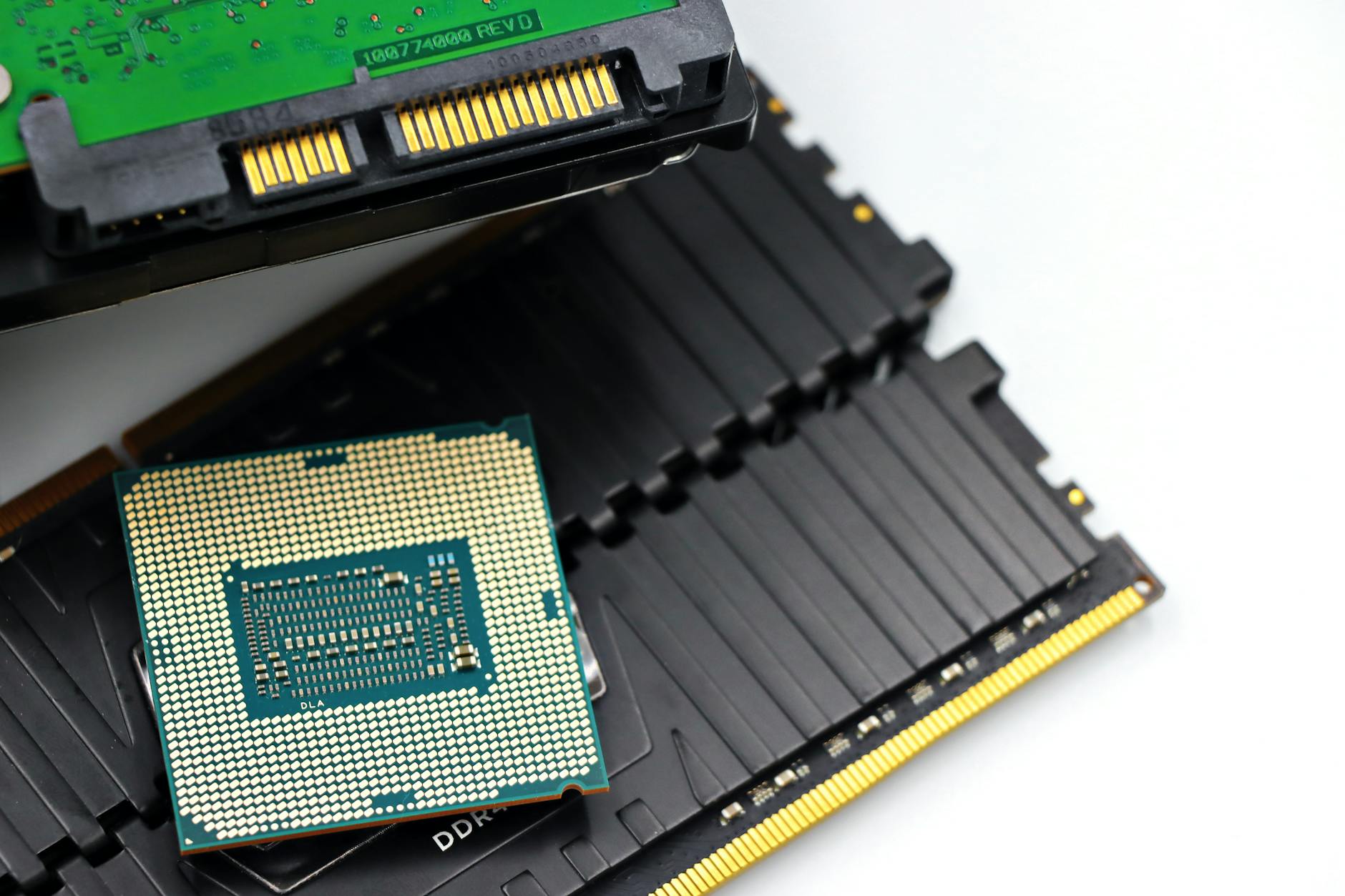
data centers are becoming the ultimate test for memory manufacturers. On one hand, they’re securing long-term deals that guarantee revenue and scale—ideal conditions for suppliers. On the other, those same contracts force buyers to commit to expensive, high-capacity modules with limited flexibility, raising serious questions about long-term cost efficiency.
At the heart of this shift is a fundamental tradeoff: AI workloads demand more memory bandwidth than ever before, but the price tag for that performance is steep. The latest generation of data center RAM—like Samsung’s 840GB LPDDR5X modules—pushes the boundaries of what was once considered feasible, yet the operational cost of running these systems at scale remains a critical unknown.
Why AI Companies Are Locking In
The decision to sign multi-year memory contracts isn’t just about securing supply; it’s about locking in pricing before costs spiral. With AI training and inference workloads growing exponentially, companies like Microsoft, Google, and Nvidia are hedging against volatility by pre-purchasing modules at today’s prices. This strategy benefits suppliers, who gain predictable revenue streams, but it also ties buyers to hardware that may become obsolete faster than expected.

What It Means for Buyers
- Enthusiasts and small-scale AI developers will likely avoid these contracts due to the high upfront costs and inflexibility.
- Large enterprises, however, have little choice—operational efficiency demands consistent memory supply chains, even if it means committing to long-term agreements.
The real question isn’t whether this trend will continue; it’s how sustainable these contracts will be as memory prices stabilize or drop. If the market cools, buyers could face stranded assets with little recourse. For now, though, the writing is on the wall: AI data centers are reshaping the memory market in ways that favor suppliers more than users.
A Market Built on Speculation
Memory manufacturers are reaping the rewards of this AI-driven boom, but the long-term implications are less clear. Suppliers are expanding production lines to meet demand, yet the cost of scaling remains a wild card. If prices drop unexpectedly, the entire ecosystem could face a reckoning—one that leaves buyers with overstocked inventory and suppliers scrambling for new revenue streams.
Where Things Stand Now
The AI memory market is in a state of flux: high demand today, but uncertain stability tomorrow. Buyers are locked into contracts that promise cost savings upfront, while suppliers enjoy unprecedented scale. Yet the operational cost of running these systems at scale has yet to be fully tested. For now, the best-case scenario for suppliers may not translate into the best outcome for AI companies—or their users.