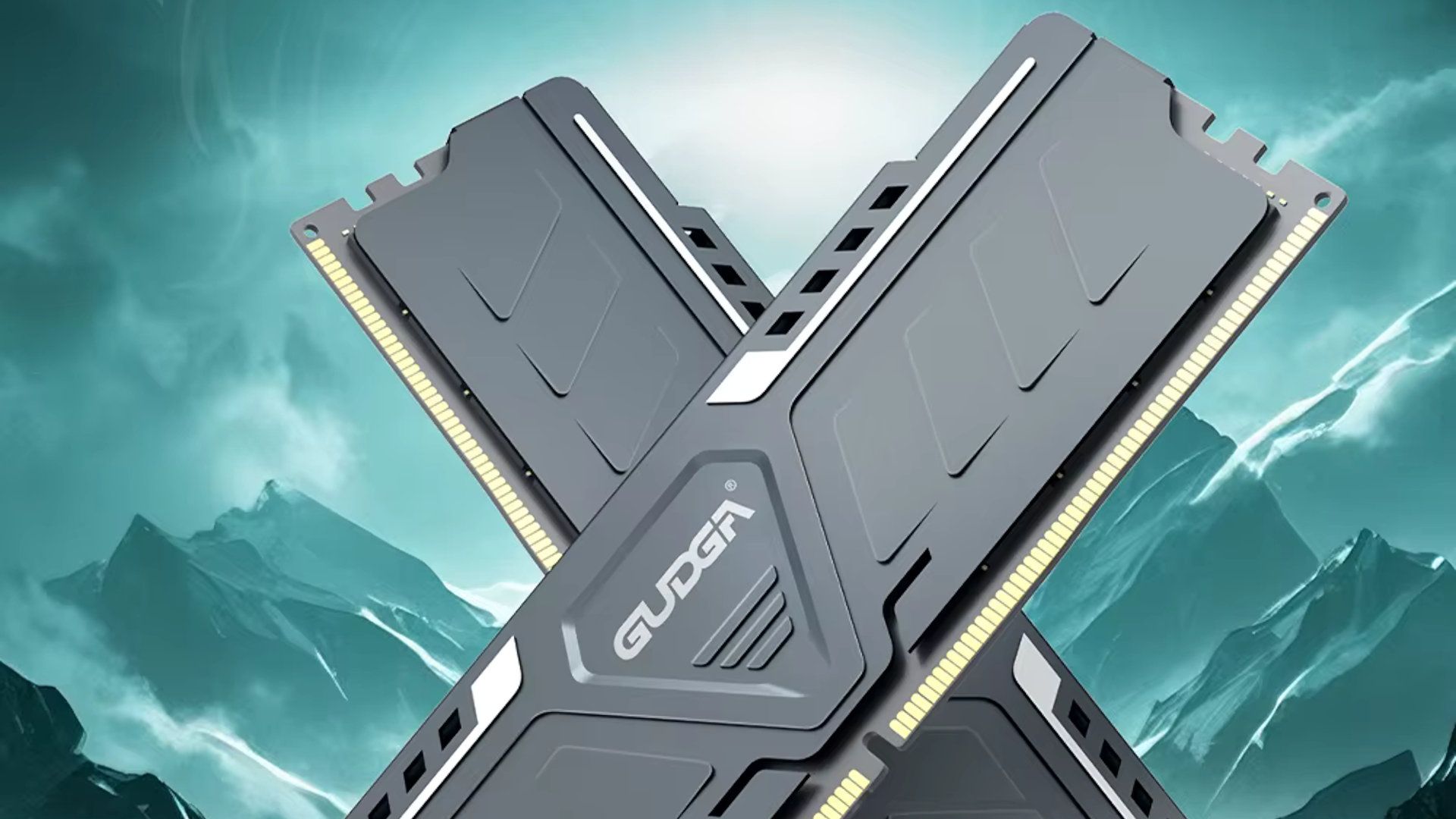
These numbers don’t just reflect supply chain chaos—they reveal a market where even the most aggressive Chinese sellers have been forced to align with global DRAM pricing. The $65 Temu Eaget DDR4-3200 kit, for example, stands out as an outlier, but its legitimacy is questionable. Most listings lack proper certifications, and performance benchmarks are often nonexistent. A 16 GB DDR5-5600 kit from Gugda on AliExpress, priced at $469, doesn’t just fail to undercut Western alternatives—it matches or exceeds them while offering no additional features like heat spreaders or lifetime warranties.
The gap narrows slightly for DDR4, but only marginally. A 16 GB DDR4-3200 kit from Timetec remains the most competitive option at $120, undercutting even the cheapest Chinese alternatives by just $3. Meanwhile, Juhor’s DDR4-3200 RGB kit jumps to $265—a premium that doesn’t justify the added aesthetics. The real takeaway? Chinese memory brands have become a mirror of the global market, where inflation and scarcity dictate prices regardless of origin.
Performance is another critical factor where Chinese kits often fall short. While some listings claim high-speed ratings, real-world testing frequently reveals inconsistencies. A DDR5-6000 kit from Adata, for instance, delivers stable speeds at $195 for a single stick, whereas a Chinese equivalent might struggle to meet advertised specs. Thermal performance also suffers—many budget kits lack proper heat dissipation, leading to throttling under sustained loads. For builders prioritizing reliability, the savings simply aren’t worth the risk.
What This Means for Your Build
The illusion of savings from Chinese memory brands is further undermined by hidden costs. Shipping delays, customs fees, and the lack of local support turn a seemingly cheap kit into an expensive gamble. A $123 Cusu DDR4-3200 kit might arrive damaged or fail to meet advertised timings, leaving buyers with no recourse. Western brands, despite higher upfront costs, offer tested performance, warranties, and customer service—a far safer investment for critical components like RAM.
For those still tempted by the allure of discounts, a closer look at the fine print is essential. Verify seller ratings, check for third-party benchmarks, and avoid deals that seem too good to be true. In the end, the ‘great RAM scam’ isn’t about deception—it’s about a market where even the most obscure sellers have been priced out of competition. The best bargains remain with trusted names like G.Skill, Corsair, and Adata, where quality and reliability still matter more than a few extra dollars.