The game’s most ambitious feature is its dynamic narrative system, where player decisions don’t just alter dialogue—they reshape entire story beats. The game’s opening hours hinge on a single choice: whether to abandon the Caretaker’s Array, a decision that ripples through the entire campaign. Keep the relay, and the crew gains a shortcut home—but at the cost of alienating the Borg, who see it as a betrayal. Abandon it, and the journey becomes a decade-long slog, but one where the crew might earn the trust of the Delta Quadrant’s most powerful factions.
This isn’t just a matter of plot convenience. The game’s survival mechanics ensure that every decision has weight. Need to launch an away mission? Assign the right crew members—or risk sending them into combat exhausted, their effectiveness halved. Stockpile too many supplies, and your storage capacity becomes a bottleneck. Skip repairs on the warp core, and you’ll be drifting in space when you least expect it.
For fans of Star Trek*, the attention to detail is staggering. Original cast members lend their voices to pivotal moments, and the game’s soundtrack—composed by the show’s original composer, Jeri Allen—elevates even the most mundane tasks into something cinematic. But the real strength lies in how it translates the show’s themes into gameplay. *Voyager was never about flashy battles; it was about endurance, diplomacy, and the cost of leadership. This game captures that spirit, even if its execution isn’t always polished.
The combat system, for instance, is a study in frustration. Players allocate energy to weapons, shields, or repairs, but the Voyager itself often seems to have a mind of its own. Missed shots, failed maneuvers, and the occasional refusal to target an enemy make battles feel more like a test of patience than skill. Yet, in a way, that’s fitting—Captain Janeway never claimed to be a perfect leader, and neither does this game.
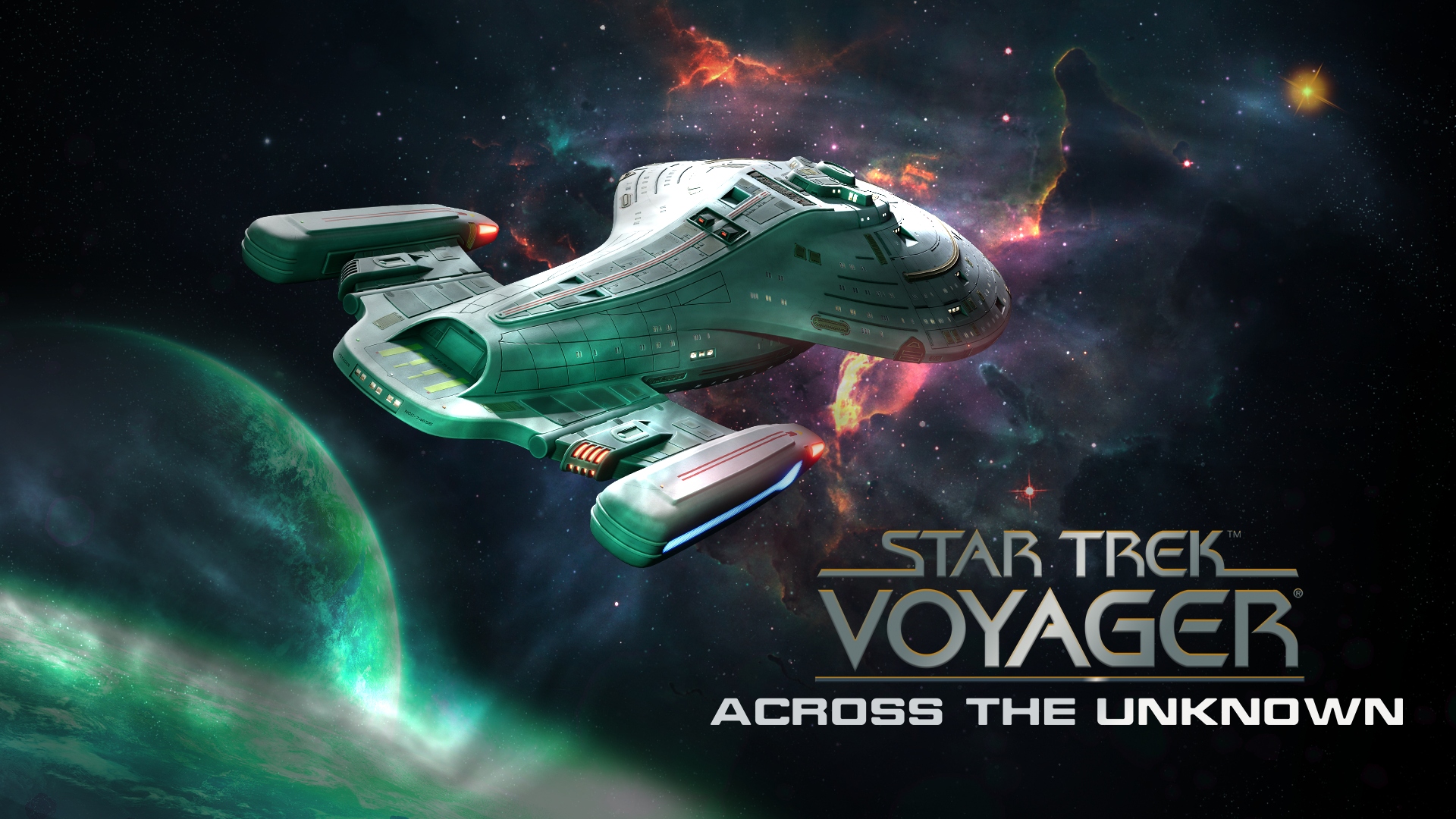
Where Across the Unknown truly excels is in its resource management. Ten core systems—food, dilithium, Borg nanites, and more—demand constant balancing. Ignore one for too long, and the consequences are immediate. A crew member’s morale drops, their efficiency plummets, and before you know it, you’re scrambling to keep the ship from falling apart. It’s a design choice that rewards meticulous planning but can also feel punishing, especially when progress stalls due to a single miscalculation.
The payoff, however, is a campaign that feels alive. Unlocking new technology—like a warp core upgrade or a bio-lab for nanite production—isn’t just about pressing a button; it’s about solving a puzzle, making sacrifices, and watching the crew’s skills grow in response. The game even encourages experimentation: Want to see how far you can push your crew’s limits? Try sending them on back-to-back missions without rest. The results aren’t pretty, but they’re memorable.
Yet for all its strengths, Voyager – Across the Unknown isn’t without flaws. The text-heavy presentation can feel slow for players accustomed to modern blockbusters, and the lack of voice acting for most interactions removes a layer of immersion. Then there’s the game’s occasional rigidity—some decisions feel binary, with little room for nuance, and the ship’s AI can be infuriatingly stubborn.
But these rough edges don’t detract from the game’s core appeal. It’s a rare Star Trek experience that doesn’t shy away from the franchise’s darker themes—isolation, loss, and the cost of survival. In a genre often dominated by spectacle, Across the Unknown reminds players why Voyager endured in the first place: because it was never about the destination. It was about the journey—and the choices that define it.
For those willing to embrace its challenges, the game delivers a Star Trek experience unlike any other. It’s not always easy, but it’s never forgettable.