The Computer History Museum’s physical halls near Mountain View, California, have long been a pilgrimage site for tech historians and hardware geeks. Now, the museum’s entire collection is accessible online, transforming a once-regional curiosity into a global time capsule of computing’s strangest and most influential artifacts.
What makes the digital collection so compelling isn’t just its breadth—it’s the sheer weirdness* of the pieces on display. Take, for example, a three-button mouse from Silicon Graphics, a relic from an era when hardware names actually made sense. Manufactured by Mouse Systems Corp., it’s a stark reminder of how far pointing devices have evolved—from clunky mechanical designs to sleek, wireless, high-DPI marvels. No specs sheet could ever match its historical weight, but it’s the kind of artifact that makes you wonder: How did we get here?*
The digital portal organizes its holdings into three key sections. Curator picks highlight standout pieces, while stories from the collection contextualize the tech within broader historical narratives. But the real gem is the discovery wall, an interactive gallery where users can scroll through hundreds of items—from early mainframe components to obscure peripherals—each with high-resolution images that invite closer inspection.
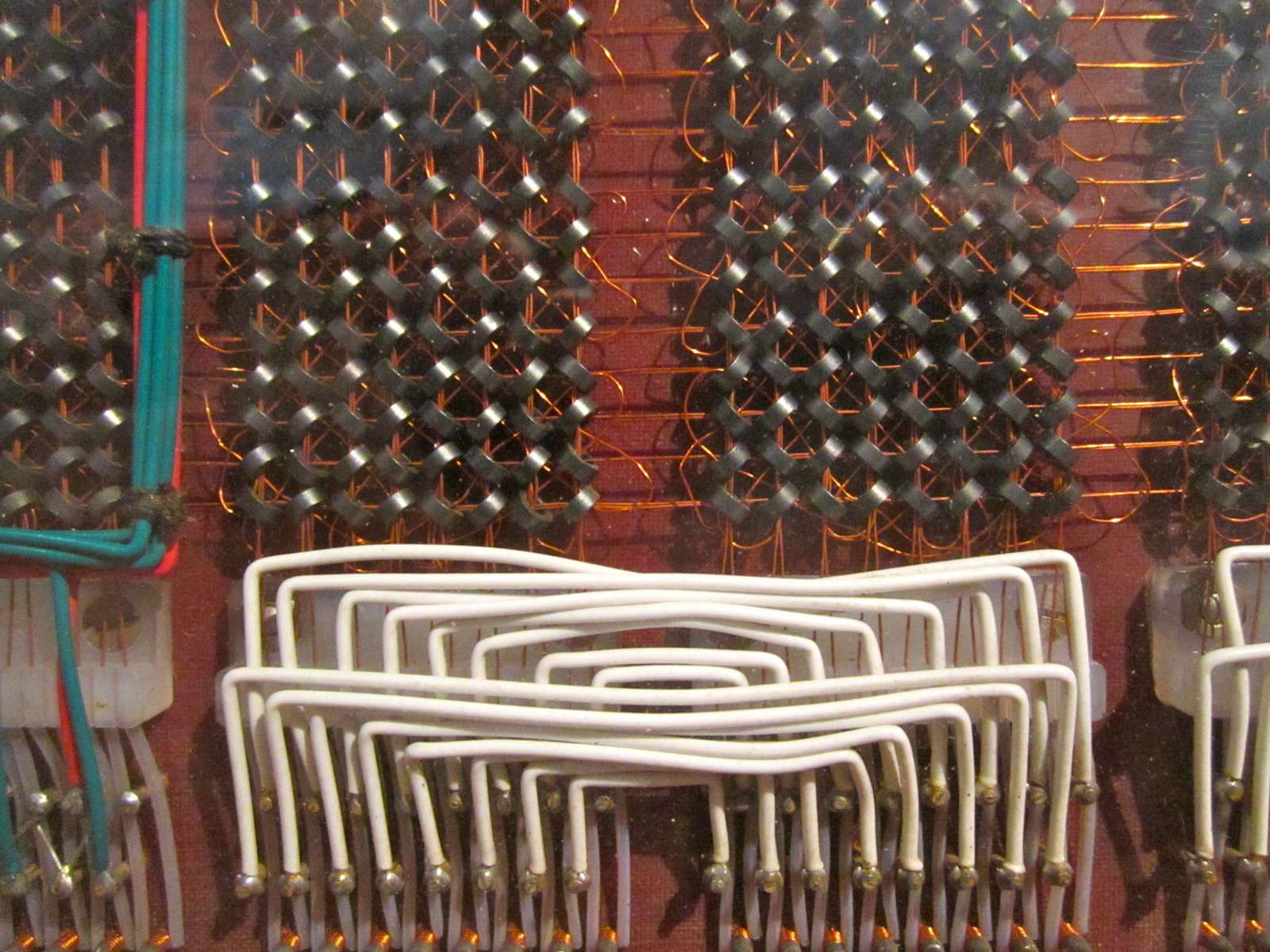
Among the most fascinating exhibits is the world’s first Lisp processor megachip, a monolithic marvel containing 553,687 transistors and 116,736 bits of RAM. Encased in glass like a delicate relic, it’s a stark contrast to today’s chipsets, where billions of transistors are crammed onto a single die. Zooming in on the image reveals intricate wiring patterns that feel almost alien compared to modern silicon. It’s a humbling glimpse into how far architecture has advanced—or, in some cases, how little has changed in fundamental design principles.

For many, the collection will stir personal nostalgia. Original GameBoy PCBs, early IBM keyboards, and even experimental prototypes from forgotten companies now sit alongside cutting-edge relics. The high-resolution scans mean you can pore over details—like the soldered joints on a vintage motherboard or the mechanical switches of a 1980s terminal—with the precision of a curator. It’s a digital attic, where childhood tech suddenly feels like museum-grade art.
The archive also serves as a reminder of how rapidly hardware has evolved—and how much of that progress was built on the backs of quirky, often flawed innovations. Today’s RGB-laden, AI-driven systems might feel like the pinnacle of engineering, but they’re the direct descendants of these oddball creations. The museum’s digital vault isn’t just a trip down memory lane; it’s a masterclass in how computing’s past shapes its future.
Whether you’re a hardware enthusiast, a historian, or just someone who appreciates the bizarre, the Computer History Museum’s online collection is well worth exploring. It’s a free, immersive experience that proves some of the most important tech stories aren’t just in the labs of today—they’re in the dusty corners of yesterday.