At first glance, Bobium Brawlers—the new AI-powered turn-based card and dice battler from Studio Atelico—seems like just another mobile game. But its core mechanic isn’t just novel; it’s a direct challenge to the assumptions many gamers hold about AI in games. Instead of relying on generic, low-quality AI outputs, the game lets players describe creatures for their decks, which an on-device AI then renders in minutes. The twist? The studio isn’t just using AI; it’s funding it ethically, paying artists royalties for the training data and ensuring no exploitation occurs.
The result is a game that doesn’t just use AI—it redefines how AI can be deployed in gaming, particularly on mobile platforms where computational constraints are tight. But the bigger question is whether this approach can shift the narrative around AI in games, where skepticism often stems from past abuses rather than the technology itself.
A Game Built on AI, But Not at the Artists’ Expense
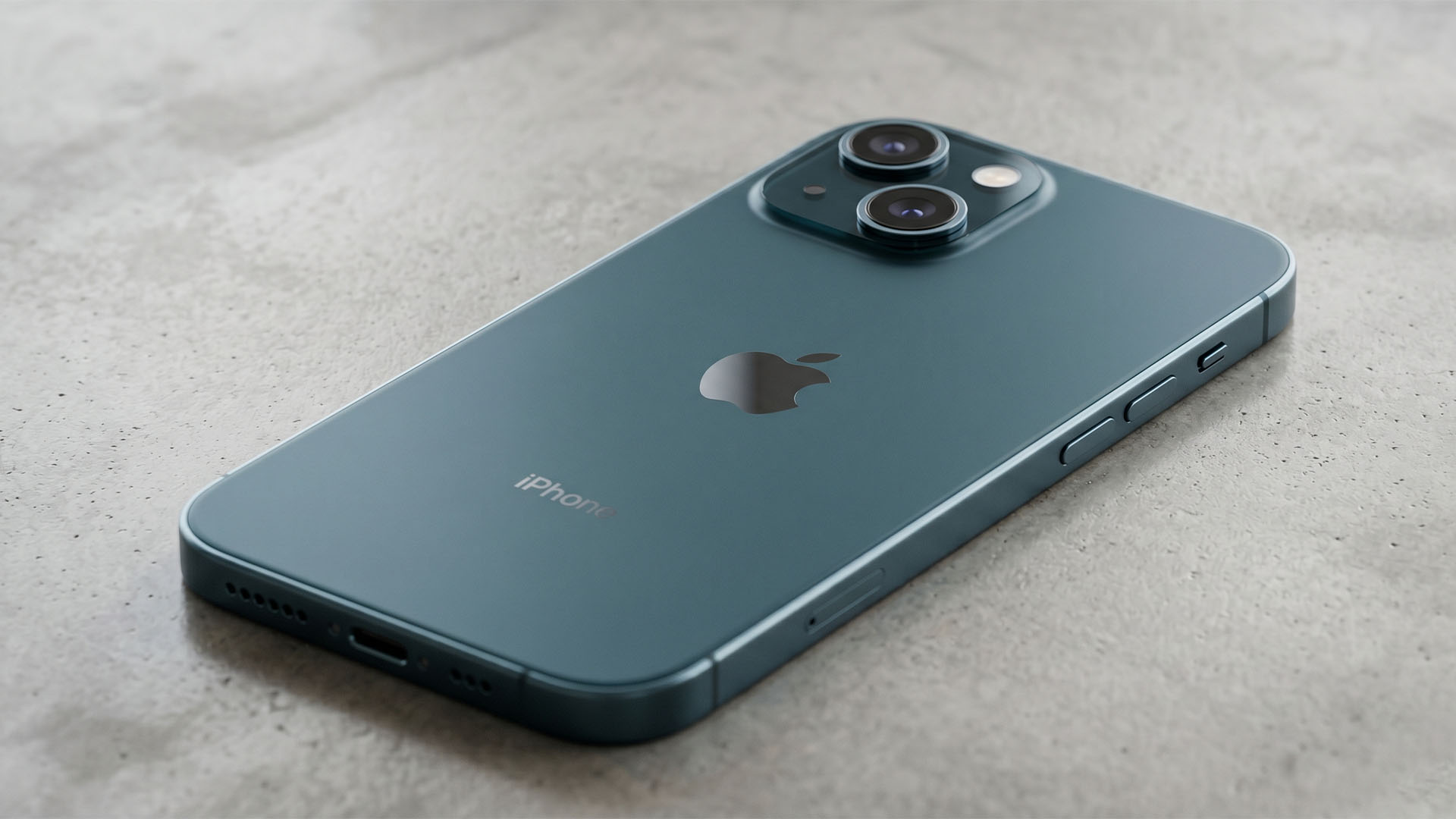
The AI engine behind Bobium Brawlers* runs entirely on-device, requiring at least an iPhone 13-level Neural Engine for performance. This isn’t just a technical limitation—it’s a deliberate choice. By avoiding cloud dependency, the studio eliminates latency and privacy risks while keeping costs near-zero (under one cent per creature creation). But the real innovation lies in how the AI was trained: Studio Atelico employed a team of human artists to create thousands of reference images and descriptions, then compensated them with royalties for any AI-generated creatures based on their work.
This isn’t just corporate lip service. The studio’s art director has stated that without AI, the game’s core mechanic—player-created decks—would be impossible. Yet the team refuses to outsource the creative process to unpaid labor or stock imagery. ‘The pushback against AI isn’t about the tech,’ says the CEO. ‘It’s about the slop and the exploitation of artists who enable it.’

Why Gamers’ Skepticism Isn’t About AI—It’s About the Industry
Recent backlash against AI in gaming—such as the controversy surrounding Divinity: Original Sin 4—has centered on two key issues: the devaluation of human creativity and the proliferation of low-effort, low-quality content. Bobium Brawlers addresses both directly. Every card and creature in the game starts with human-crafted assets, and the AI’s role is strictly generative, not replacement. Even the initial cloud-based components (used only for minor functions) are slated to move on-device in future updates.
The game’s combat system—fast, 1v1 duels blending card mechanics with dice rolls—reinforces this ethos. There’s no grinding for meta decks or exploitative RNG; instead, players rely on tactical improvisation. It’s a design choice that mirrors the studio’s stance on AI: use it to enhance, not replace.
Can This Approach Change the Conversation?
Bobium Brawlers isn’t the first game to use AI, nor is it the only one attempting ethical implementation. But its combination of on-device processing, artist compensation, and a clear rejection of ‘slop’ makes it a case study in how AI could—if handled responsibly—become a tool for creativity rather than controversy.
The challenge now is whether players will see it that way. Skepticism remains, but games like this prove that AI’s potential isn’t inherently bad—it’s how it’s deployed that matters. For Studio Atelico, the goal isn’t just to launch a hit; it’s to redefine what AI in gaming can be.
- AI in Bobium Brawlers* runs on-device (iPhone 13+ Neural Engine required) to avoid latency and privacy risks.
- Artists are paid royalties for AI-generated creatures based on their training data.
- Gameplay emphasizes tactical improvisation over grinding or exploitative mechanics.
- Initial cloud components will transition to on-device in future updates, keeping costs near-zero.
- The studio argues gamers oppose exploitation and low-quality outputs, not AI itself.