A graphics card priced at $560 for an RTX 5080 would normally trigger a viral post. This time, it did—but not for the reasons you’d expect. The card in question wasn’t listed online, sitting in a bargain bin, or even part of a planned promotion. Instead, it was spotted on a Walmart shelf, marked down by an automated system that seems to have lost its usual restraint.
The Reddit user who snapped up the deal—an Nvidia RTX 5080 from PNY—paid just $562.49, a fraction of the $1,300+ typically demanded for new models. For context, that’s a price more fitting of a used RTX 3080 than a brand-new flagship GPU. Yet here it was: a full-spec 5080, tucked among other hardware, its box slapped with a Customer Value Program (CVP) sticker, a discount tool Walmart uses for perishable goods or returned items.
But how does a high-end GPU end up in that category? The answer may lie in how Walmart’s inventory system works. Employees suggest CVP discounts are often applied to open-box returns or items that have lingered on shelves too long. In some cases, the system may even auto-reduce prices until something sells—no human oversight required. The result? A card that, for a fleeting moment, became the best GPU deal in the market.
There’s a catch, though. Walmart employees can’t buy discounted items immediately; they must wait 24 hours. That window might explain why the deal vanished before others could spot it. Some Reddit users speculate the buyer was either a well-timed customer or—more intriguingly—a Walmart staffer playing by the rules. Either way, the card was gone before most shoppers even knew it existed.
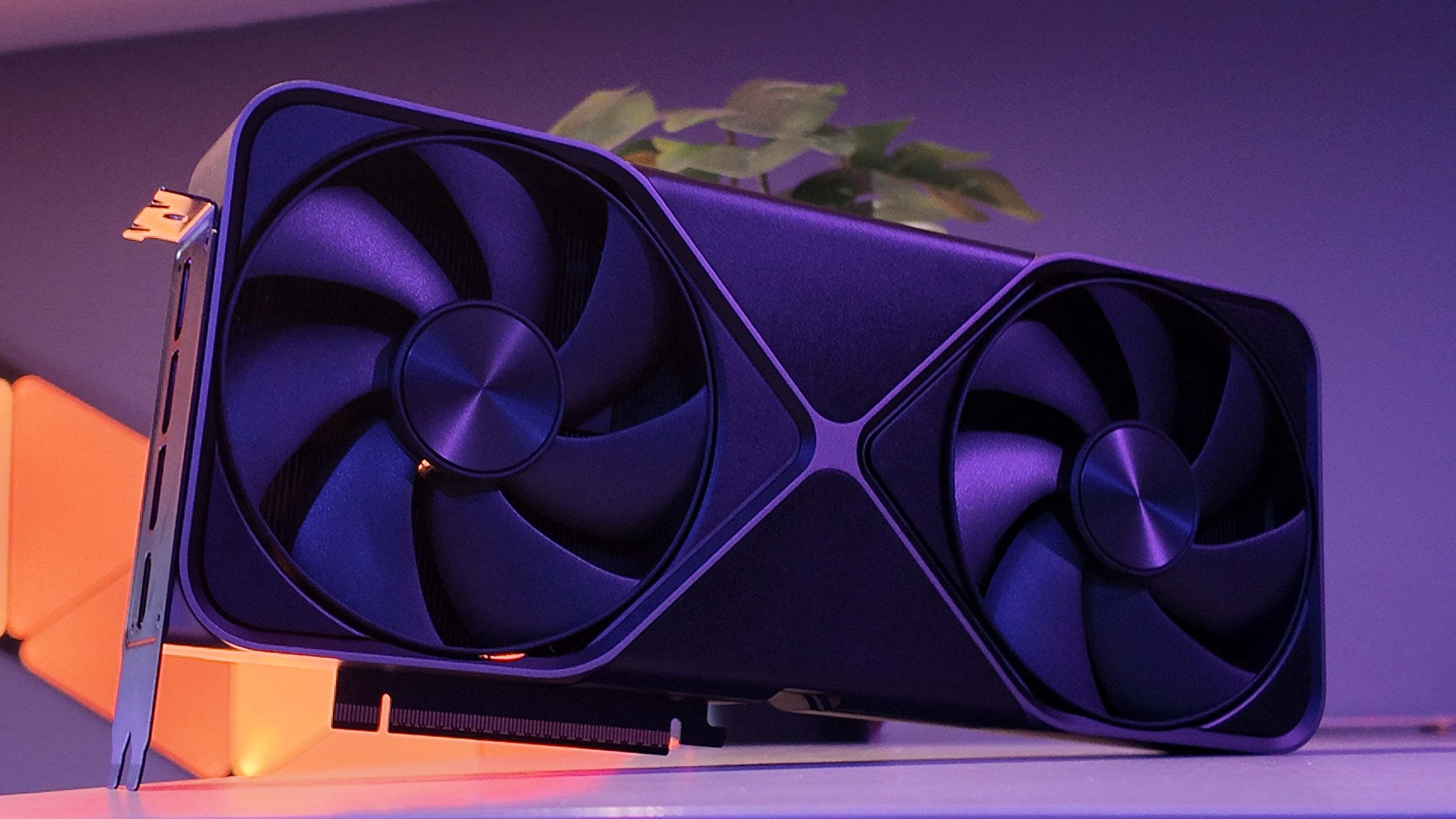
This isn’t the first time deep discounts on GPUs have sparked suspicion. Earlier this year, an Amazon customer unboxed an RTX 5080 only to find it was actually an RTX 5060 Ti, the result of a swap-and-return scam. If Walmart’s CVP system pulls from online returns, the risk of receiving mismatched or tampered hardware isn’t zero. Opening the box at checkout—or at home—could save buyers from a costly surprise.
So is this the deal of the decade, or just a fluke? For now, it’s the only RTX 5080 under $600 in sight. Whether it’s an algorithm gone rogue, a retail glitch, or a carefully hidden secret, one thing is clear: someone got lucky. The rest of us are left wondering when—or if—the next one will appear.
Key specs (PNY GeForce RTX 5080)
- GPU: Nvidia Ada Lovelace architecture
- CUDA cores: 10,752
- VRAM: 16GB GDDR6X
- Memory bus: 256-bit
- Boost clock: 2.23 GHz
- TDP: 320W
- Display outputs: 1x HDMI 2.1, 3x DisplayPort 1.4a
- DLSS support: 3.5 (Frame Generation)
- Ray tracing cores: 3rd gen
- AV1 encode/decode: Yes
The RTX 5080 remains one of the most powerful consumer GPUs available, capable of 4K gaming at high refresh rates and AI-accelerated workloads. Its 16GB of GDDR6X memory and 256-bit bus make it a strong choice for creators, though power draw and heat output demand robust cooling. The $560 price—if legitimate—would make it the most affordable way to get into Ada Lovelace performance, though buyers should verify hardware authenticity before purchase.
Note: Pricing and availability are based on the reported in-store transaction. Walmart does not confirm or deny such discounts publicly.