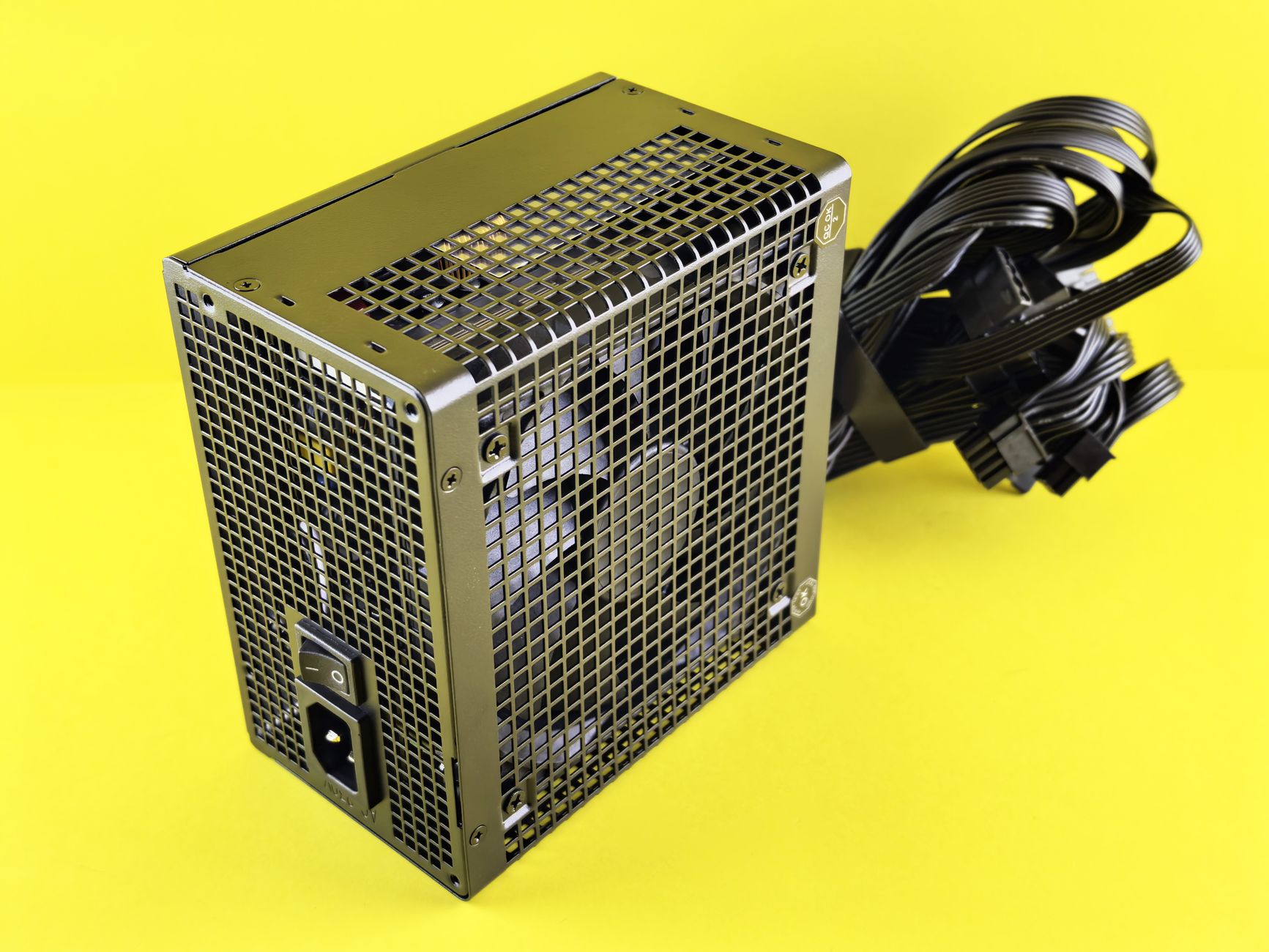
Beneath the surface of Taiwan’s economic landscape, something extraordinary is happening. The nation’s savings rate has skyrocketed to 26.03%, a figure that dwarfs historical benchmarks and signals an unprecedented accumulation of capital. This isn’t just another statistical blip—it’s a financial tectonic shift, one that traces its roots back to the relentless growth of AI-related exports.
What makes this development particularly striking is its dual nature: Taiwan isn’t merely producing more chips or servers; it’s becoming the backbone of an entire AI infrastructure ecosystem. From the intricate cooling systems that keep data centers from overheating to the networking hardware that powers seamless connectivity, Taiwan’s role has expanded beyond traditional semiconductor manufacturing. This expansion has driven commodity exports to levels previously unimaginable, creating a widening chasm between what the country earns and what it invests domestically.
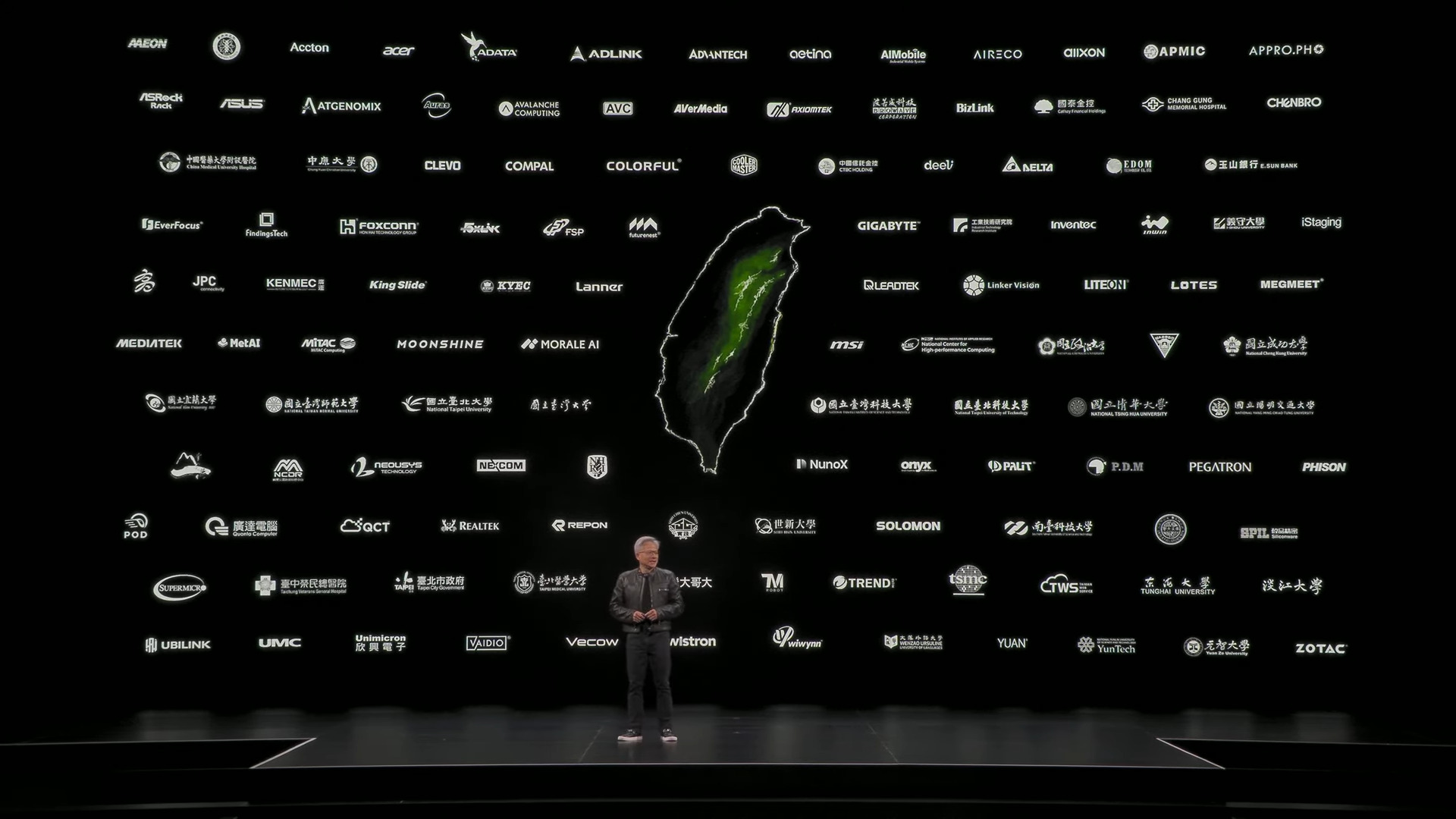
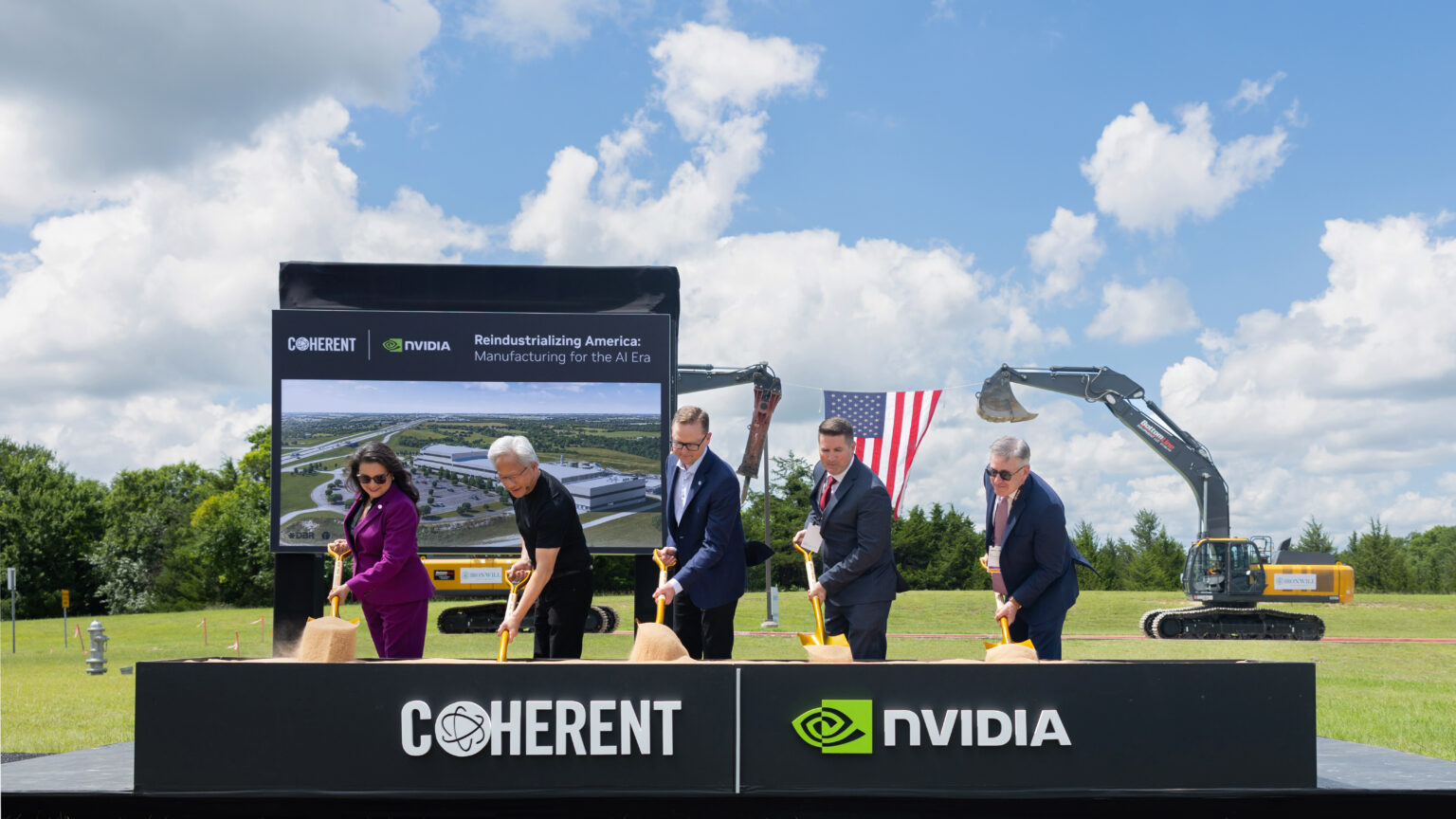
The implications are far-reaching. For global tech companies, Taiwan’s dominance in AI hardware production is no longer a secret. NVIDIA’s decision to establish a regional headquarters on the island is just one symptom of this shift—a clear indication that major players see long-term value in Taiwan’s capabilities. Yet, with savings piling up at such a rapid pace, questions about economic sustainability are bound to arise. Can a nation built on precision engineering and high-tech manufacturing sustain this level of capital accumulation without risking imbalance?
For those on the ground—PC builders, tech enthusiasts, and industry insiders—the impact is already tangible. The complexity of global supply chains has never been more apparent, with every component of an AI server or a cutting-edge GPU tracing back to Taiwan’s factories. This interdependence brings both opportunities and challenges: innovation thrives in an environment where efficiency is paramount, but so does the pressure to manage heat dissipation and performance bottlenecks that come with scaling up production.
The future will likely see this dynamic intensify. As AI continues to permeate industries, Taiwan’s role as a linchpin in the supply chain will only grow. The question isn’t whether this shift will continue—it’s how the industry will adapt to navigate its complexities while capitalizing on the opportunities it presents.