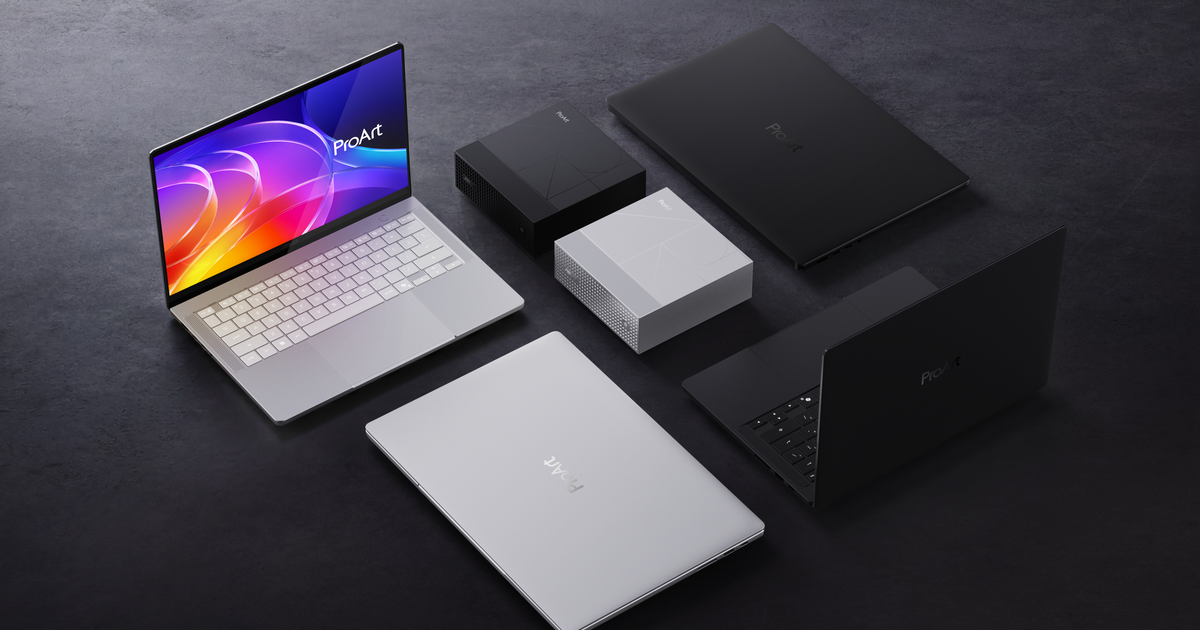
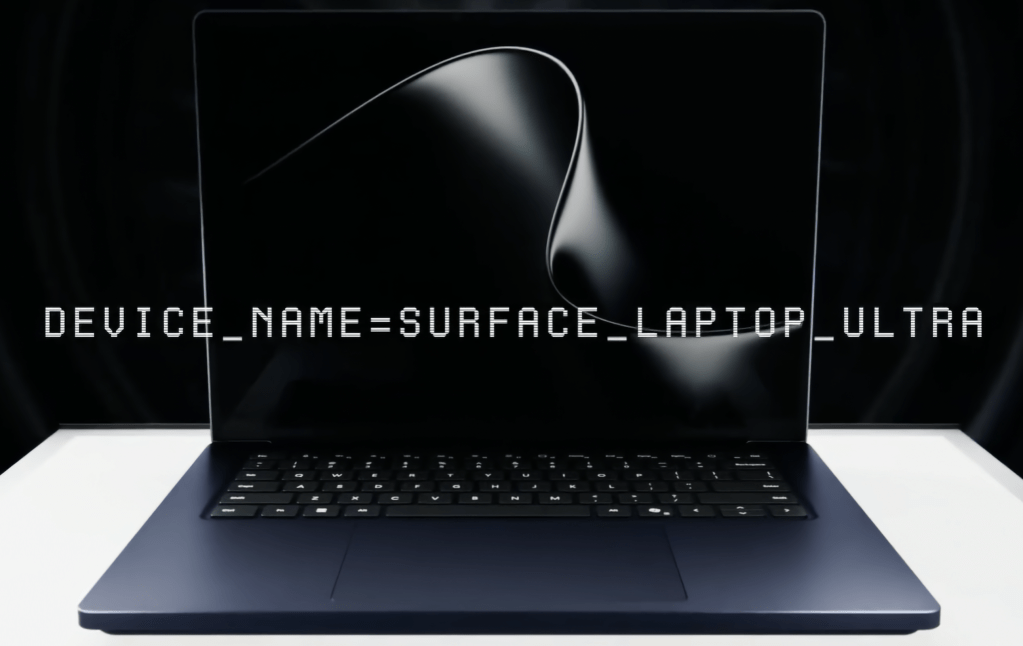
For creators who need power without bulk, the new Surface Laptop Ultra offers a compelling balance of portability and performance. Unlike its predecessors, which prioritized screen real estate over thickness, this version shaves off weight while maintaining a familiar design language—one that’s increasingly common in the ultraportable segment.
At the heart of the update is a shift toward efficiency. The device now measures just 0.62 inches thick and weighs 2.3 pounds (1 kg), making it lighter than many competing ultrabooks while still fitting a 14-inch or 15-inch display with a 3:2 aspect ratio. Under the hood, the 13th-generation Intel Core Ultra processors (previously codenamed Meteor Lake) deliver up to 20 percent better performance in multitasking workloads compared to last year’s models, though whether that translates into real-world gains for video editing or 3D rendering remains to be seen.
The display itself is a standout, featuring a 16:10 aspect ratio (up from the previous 3:2) with support for 120Hz refresh rates. This change could appeal to creators who work with both productivity apps and media-heavy tasks, though it comes at the cost of slightly reduced vertical screen space—a trade-off that may not sit well with those accustomed to the original layout.
Storage and memory options remain practical but unremarkable: 128GB or 256GB SSD base configurations paired with 8GB or 16GB LPDDR5X RAM. While sufficient for most workflows, it’s worth noting that neither option allows for expansion, which could limit long-term flexibility for users dealing with large project files.
Battery life is another area where the Ultra makes meaningful strides. Microsoft claims up to 14 hours of web browsing or video playback, a noticeable improvement over previous generations. However, real-world usage—especially under heavy workloads like rendering or live streaming—may not match these figures, as battery performance can vary significantly depending on software and background processes.
Where the Surface Laptop Ultra truly stands out is in its ecosystem integration. Windows 11’s latest updates, combined with Microsoft’s growing suite of creator tools (like Copilot+ PC for AI-assisted workflows), position this device as more than just hardware—it’s a platform designed to streamline everything from note-taking to complex project management. For creators already embedded in the Microsoft universe, this could be a strategic move worth considering.
Looking ahead, the biggest question is whether this iteration will shift the dynamic in the ultraportable market. While it doesn’t introduce groundbreaking innovations, it refines what’s already working: a thin, lightweight form factor with solid performance and strong software synergy. If Microsoft can sustain this balance without sacrificing durability or battery life under real-world conditions, it may well become a go-to choice for creators who value both mobility and productivity.