Enterprise users building high-performance workstations today may not need to worry about socket migrations for at least five more years. AMD’s latest move to extend Socket AM5 support through 2029 echoes the stability of its predecessor, AM4, which remained in production from 2017 to 2022. While this longevity is welcome, it also raises questions: Can AMD maintain performance-per-watt efficiency over a decade? Will thermal management keep pace with evolving demands?
What buyers might expect
The assumption is that Socket AM5 will follow the blueprint set by AM4—a five-year window for system designers to build around a single platform. If AMD sticks to its current trajectory, buyers can expect at least one new CPU generation annually, with compatibility guaranteed through 2029. However, this expectation hinges on unspoken variables: How many generations will fit into that timeline? Will power efficiency improve incrementally, or will thermal constraints force more aggressive cooling requirements?
What’s actually changing
The extension is clear-cut: AMD will continue producing AM5-compatible CPUs with at least one new generation arriving each year. The first wave, Zen 4, launched in late 2022, and future iterations like Zen 5 (expected late 2024) are expected to follow suit. Key specifications include
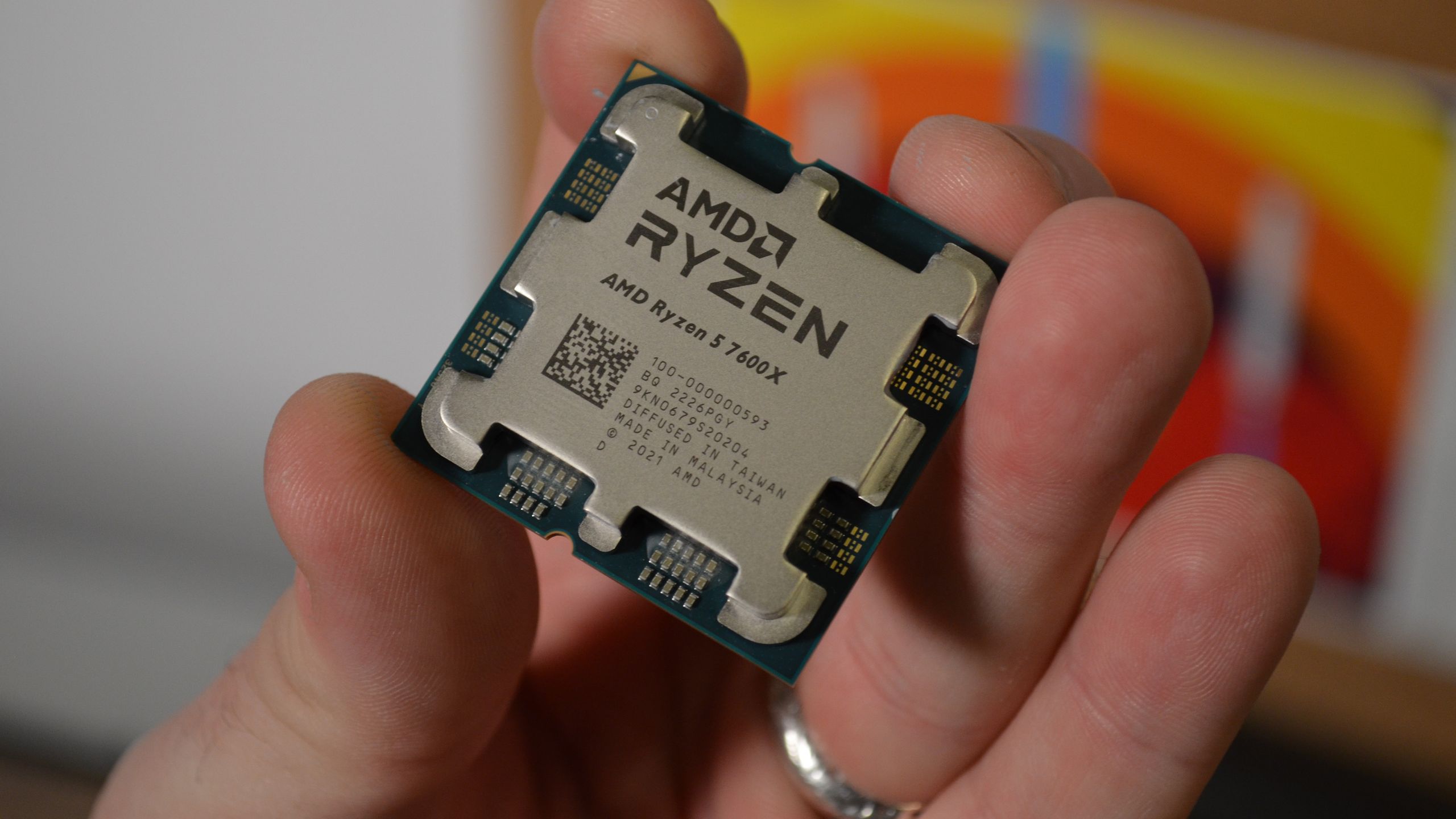
- Socket AM5: AMD’s latest desktop CPU platform
- Support window: Confirmed through at least 2029
- CPU generations: Zen 4 (2022), Zen 5 (late 2024), potential Zen 6/7 extensions
- Thermal design: TDP ranges from 65W to 170W, with cooling solutions optimized for multi-year use
The real uncertainty lies in power efficiency. AM4’s success was partly due to its ability to scale performance without proportional increases in power draw—a critical factor for data centers and workstations. If AM5 follows the same path, buyers could see a decade of incremental gains. But if thermal constraints or design shifts demand more aggressive cooling, the longevity advantage could become a cost burden.
What it means now
For enterprise customers, the extension is both an opportunity and a challenge. On one hand, they can plan hardware refreshes with greater confidence, avoiding premature socket migrations. On the other, they must consider whether today’s cooling and power solutions will remain viable by 2029—or if AMD’s roadmap will quietly shift toward more efficient but less compatible platforms.
A notable detail: AMD has reintroduced a legacy AM4 CPU, the Ryzen 7 5800X3D, into its lineup. This suggests the company is balancing backward compatibility with forward momentum. Whether this reflects stability or market fragmentation remains to be seen.
Where things stand now: AMD has set a long-term roadmap for Socket AM5, but without concrete details on performance-per-watt improvements or thermal constraints, enterprise buyers should proceed with cautious optimism—no promises, no surprises.