Microsoft’s Surface Laptop 6 and Studio 2 are getting a price bump that could leave enterprise buyers questioning value for money.
The most expensive configurations of both models will see an increase of up to $500, pushing the top-tier Studio 2 beyond the $3,000 mark. While Microsoft has not provided detailed explanations for the hike, industry observers suggest it reflects a shift in how the company positions its flagship devices—prioritizing premium features over aggressive price competition.
Key Changes and What They Mean
- Surface Laptop 6: Starting at $1,399 (up from $1,299), the entry-level model now includes a 13.5-inch display with a 1080p resolution, 16GB of RAM, and 512GB of SSD storage.
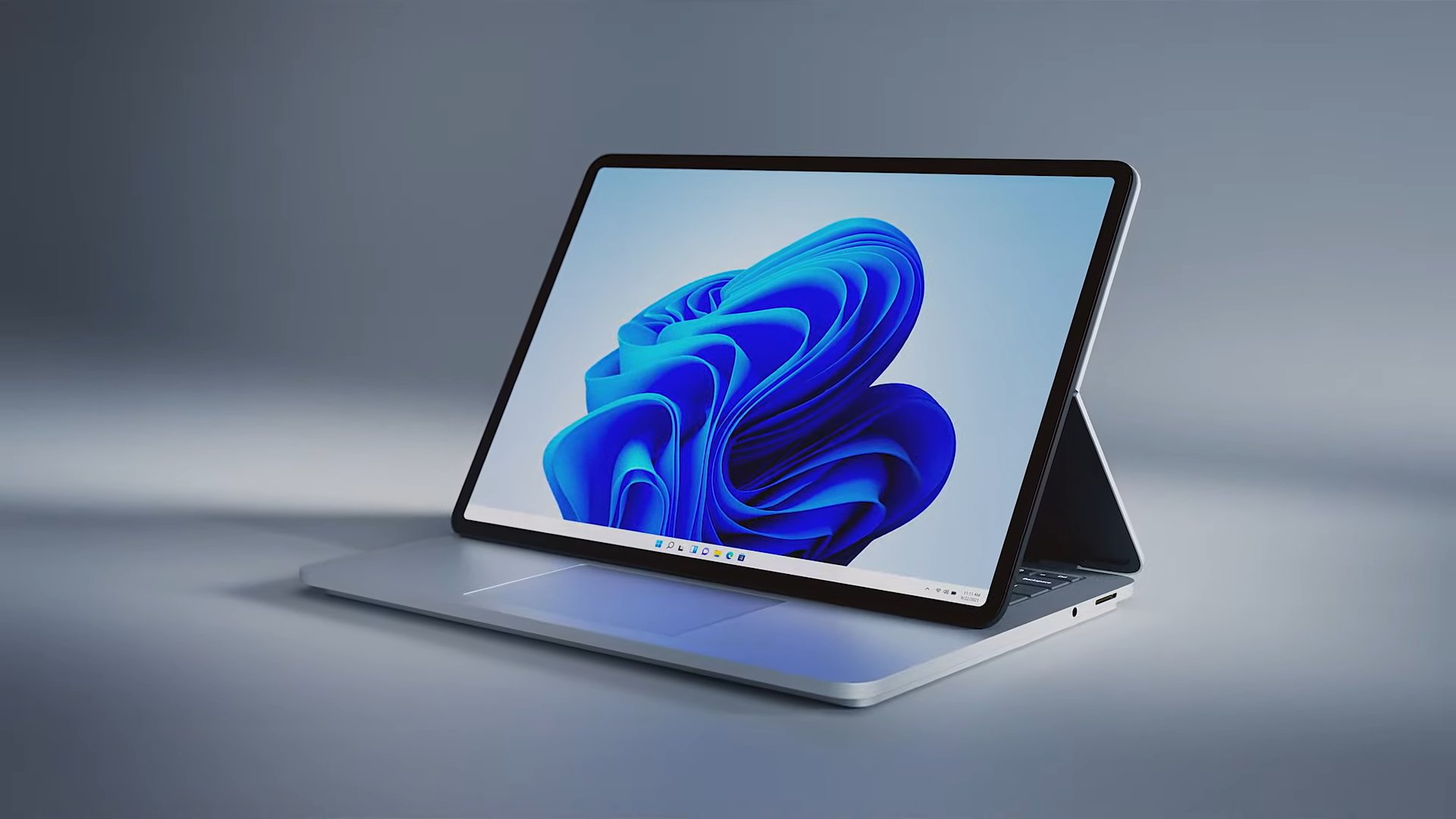
- Surface Studio 2: The top-tier configuration jumps to $3,499 (up from $2,999), featuring a 15-inch touchscreen with pen support, 32GB of RAM, and 1TB of SSD storage.
The increases apply globally, though regional pricing adjustments may vary. Microsoft has not confirmed whether this is a one-time adjustment or the start of more frequent price reviews for its Surface lineup.
Performance and Thermals: A Cautious Outlook
Enterprise buyers will want to consider how these price hikes align with actual performance improvements. While Microsoft’s 12th Gen Intel Core processors offer better efficiency, thermal management remains a concern—especially in sustained workloads. Early reports indicate that the Studio 2 can run warm under heavy loads, which may limit its appeal for long-duration tasks like video editing or 3D rendering.
For organizations focused on operational cost, the $500 jump on the Studio 2 is significant. If thermal throttling becomes a daily limitation, the premium may not justify the upgrade path for existing Surface users.
Competitive Landscape: Where Microsoft Stands
The price increase comes at a time when competitors like Dell and HP are refining their own premium laptop lines with more aggressive pricing. Microsoft’s move could narrow its lead in the high-end market, particularly if buyers perceive diminishing returns on the Surface Studio 2’s performance.
For now, potential buyers should weigh whether the added cost translates to tangible benefits—such as improved battery life or better thermal behavior—or if it simply reflects a broader shift toward premium positioning. Microsoft has not provided benchmarks or detailed comparisons, leaving room for skepticism about whether the price hike is warranted.
What Buyers Should Consider
- The Surface Laptop 6 and Studio 2 now represent a higher entry point, which may deter budget-conscious enterprises.
- Thermal performance remains an unproven variable—buyers should test under real-world workloads before committing.
- Competitors are not standing still; Dell’s XPS and HP’s Spectre lines continue to push the boundaries of what a premium laptop can deliver at a lower price point.
The bottom line for enterprise decision-makers is simple: this isn’t just a price increase—it’s an invitation to re-evaluate whether Microsoft’s flagship Surface devices still offer the best balance of performance, cost, and innovation. Without clear evidence that the premium delivers measurable improvements, buyers may find themselves paying more without getting significantly more.