ARM has unveiled a groundbreaking AGI CPU designed to tackle the demands of advanced AI workloads and next-generation telecommunications infrastructure. The new architecture promises significant advancements in efficiency, heat management, and performance—key factors for data centers and telecom networks scaling agentic AI.
The partnership with SK Telecom and Rebellions signals a strategic shift toward integrating ARM’s CPU innovations directly into real-world deployments. While details remain limited, the focus on AGI (Agentic General Intelligence) suggests a move beyond traditional AI acceleration, targeting systems that operate autonomously while optimizing power consumption—a critical need as data centers and telecom gear grow more complex.
Unlike previous ARM offerings, this CPU is positioned to address the unique thermal and computational challenges of agentic AI. Early benchmarks hint at performance gains in inference tasks, though long-term real-world impact will depend on how developers leverage its capabilities. The collaboration with SK Telecom also hints at potential telecom-specific optimizations, such as reduced latency in network processing.
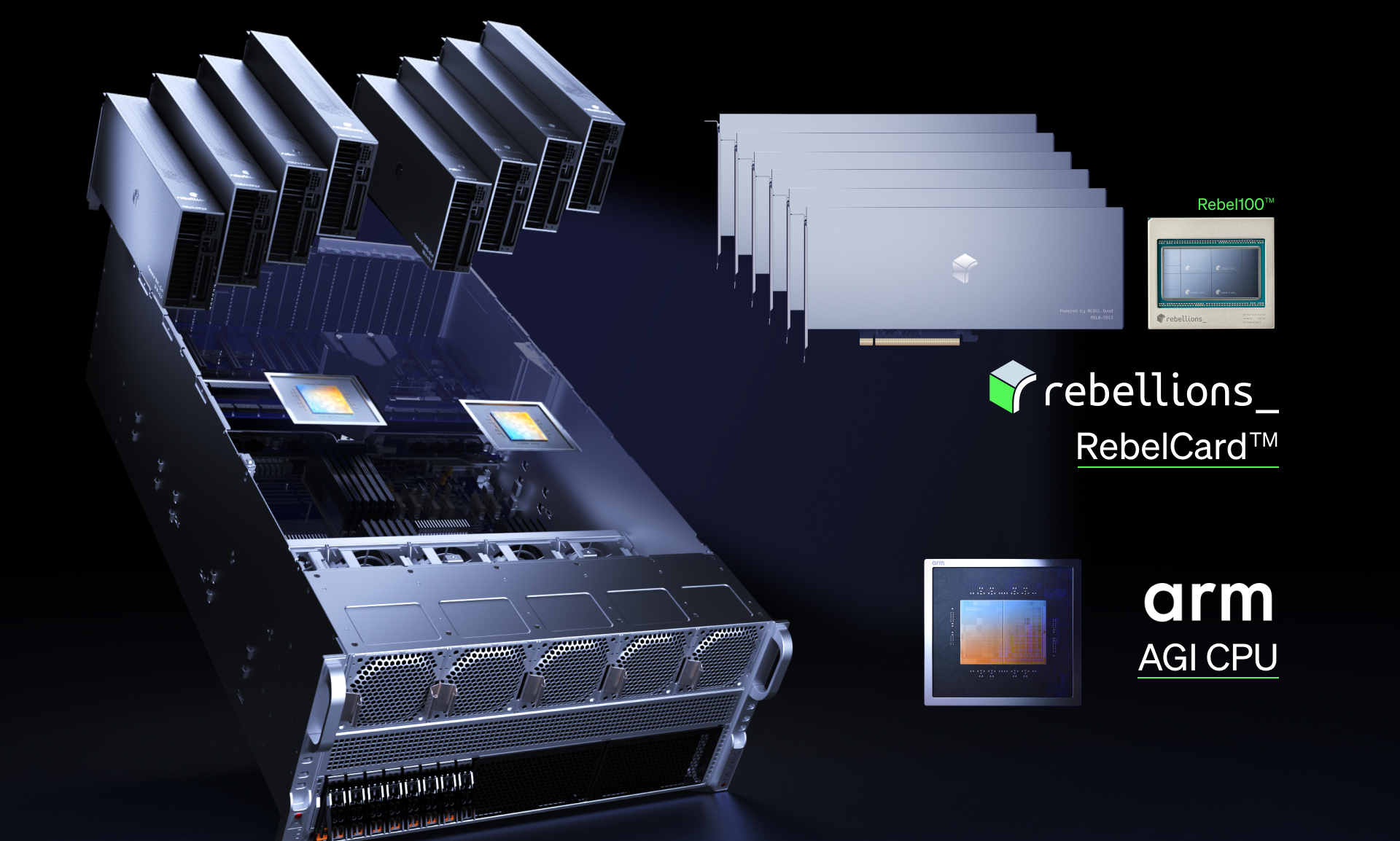
- Key Specs:
- Architecture: AGI-focused CPU (exact details under NDA)
- Performance: Optimized for inference-heavy workloads
- Power Efficiency: Targeted improvements in heat management
- Partners: SK Telecom, Rebellions (telecom and AI infrastructure focus)
The AGI CPU’s real advantage may lie in its balance between raw performance and thermal efficiency—a tradeoff that has long plagued high-end AI hardware. That’s the upside; here’s the catch: without clear benchmarks or a confirmed roadmap, it’s still unclear how this will stack against established players like NVIDIA or AMD. For now, ARM is positioning it as a bridge between today’s AI needs and tomorrow’s autonomous systems.
If successful, this could mark a turning point for ARM in the telecom and AI sectors, where efficiency often trumps raw speed. The focus on agentic AI also suggests a long-term play, one that may not yield immediate results but could redefine how networks and AI models interact in the coming years.