Vertical videos, once confined to mobile apps like TikTok and Instagram, are now being considered by major streaming platforms for their larger-screen offerings. Netflix and Disney+ are evaluating the format as a way to increase daily user interaction, but the move has sparked debate over whether it’s an effective strategy or a misstep that could frustrate viewers.
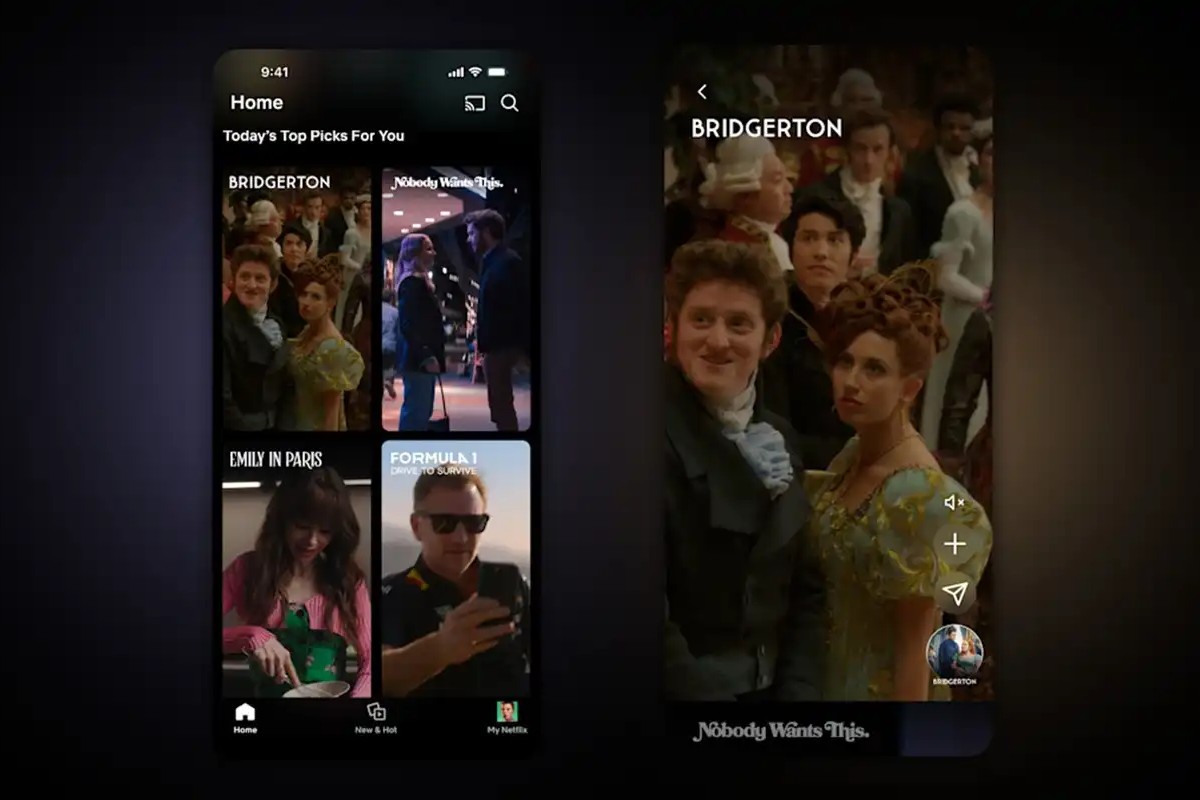
The push toward vertical content on big screens is part of a broader trend among streaming services to mimic the addictive nature of short-form mobile video. Disney+ has already signaled interest in adopting the format, while Netflix is reportedly testing vertical shorts as part of a mobile app redesign. The goal, according to insiders, is to create more dynamic and engaging entry points for users—whether through podcast clips or teasers for upcoming shows.
However, the idea of vertical videos on large screens remains controversial. Critics argue that the format feels inherently mismatched with traditional television viewing, where immersion and scale are key. The experience of watching a short, fleeting video on an 80-inch display—something better suited to quick, private consumption on a phone—seems jarring, if not outright counterintuitive.
This isn’t the first time streaming services have experimented with vertical content. Quibi, which launched in 2020 with high ambitions for dramatic mobile-first shorts, collapsed within six months despite burning through $1.7 billion in funding. While Roku later acquired and rebranded some of Quibi’s library, the experiment ultimately proved unsustainable, suggesting that vertical video may not translate well to a broader audience when taken out of its natural mobile context.
For Netflix and Disney+, the stakes are higher than ever. Both platforms have built their reputations on long-form content—movies, TV series, and in-depth storytelling—that demands attention and screen real estate. Introducing vertical shorts could disrupt that experience, potentially confusing users or diluting the premium feel of their services. The question isn’t just whether viewers will tolerate it, but whether they’ll embrace it as a meaningful addition—or reject it outright.
Despite the risks, the pressure to innovate is undeniable. Mobile video consumption continues to dominate, and streaming giants are under constant pressure to adapt. Whether this experiment succeeds or fails, one thing is clear: the battle for user engagement is no longer just about content quality—it’s also about how that content is delivered.