AMD is deepening its collaboration with Taiwanese partners through a $10 billion investment, focusing on advanced packaging solutions that will shape the future of AI infrastructure. The initiative targets technologies like wafer-based 2.5D bridge interconnects, which are critical for improving bandwidth and power efficiency in data centers.
This partnership extends beyond silicon development, emphasizing ecosystem integration with firms such as ASE, SPIL, and PTI to refine Elevated Fanout Bridge (EFB) technology. The first panel-based EFB interconnect has already been validated, paving the way for large-scale AI deployments that demand higher performance without proportional power increases.
Key Innovations in AI Hardware
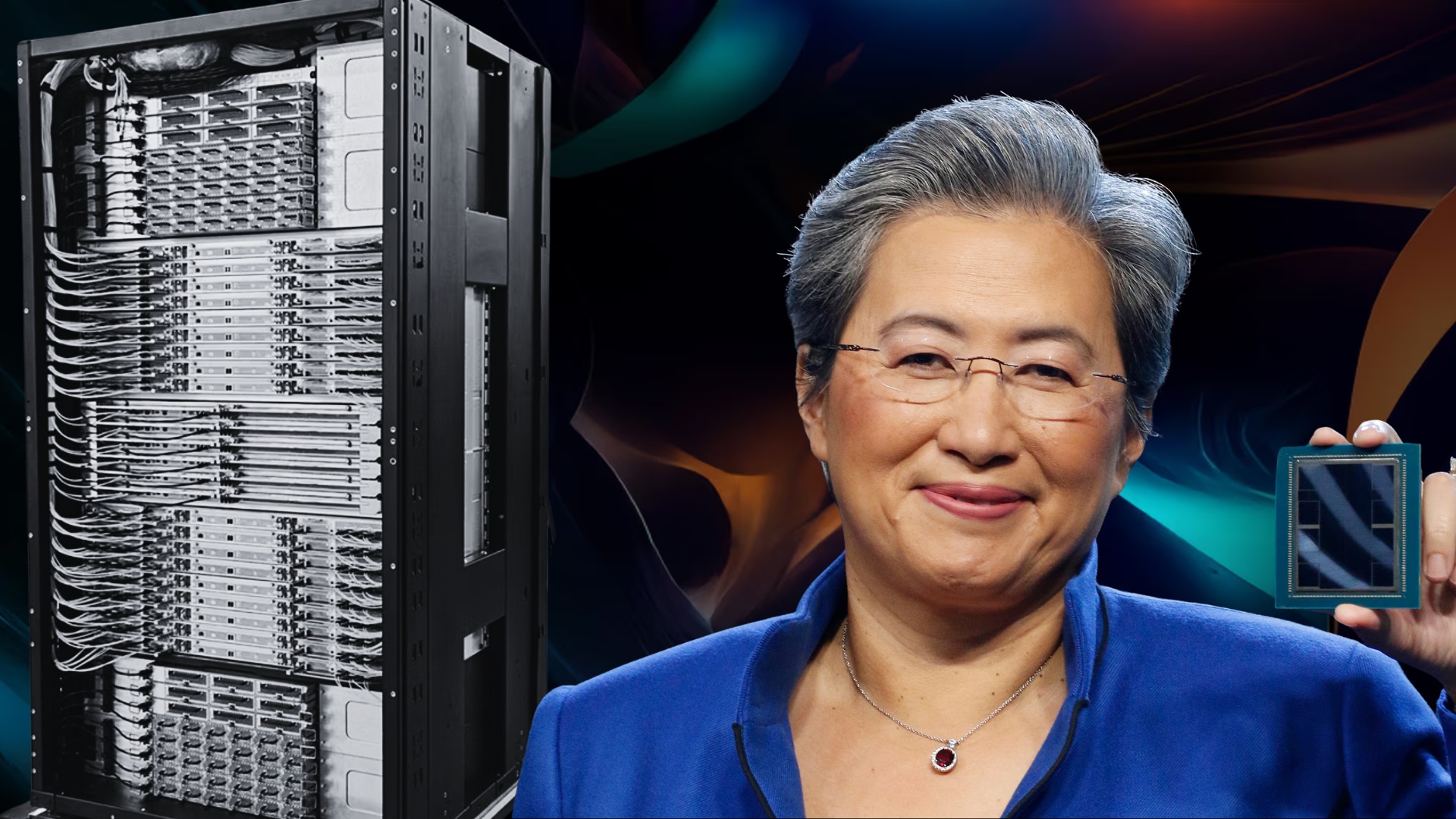
The advancements are set to underpin AMD’s upcoming Helios platform, expected in late 2026. This platform will combine AMD Instinct MI450X GPUs with 6th Gen EPYC CPUs and advanced networking, all supported by a unified ROCm software stack.
- AMD Instinct MI450X GPUs: Engineered for AI workloads with optimized memory capacity and bandwidth.
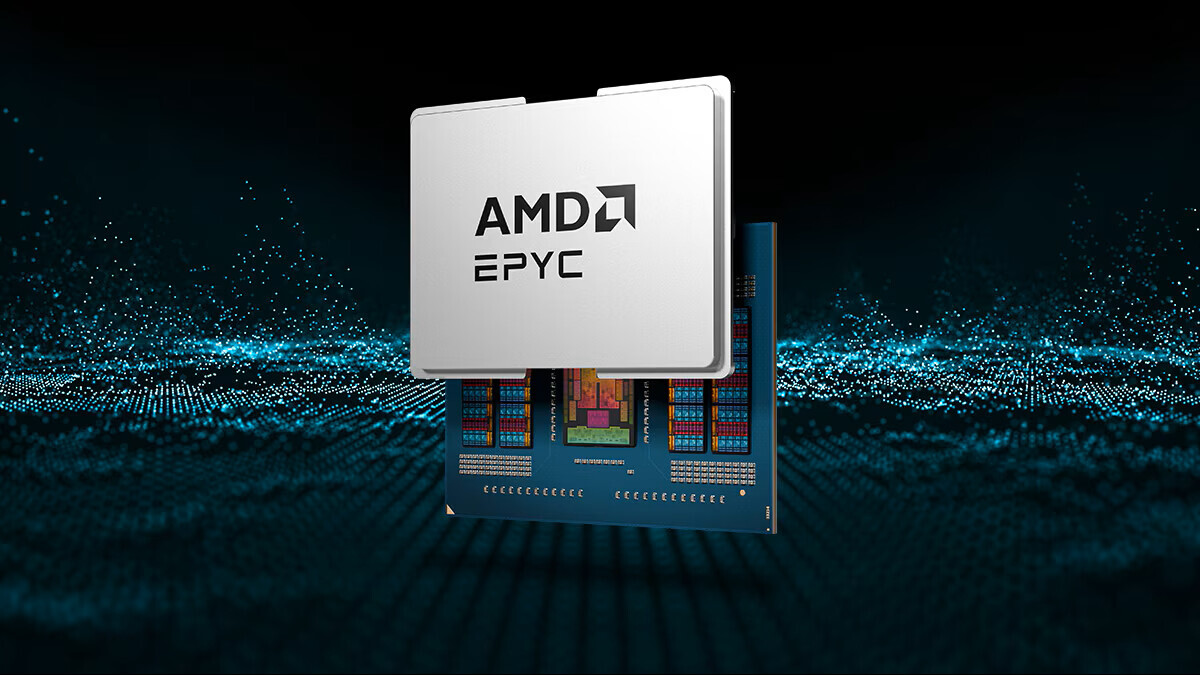
- 6th Gen EPYC CPUs: Built on a 2 nm process for core compute, complemented by a 3 nm I/O die to enhance efficiency.
- ROCm stack: An open software platform ensuring seamless compatibility across the ecosystem.
The design prioritizes power efficiency while maintaining performance, addressing one of the biggest challenges in AI infrastructure. Early feedback from partners indicates that this balance is achievable, though production-scale validation remains a critical step.
Market Implications and Future Outlook
The investment also aims to prepare supply chains for high-volume demands, particularly as GPUs like the RTX 5090—rumored to reach $5,000 due to surging AI demand—enter the market. The focus is on scaling these innovations before broader adoption, ensuring that data centers can handle larger, more complex AI workloads without compromising efficiency.
For IT teams, the next phase will determine whether these packaging breakthroughs deliver tangible improvements in deployment speed and power costs. While the industry continues to push for more advanced AI systems, the success of this initiative hinges on execution and scaling—factors that will define the trajectory of AI infrastructure in the coming years.