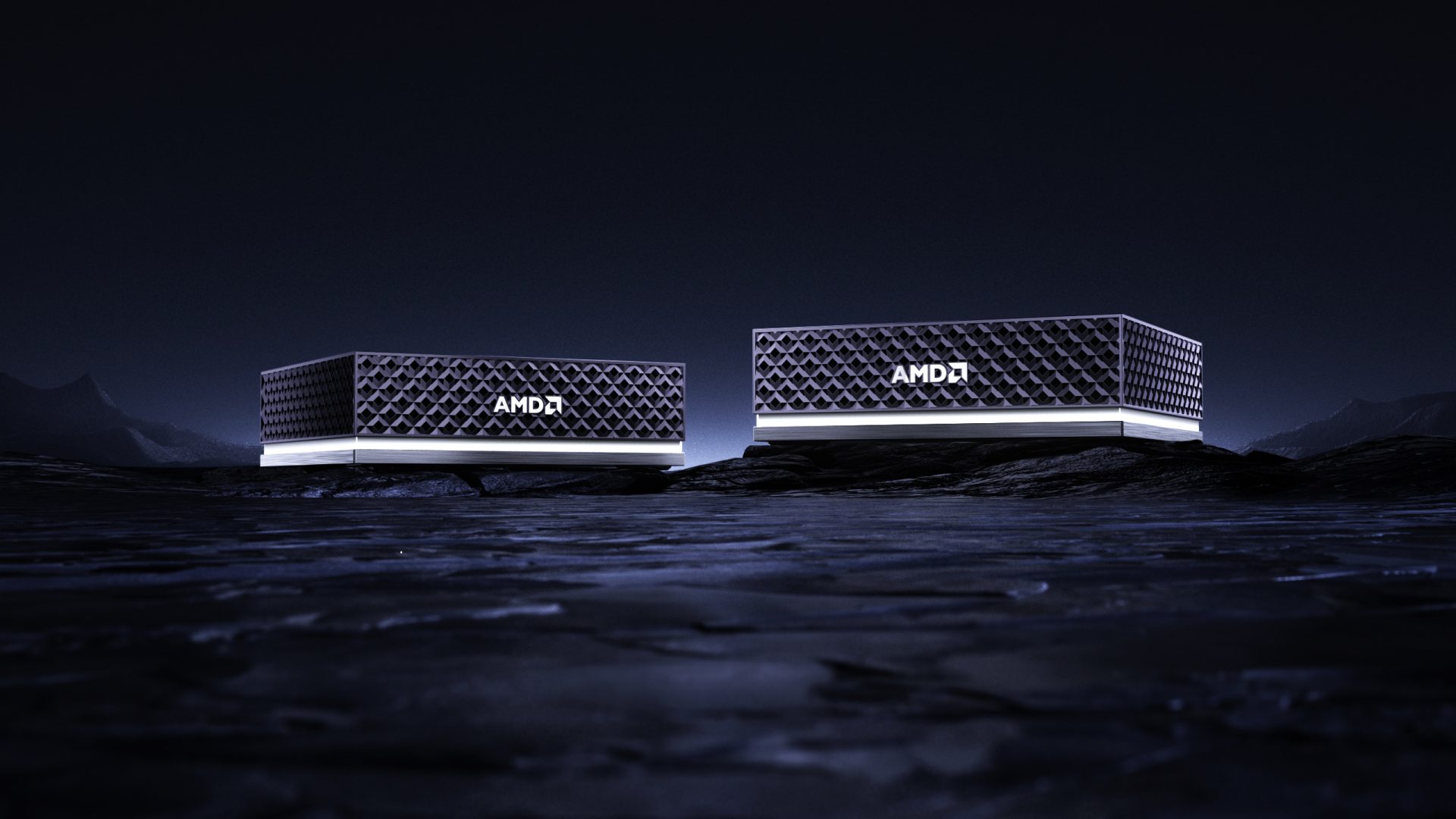
When AMD unveiled its Ryzen AI Halo Dev Platform, it didn’t just introduce another piece of hardware—it presented a full rethinking of how AI development should work. Unlike NVIDIA’s Spark, which leans heavily on proprietary acceleration and premium pricing, the Halo platform prioritizes openness and efficiency. For organizations tired of vendor lock-in or hesitant to invest in high-cost AI infrastructure, this could be a game-changer.
The Halo is built around AMD’s latest Ryzen 9004-series CPU and RDNA 3-based GPU, with CDNA 3 acceleration tailored for AI workloads. This combination allows developers to run complex data tasks without sacrificing performance—something that, in benchmarks, often matches or even exceeds NVIDIA’s offerings. The platform includes up to 128GB of DDR5 memory (with ECC support) and 4TB of PCIe Gen 5 storage, ensuring smooth operation for large-scale datasets.
Key Specifications
- CPU: Ryzen 9004-series (up to 16 cores, 32 threads)
- GPU: RDNA 3 with CDNA 3 AI acceleration
- Memory: Up to 128GB DDR5-6400 (ECC-enabled)
- Storage: 4TB PCIe Gen 5 SSD (expandable)
- Connectivity: Dual 10Gb Ethernet, dual Thunderbolt 4 ports
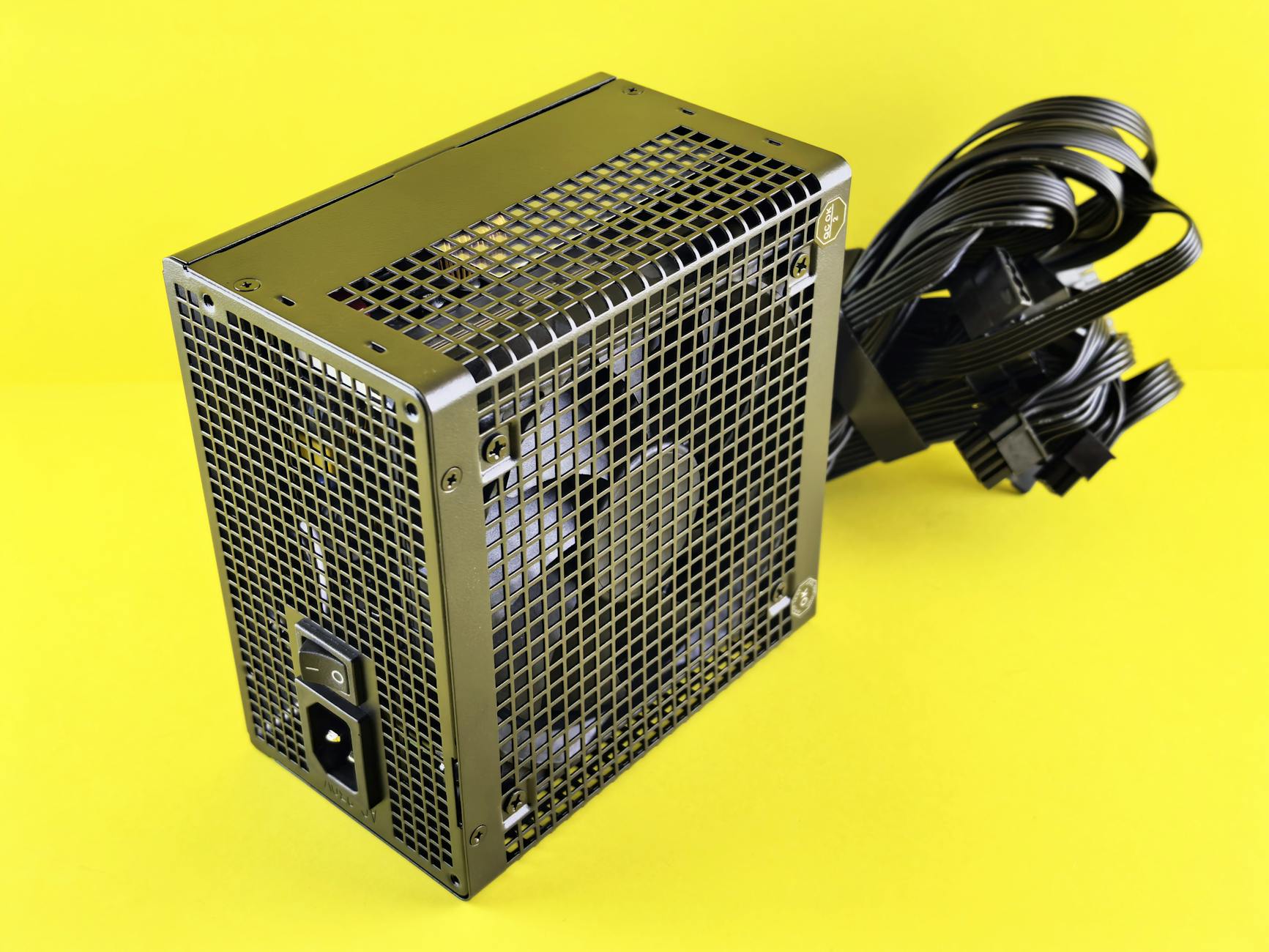
- Power: 650W TDP for sustained AI workloads
The $3999 price tag is where the Halo stands out. AMD claims this investment can be recouped in as little as six months, depending on workload intensity—something that’s rare in enterprise hardware. Compared to NVIDIA’s Spark, which starts at nearly double the cost with no clear performance edge in all scenarios, the Halo offers a more accessible entry point without compromising capability.
Real-World Takeaways
The biggest question for potential buyers is compatibility. AI frameworks and libraries are often optimized for NVIDIA’s ecosystem, which could create friction for developers migrating to AMD’s platform. However, AMD’s push toward standardizing its CDNA architecture could accelerate adoption if developers see tangible benefits in stability or cost savings.
For teams working on AI training or inference, the Halo’s open ecosystem is a standout feature. It avoids the proprietary constraints of NVIDIA’s CUDA, allowing for more flexibility in software choices and future-proofing against potential API changes. This could be especially appealing for enterprises that want to avoid being tied to a single vendor’s roadmap.
Who Should Care
The Ryzen AI Halo Dev Platform is designed for organizations that need high-performance AI capabilities but are constrained by budget or frustrated with the cost of NVIDIA’s solutions. Developers, research institutions, and enterprises looking to modernize their infrastructure without breaking the bank will find this platform a strong contender.
For those already deep in NVIDIA’s ecosystem, switching may require effort, but for new projects or teams seeking an alternative, the Halo offers a compelling blend of performance, efficiency, and cost. If AMD can narrow the compatibility gap while maintaining its performance claims, it could reshape the AI development landscape—one that currently favors NVIDIA by default.