Steam has once again redefined the boundaries of digital gaming, achieving a milestone that underscores both its market dominance and resilience. On January 11, 2026, the platform recorded an unprecedented 42 million simultaneous users online, surpassing its previous peak of 41.6 million set in October 2025. This latest surge not only cements Steam's position as the leading hub for PC gamers but also signals a broader trend of sustained growth that shows no signs of slowing.
The journey to this record is rooted in a trajectory that accelerated dramatically during the pandemic. In March 2020, when global lockdowns forced millions indoors, Steam had just 20 million concurrent users. What began as a temporary spike—with the platform's user base growing by 31.5% that year alone—has evolved into a more permanent shift in gaming behavior. Since then, annual growth has stabilized at around 13%, proving that the appeal of PC gaming is not just a fleeting trend but a lasting cultural shift.
Behind this record lie multiple factors that distinguish Steam from its competitors. Unlike other digital stores, which have struggled to translate user numbers into revenue, Steam's financial performance has mirrored its growth in scale. December 2025 was the platform's most lucrative month ever, with earnings exceeding $1.6 billion—a figure that represents a 22.7% increase over the previous year and surpasses even the pandemic-driven peak of 2020.

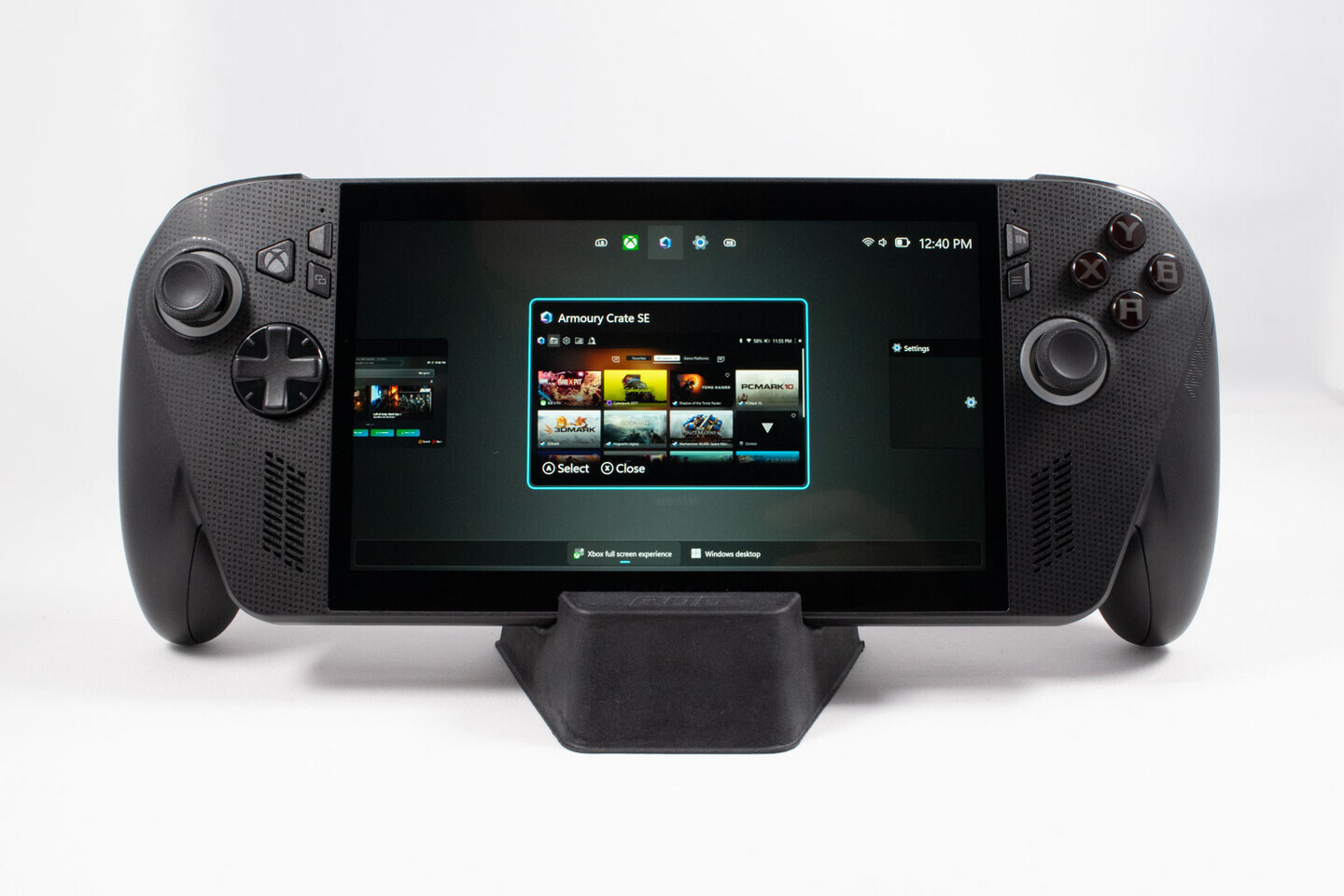
This financial success is not an anomaly but a result of a diversified ecosystem. At its core are titles with dedicated player bases, such as Counter-Strike 2, which continues to draw millions daily, alongside newer hits like Baldur's Gate 3 and Palworld. These games, combined with Steam's extensive library, create a self-sustaining cycle of engagement. But the platform's ambitions extend beyond software; its foray into hardware, particularly the Steam Deck, has further expanded its reach. The portable device, now a staple in many gamers' collections, allows users to access their Steam libraries anywhere, blurring the lines between desktop and handheld gaming.
For competitors like Epic Games Store, which has also seen increases in user numbers, converting those visitors into consistent revenue remains a challenge. Steam's ability to sustain both growth and profitability—while continuously innovating—sets it apart in an increasingly crowded market. As the platform continues to break records, its influence on PC gaming appears as strong as ever.