A significant overhaul is underway in the Steam Community Market, where users can now expect a more detailed and navigable experience when browsing or listing in-game items. The latest updates focus on expanding item listings, refining search mechanics, and introducing smarter filtering options, all designed to address the growing complexity of virtual economies within games.
One of the most notable changes is the expansion of individual item listings. Users can now include more images, longer descriptions, and additional notes—particularly useful for items with attached accessories or custom attributes. This shift toward richer listings is intended to provide buyers with a clearer understanding of what they’re purchasing, reducing ambiguity in transactions that often involve rare or modified assets.
Search functionality has also seen meaningful improvements. Instead of the traditional scroll-through approach, users can now flip through search results, offering a more interactive way to navigate large datasets. This change is particularly relevant for markets with thousands of listings, where efficiency in discovery becomes critical. Additionally, filtering has been enhanced to surface items based on unique properties, such as rarity or attached accessories, making it easier to pinpoint specific assets without sifting through irrelevant entries.
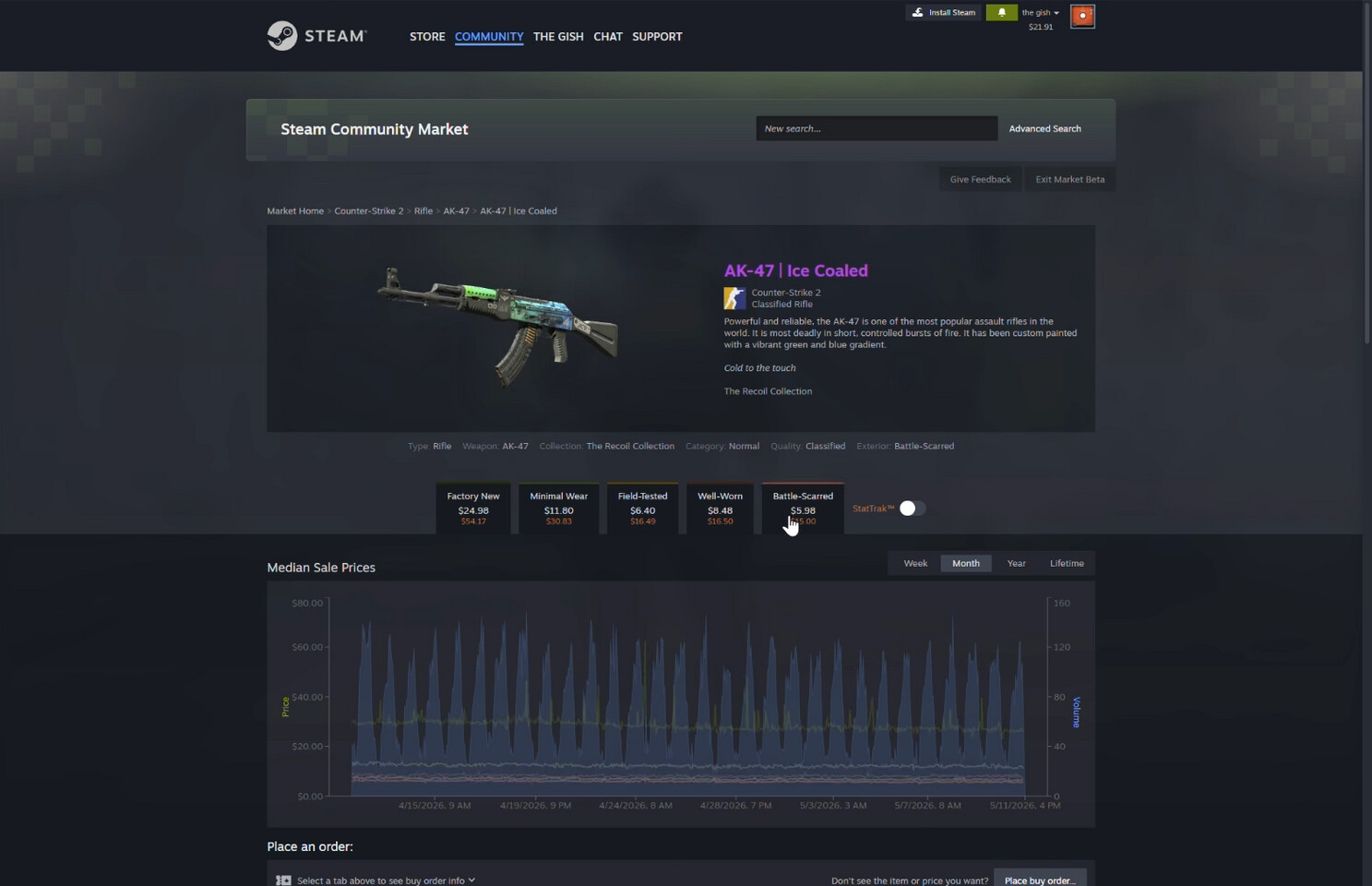
Under the hood, these updates are supported by wider item pages that better utilize screen space and price graphs capable of grouping multiple datasets. While the changes are still in beta, they represent a deliberate effort to modernize the market’s infrastructure, ensuring it scales with the increasing volume of transactions across Steam’s vast library.
For creators, this update introduces both opportunities and considerations. Larger listings allow for more detailed storytelling around items, but it also means users must invest more time in crafting compelling descriptions and visuals to stand out. Meanwhile, buyers benefit from a more intuitive way to refine searches, though the effectiveness of these tools will depend on how consistently developers adopt them across games.
One lingering question is whether these improvements will extend to other aspects of Steam’s ecosystem, such as trade policies or item verification processes. While the focus here is on usability and discovery, the long-term impact could ripple into broader market dynamics if Valve chooses to refine additional layers of functionality in future updates.