Bethesda Game Studios’ journey with Starfield has exposed gaps in how game engines interact with modern hardware, particularly around memory and performance. While the game delivered on its ambitious vision of a living galaxy, the development process revealed that current tools are not optimized for the scale Bethesda envisioned—especially when it comes to dynamic memory allocation and multi-threaded workloads.
This shift in perspective is already influencing how Bethesda plans to build future titles. The studio now aims to design games that can leverage a wider range of hardware configurations, from high-end desktops with 128 GB of RAM down to mid-range systems with half that capacity. This flexibility is not just about meeting minimum requirements; it’s about ensuring that players on different tiers of hardware can experience the game without compromising on visual fidelity or performance.

Key Details: A New Approach to Scalability
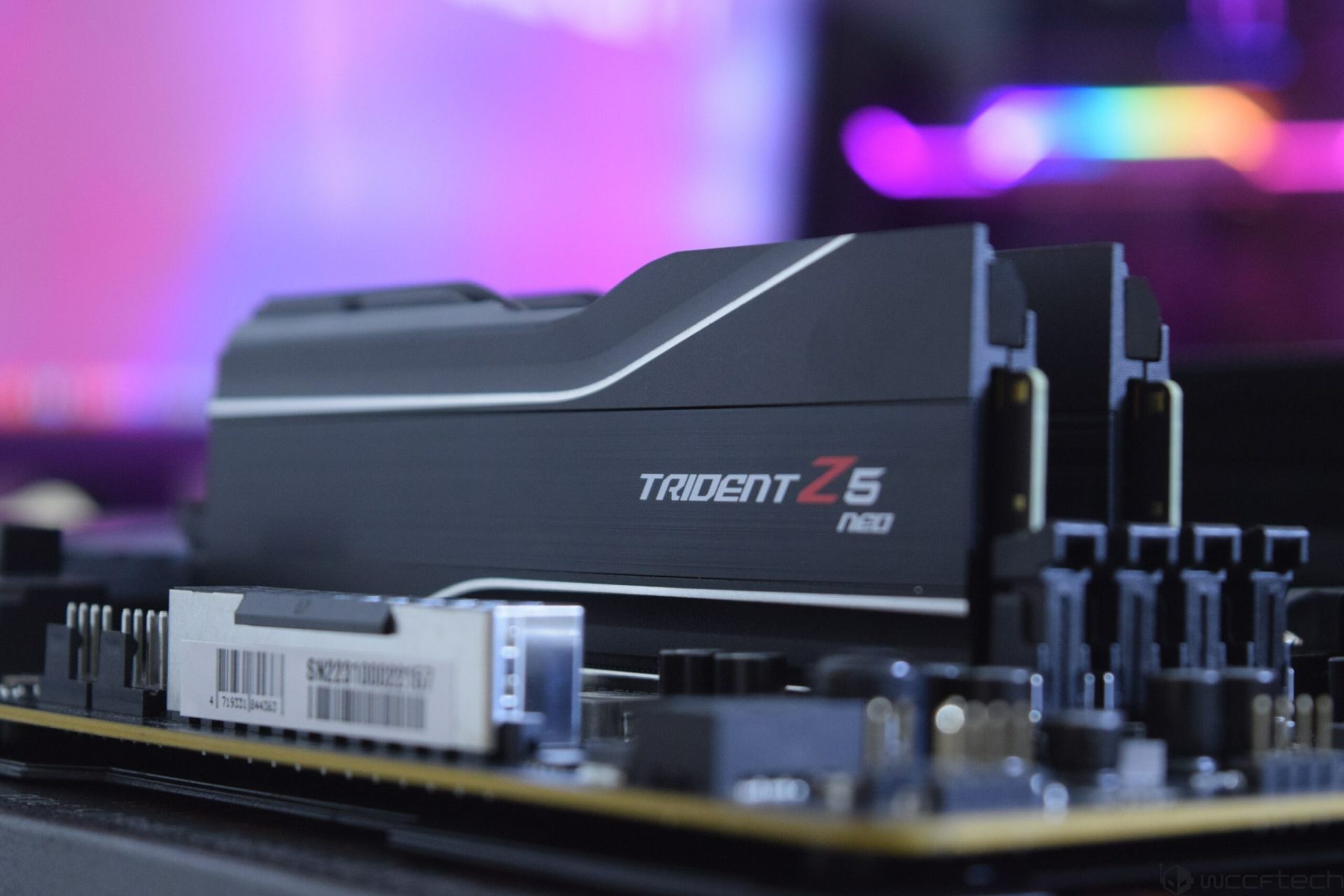
- Memory and Performance: Starfield was designed with a target of 128 GB RAM, but Bethesda now recognizes that this is not a universal standard. Future games will be engineered to work effectively on systems with as little as 64 GB RAM, while still delivering high-quality visuals.
- Multi-Threaded Optimization: The development team has identified bottlenecks in how multi-threaded workloads are managed across different CPU architectures. Addressing these issues will be a priority for Bethesda’s next-generation projects, including The Elder Scrolls VI.
- Hardware Diversity: Unlike previous titles that were tightly optimized for specific hardware setups, future Bethesda games will incorporate adaptive rendering techniques to dynamically adjust based on the system’s capabilities. This includes support for both AMD and Intel CPUs, ensuring broader compatibility without sacrificing performance.
Why It Matters: Future-Proofing for Developers
The implications of this shift are significant for enterprise buyers in the gaming hardware market. Companies that provide data centers or cloud gaming solutions will need to account for these changes, particularly when it comes to memory-intensive workloads and multi-threaded processing. Bethesda’s new strategy could also set a precedent for how other studios approach hardware scalability, potentially leading to more standardized development practices across the industry.
What to Watch Next
While Bethesda has outlined its broader goals, specific details about how these changes will be implemented in The Elder Scrolls VI remain unclear. The studio has not confirmed whether the game will adopt a more modular approach to memory management or if it will rely on traditional rendering techniques with adaptive scaling. However, one thing is certain: the lessons learned from Starfield will shape the future of Bethesda’s development pipeline, making this an area to monitor closely for those invested in next-generation gaming hardware.