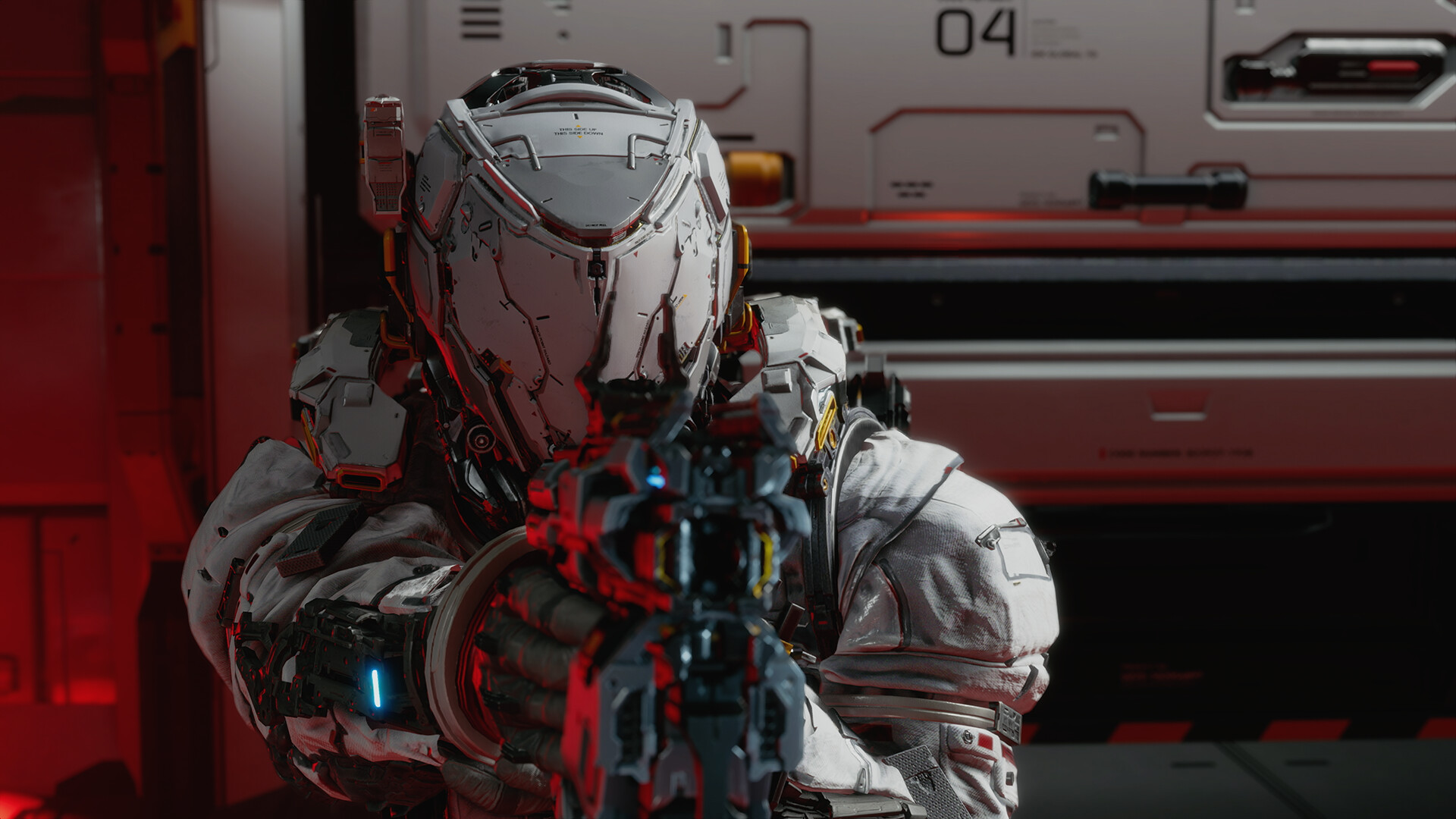
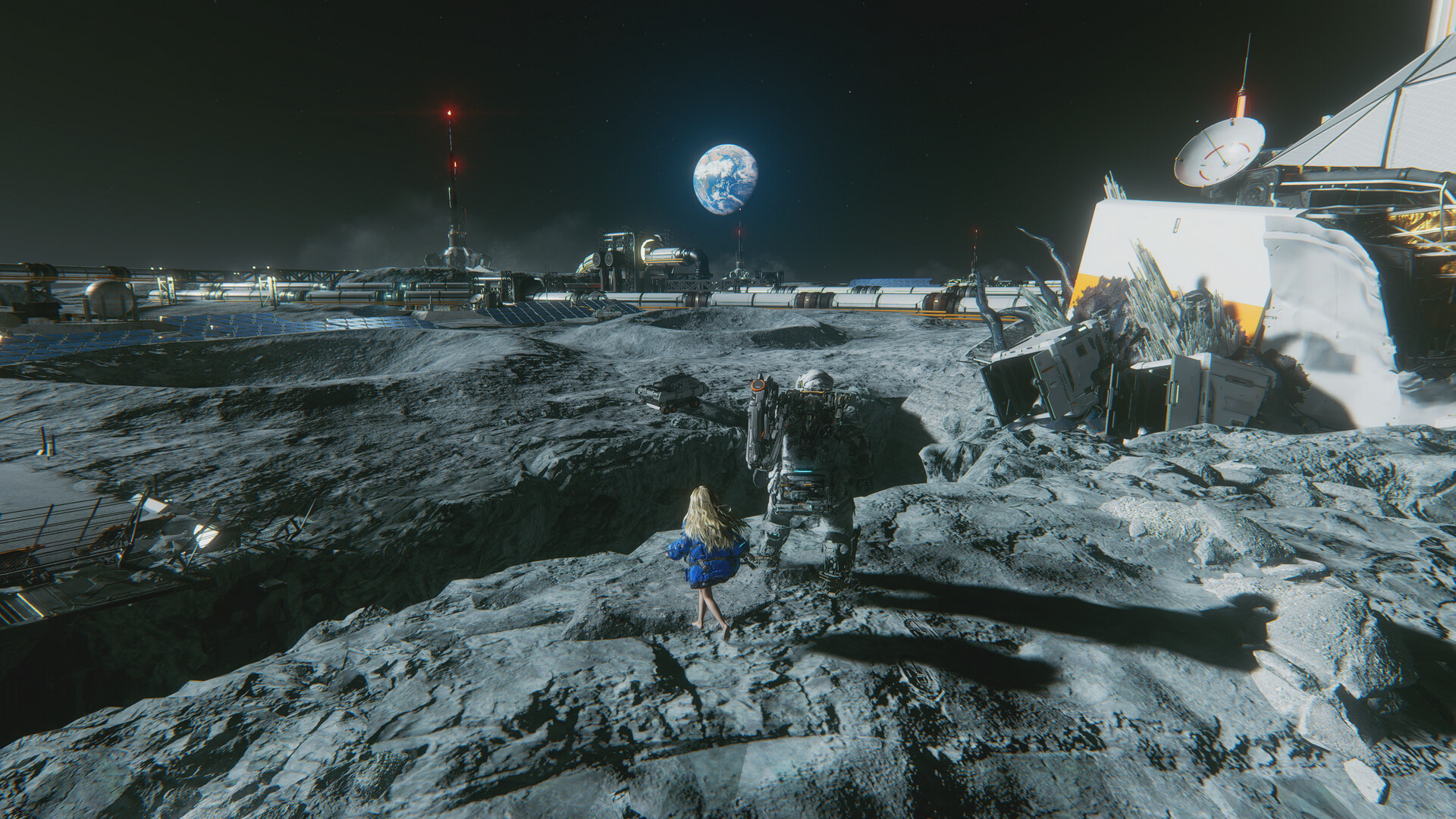
The space simulation genre is about to get a major upgrade. Next month, an early-access version of Spacecraft will arrive, promising a level of detail and interactivity that could shift how players engage with orbital environments. The game’s core appeal lies in its blend of exploration and construction—players won’t just traverse the void; they’ll design, build, and deploy their own spacecraft, all while navigating the complexities of orbital mechanics.
This isn’t just another incremental step in space sims. Spacecraft introduces a physics engine that models real-world orbital dynamics with precision, allowing players to manipulate gravity, velocity, and mass distribution in ways that feel authentic yet accessible. The early-access version will serve as a testbed for these systems, giving developers a chance to refine mechanics before the full release. For enterprise buyers—particularly those in aerospace training or simulation software—the implications are significant. A robust, modular engine could position Spacecraft as more than a game; it could become a tool for prototyping and testing orbital maneuvers at scale.
What’s Under the Hood
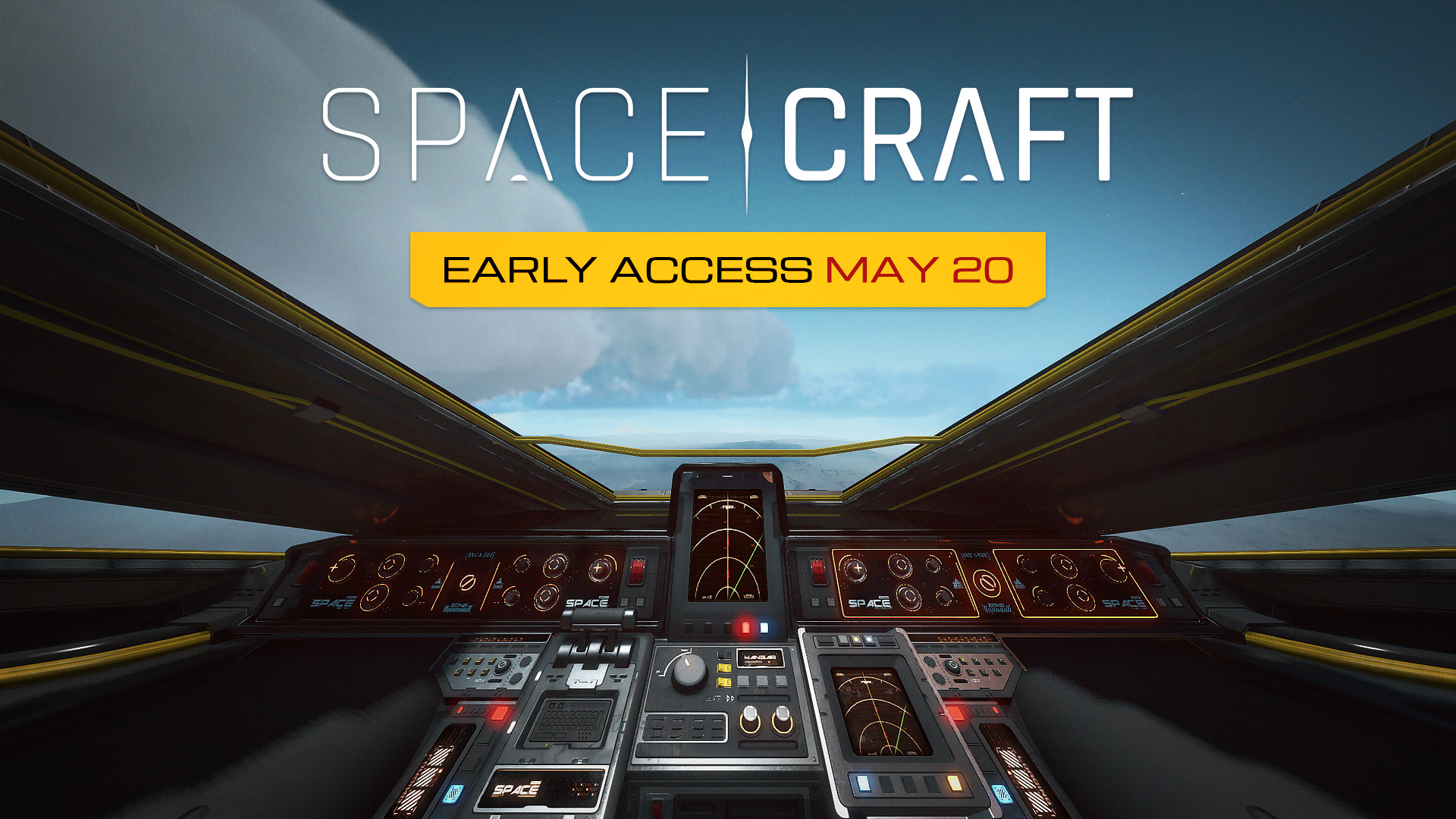
The game’s architecture is built around three pillars: a high-fidelity physics core, a flexible construction system, and a dynamic environment that responds to player actions. The physics engine, for instance, handles orbital mechanics with a precision that rivals professional-grade simulations, though optimized for real-time gameplay. That’s the upside—here’s the catch: early-access players will need powerful hardware to run it smoothly. The recommended specifications include 16 GB of RAM and an NVIDIA RTX 3080 or better, which suggests this won’t be a lightweight experience.
Key Specs
- Physics Engine: Real-time orbital mechanics with gravity, velocity, and mass modeling.
- Construction System: Modular spacecraft design with drag-and-drop components.
- Graphics: High-resolution textures, dynamic lighting, and procedural environments.
- System Requirements (Early Access):
The hardware demands reflect a focus on immersion over accessibility. The game’s construction system, however, is where its potential as both entertainment and a simulation tool becomes clear. Players can assemble spacecraft from pre-built modules or design custom components, with the engine handling stability and aerodynamics in real time. This level of interactivity is rare outside niche engineering software, making Spacecraft an outlier in the space sim market.
What It Means for Buyers
For enterprise buyers, particularly those in aerospace or defense, the early-access phase will be critical. The game’s physics engine isn’t just for show; it’s designed to be a sandbox for testing orbital mechanics without the overhead of traditional simulation software. That could make it an attractive option for training programs or rapid prototyping. However, the hardware requirements mean this won’t replace high-end workstations anytime soon—it’s more of a complementary tool.
Availability remains a question mark. The early-access launch is set for next month, but no pricing has been confirmed. If past trends hold, it’ll likely be positioned as a premium title, given the depth and ambition of its mechanics. For now, players and buyers should brace for a steep learning curve and high system costs—but if the engine lives up to its promise, that investment could pay off in ways beyond entertainment.