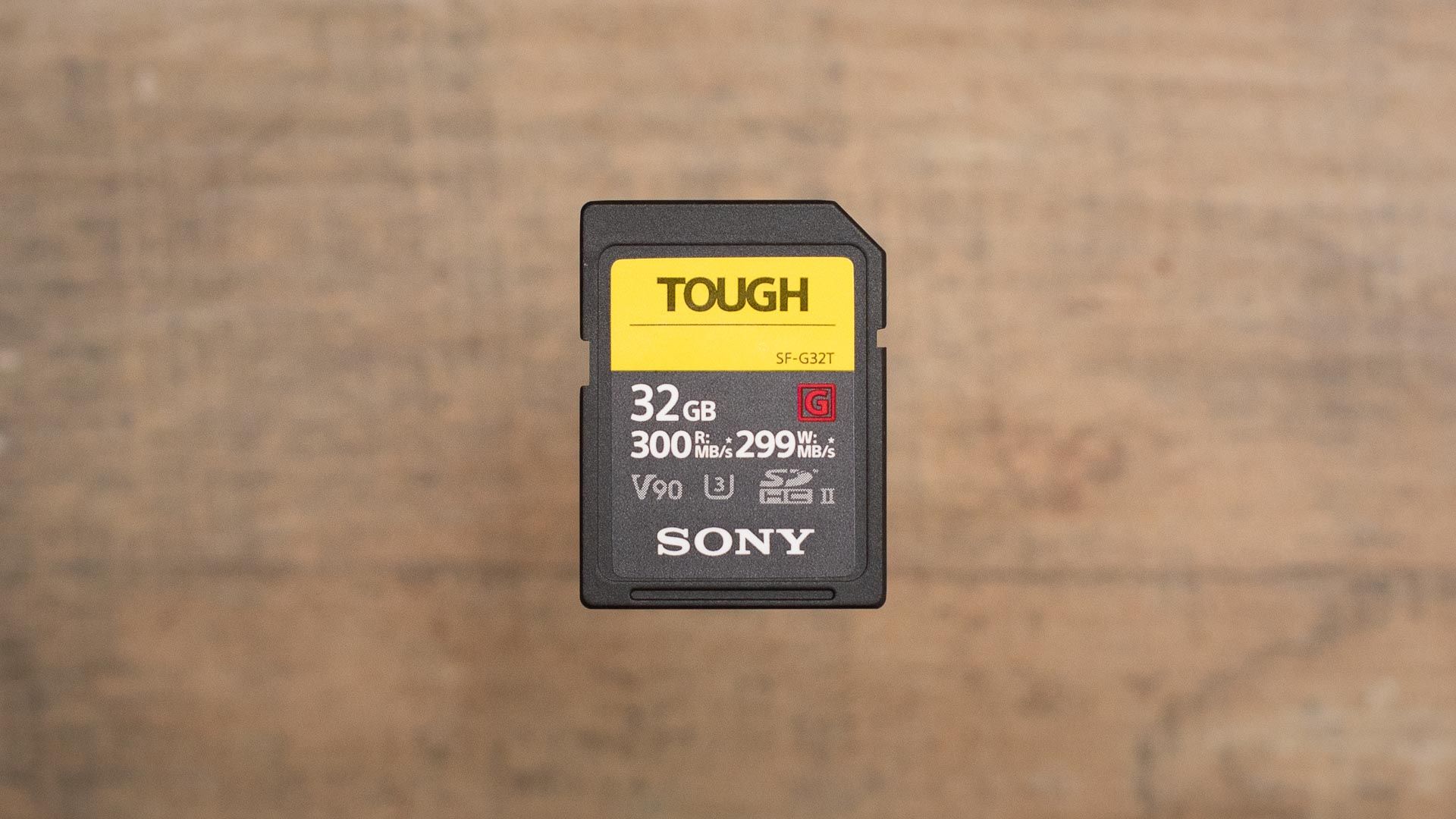
Sony's abrupt decision to pause production of its SD and CFexpress memory cards has sent shockwaves through the photography industry. The move, which takes effect immediately, leaves professionals—particularly those relying on high-speed CFexpress Type B cards for mirrorless cameras with stacked sensor modules—without a clear path for upgrades or replacements.
This isn't just a temporary slowdown; it's an indefinite pause that could stretch into years. The CFexpress Type B card, known for its 300 MB/s sequential read speeds and capacities reaching up to 1 TB, was one of the few solutions designed to meet the growing demands of larger sensors and higher bitrate video formats. Without new production, photographers are forced to maintain dwindling stocks or seek alternatives that may not match Sony's performance benchmarks.
Who Will Feel the Impact?
- Professionals in high-volume fields: Sports photographers, wildlife documentarians, and video producers will be hit hardest. These users depend on CFexpress Type B for its speed and capacity, making it a critical component in their workflows.
- Casual shooters and older camera models: Those using traditional SD cards or cameras that don't support CFexpress may not notice an immediate effect, though they'll still face longer wait times if they upgrade to newer systems.
- Resellers and third-party manufacturers: The shortage will ripple through the market, potentially driving up prices for whatever limited stock remains. Some brands may pivot to other storage solutions, but Sony's absence leaves a significant gap in the high-end segment.
The lack of new production also raises concerns about long-term compatibility. As camera technology advances, memory cards must keep pace—not just in speed, but in form factor and power efficiency. Sony's pause could leave photographers with hardware that outgrows its storage options before replacements arrive.
Alternatives: A Mixed Bag
While Sony isn't producing new cards, other manufacturers remain active. Companies like SanDisk and SK hynix continue to release CFexpress solutions, though availability is tight. However, these alternatives may not match Sony's ecosystem integration or performance benchmarks. For example, some competing cards max out at 240 MB/s or lack the same durability in extreme conditions.
Photographers upgrading to newer mirrorless cameras—such as those with stacked sensor designs—will need to weigh the risks carefully. Investing in a camera that relies on CFexpress Type B could mean being locked into an outdated storage solution if Sony doesn't resume production soon. Meanwhile, those clinging to older SD cards will face their own challenges: slower transfer speeds and limited capacity compared to what's now possible.
What Comes Next?
The memory card market is at a crossroads. If supply constraints persist, photographers may see a shift toward alternative storage formats or even cloud-based workflows to bridge the gap. For now, the only certainty is that patience—and flexibility—will be required.