The Snapdragon X2 Elite is poised to reshape the Windows on ARM landscape, but its success hinges on a delicate balance between innovation and user flexibility. Unlike previous generations, this chipset isn’t just about pushing performance metrics—it’s about creating an ecosystem where creators can seamlessly transition between productivity and content creation without being locked into proprietary workflows.
With 8GB of LPDDR5X RAM and up to 1TB of NVMe SSD storage, the Snapdragon X2 Elite is built for those who demand more than just a portable workstation. It’s designed for creators who need high-bandwidth performance without sacrificing battery life or portability. However, the real challenge lies in whether OEMs can avoid turning these devices into siloed ecosystems where only specific peripherals and workflows are supported.
Connectivity: A Double-Edged Sword
The Snapdragon X2 Elite introduces a more refined approach to connectivity, reducing the reliance on dongles and adapters. For creators, this means fewer compromises when switching between devices—no more juggling multiple ports or hunting for USB-C adapters. Instead, a single USB-C port handles data transfer, power delivery, and even high-bandwidth peripherals like external GPUs.
- Ports: 1x USB-C (USB 3.2 Gen 2, DisplayPort 1.4, Power Delivery 3.0)
- Display Support: 5K @ 60Hz (external), 4K @ 60Hz (internal)
- Chipset: Snapdragon X2 Elite
- RAM: 8GB LPDDR5X, 17.5GB/s bandwidth
- Storage: Up to 1TB NVMe SSD (PCIe Gen 4)
- Camera Support: 108MP main sensor
- Connectivity: Wi-Fi 6E, Bluetooth 5.2, 5G
On paper, this is a significant leap forward for mobile creators—no more dongle clutter, no more power-hungry adapters. However, the risk remains that OEMs may prioritize platform lock-in over user flexibility. If Windows on ARM devices become black boxes where only certain peripherals work, the Snapdragon X2 Elite’s potential could be undermined before it even hits the market.
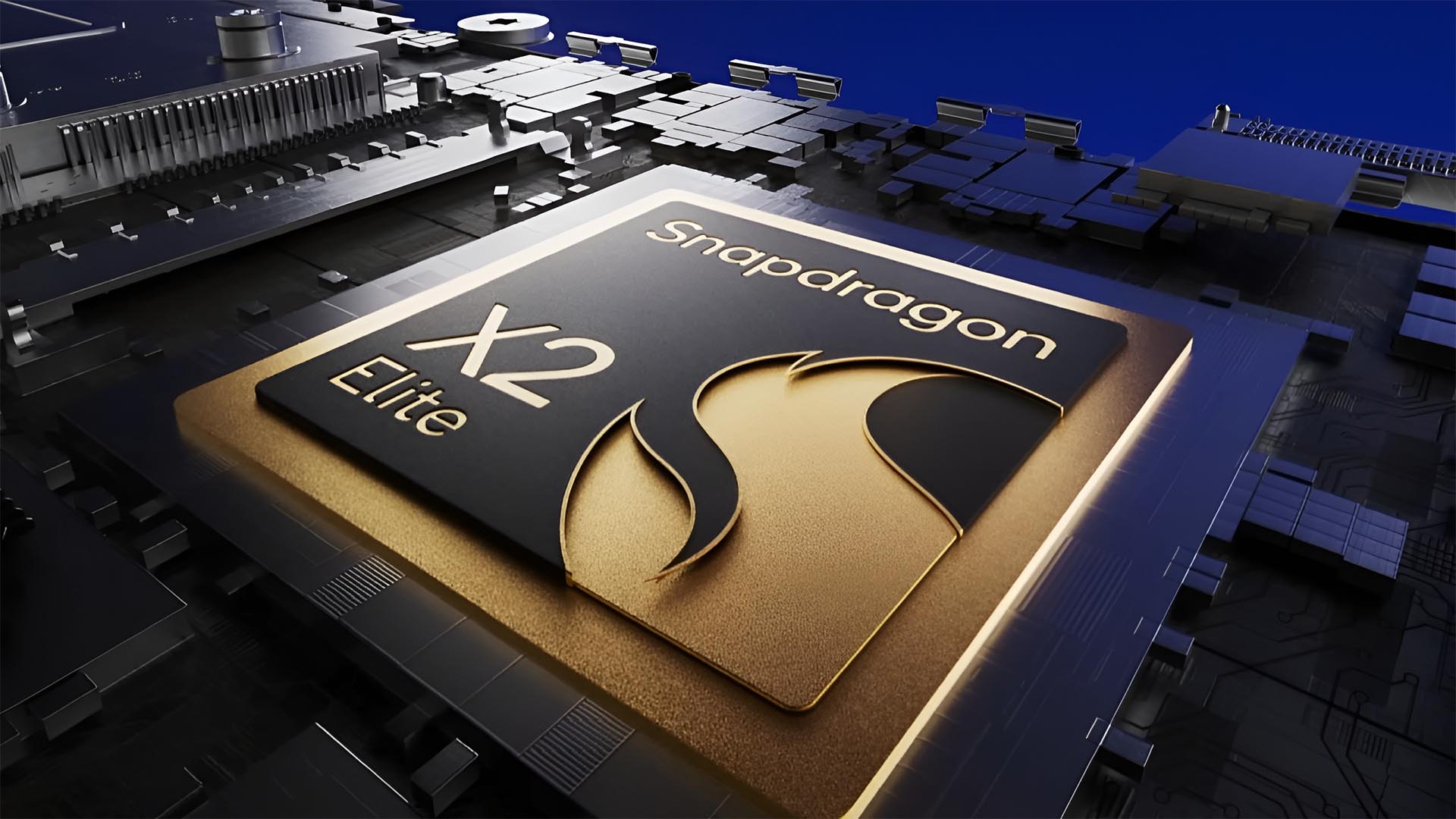
Performance: Efficiency Meets Power
The Snapdragon X2 Elite isn’t just about connectivity—it’s about redefining what a Windows device can achieve without compromising efficiency. With PCIe Gen 4 support, it’s tailored for storage-intensive workloads like video editing and 3D rendering, all while maintaining thermal efficiency. The 17.5GB/s RAM bandwidth ensures smooth multitasking, but the lack of confirmed pricing leaves buyers wondering if this performance comes at a premium.
For everyday users, the Snapdragon X2 Elite may feel like overkill—its advanced features like 5G support and high-resolution camera capabilities are more suited for creators than office workers. But for those in the know, the question isn’t whether they need this performance; it’s whether they can afford to wait until OEMs address platform lock-in concerns.
The biggest uncertainty right now is availability. No official pricing has been announced, and without knowing where these devices will position themselves on the market, buyers are left in a state of limbo. If the Snapdragon X2 Elite follows the pattern of previous ARM chips, it could become a premium offering—meaning only those with deep pockets or corporate budgets get to experience its full potential.
The Snapdragon X2 Elite is a strong foundation, but its future depends on whether OEMs can strike the right balance between innovation and user flexibility. For creators, the risk isn’t in the hardware itself—it’s in the ecosystem. If Windows on ARM becomes too restrictive, this chipset could end up as a tool for a select few rather than the mainstream powerhouse it’s capable of being.