Smartphones are getting faster than ever, but their ability to sustain that speed is being tested like never before. The latest stress tests reveal a growing mismatch between processing power and cooling capacity, forcing manufacturers to rethink how devices handle heat under prolonged loads.
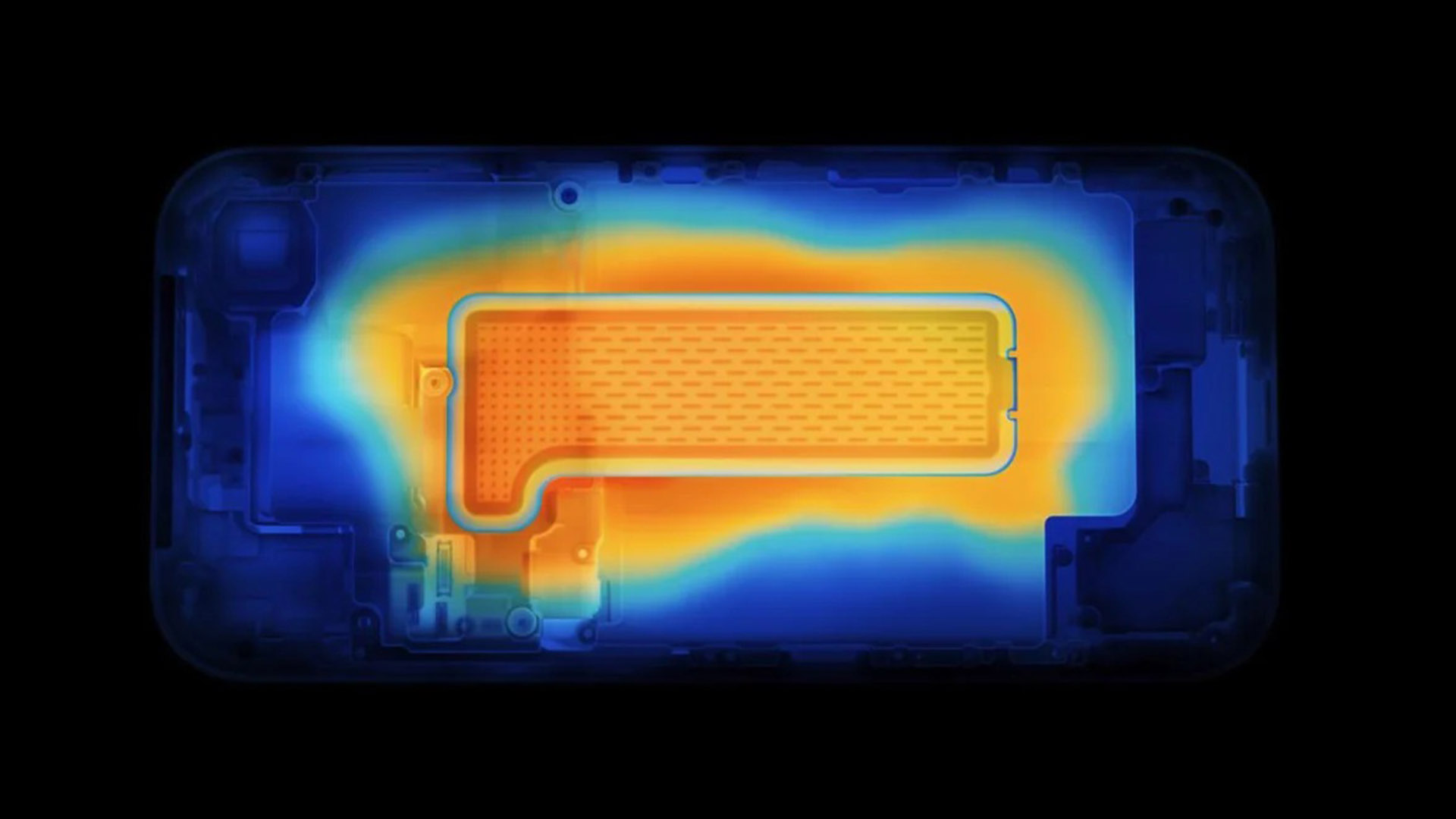
What’s driving this issue? More cores, higher clock speeds, and advanced architectures are pushing performance to new heights, but the cooling infrastructure hasn’t kept pace. Benchmarks on current-generation smartphones show that even with vapor chambers, liquid metal interfaces, and copper baseplates, temperatures can climb past 85 °C within minutes of heavy use.
This isn’t just a benchmark curiosity—it’s a real-world limitation. IT teams managing devices in high-availability scenarios, such as retail systems or field service tablets, report that performance degrades by 15–20% after 30 minutes of continuous gaming or video editing. The drop isn’t gradual; it happens abruptly when the chip reaches thermal thresholds, leading to throttling or shutdowns.
- Processor: Latest 64-bit SoC with 7 nm EUV process
- Thermal Design Power (TDP): Up to 15 W
- Cooling Tech: Vapor chamber + liquid metal interface, 2 mm copper baseplate
- Memory: LPDDR5X-6400 (16 GB)
- Storage: UFS 3.1 (256 GB)
- Display: 120 Hz LTPO OLED, 2400 nits peak brightness
The issue isn’t confined to high-end models. Mid-range smartphones with similar cooling setups show the same pattern: performance stability breaks down once temperatures exceed safe limits. This suggests a systemic challenge in mobile thermal management, not just a flaw in individual designs.
What’s on the horizon? Industry roadmaps hint at 3 nm EUV process nodes, which could reduce TDP by up to 20%, but mass production remains uncertain until late 2025. Until then, IT teams have limited options. Active cooling cases or external liquid coolers can help, but their effectiveness diminishes in high ambient temperatures—above 35 °C, performance degradation becomes inevitable regardless of hardware upgrades.
The crux of the problem is clear: smartphones are pushing thermal boundaries faster than cooling solutions can keep pace. For IT teams, this means tighter power budgets, more frequent battery replacements, and a longer wait for meaningful improvements in mobile thermals. The question isn’t whether processors will get faster—it’s whether cooling technology can catch up before performance becomes unreliable.