The introduction of more sophisticated AI features in Apple’s Siri is poised to deepen the global shortage of dynamic random-access memory (DRAM), a critical component that underpins virtually every electronic device. This shift will not only push production capacity to its limits but also redefine the competitive landscape for memory manufacturers, with Samsung and SK Hynix standing to benefit most from the surge in demand.
Apple’s move toward AI-driven personal assistants represents a significant departure from previous iterations of Siri. The new architecture requires substantially more computational power, particularly in the form of high-bandwidth DRAM modules. While this enhances user experience with faster response times and more complex voice interactions, it also means that each device equipped with these features will consume noticeably more memory than before. Industry analysts estimate that the average smartphone equipped with AI-enhanced Siri could require up to 12 gigabytes of DRAM, compared to around 6-8 gigabytes in current models.
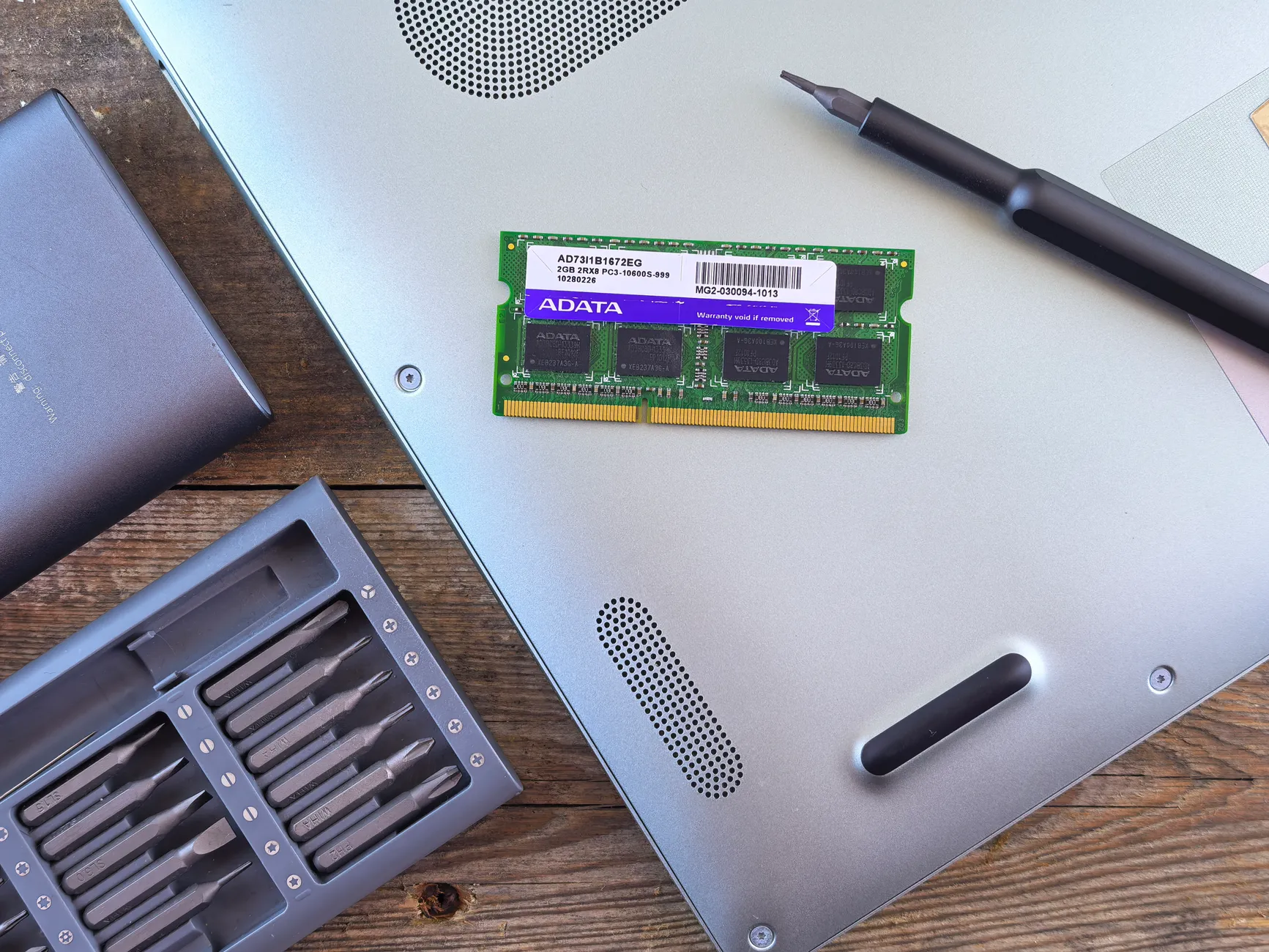
This increase is not isolated to smartphones. Apple’s broader ecosystem—including tablets, laptops, and even smart home devices—will also see a rise in memory requirements as AI becomes more deeply integrated into everyday functions. The result is a compounding effect on global supply chains that are already operating near full capacity. Samsung and SK Hynix, the two dominant players in the DRAM market, have been expanding production lines aggressively to meet existing demand. However, the additional strain from Apple’s AI push could delay shipments for other manufacturers and consumers alike.
Implications for Memory Suppliers
The financial repercussions for Samsung and SK Hynix are likely to be substantial. With their market share already hovering around 70-80% of the global DRAM sector, even a modest increase in demand from Apple could translate into billions in additional revenue. However, this opportunity comes with risks. The company that fails to scale production efficiently or secure stable supply chains for key raw materials—such as tungsten and cobalt used in chip manufacturing—could face significant setbacks.
For consumers, the primary impact will be longer wait times for new devices and potentially higher prices. Apple has not yet confirmed whether it plans to pass on the increased memory costs directly to users, but industry trends suggest that premium pricing is likely. Additionally, the shift toward AI-driven features may force other tech companies to reallocate their DRAM allocations, creating a ripple effect across the industry.
What’s Next for the DRAM Market
The immediate future for the DRAM market will be characterized by volatility. Samsung and SK Hynix are expected to continue investing in new fabrication plants, with some facilities already under construction in South Korea and the United States. However, the timeline for these projects—many of which take 18-24 months to come online—means that supply constraints will persist through at least 2025.
In the meantime, buyers should prepare for a period where DRAM shortages remain the norm rather than the exception. Apple’s commitment to AI in Siri is just one of several factors driving this trend, with data centers and automotive electronics also contributing to heightened demand. The ability of memory manufacturers to navigate this complexity will determine not only their market position but also the pace at which consumers can access next-generation devices.