The ShadPS4 emulator has reached a turning point with its v0.16.0 update, offering performance gains that feel less like incremental tweaks and more like a fundamental shift in how PS4 emulation works on non-PlayStation hardware.
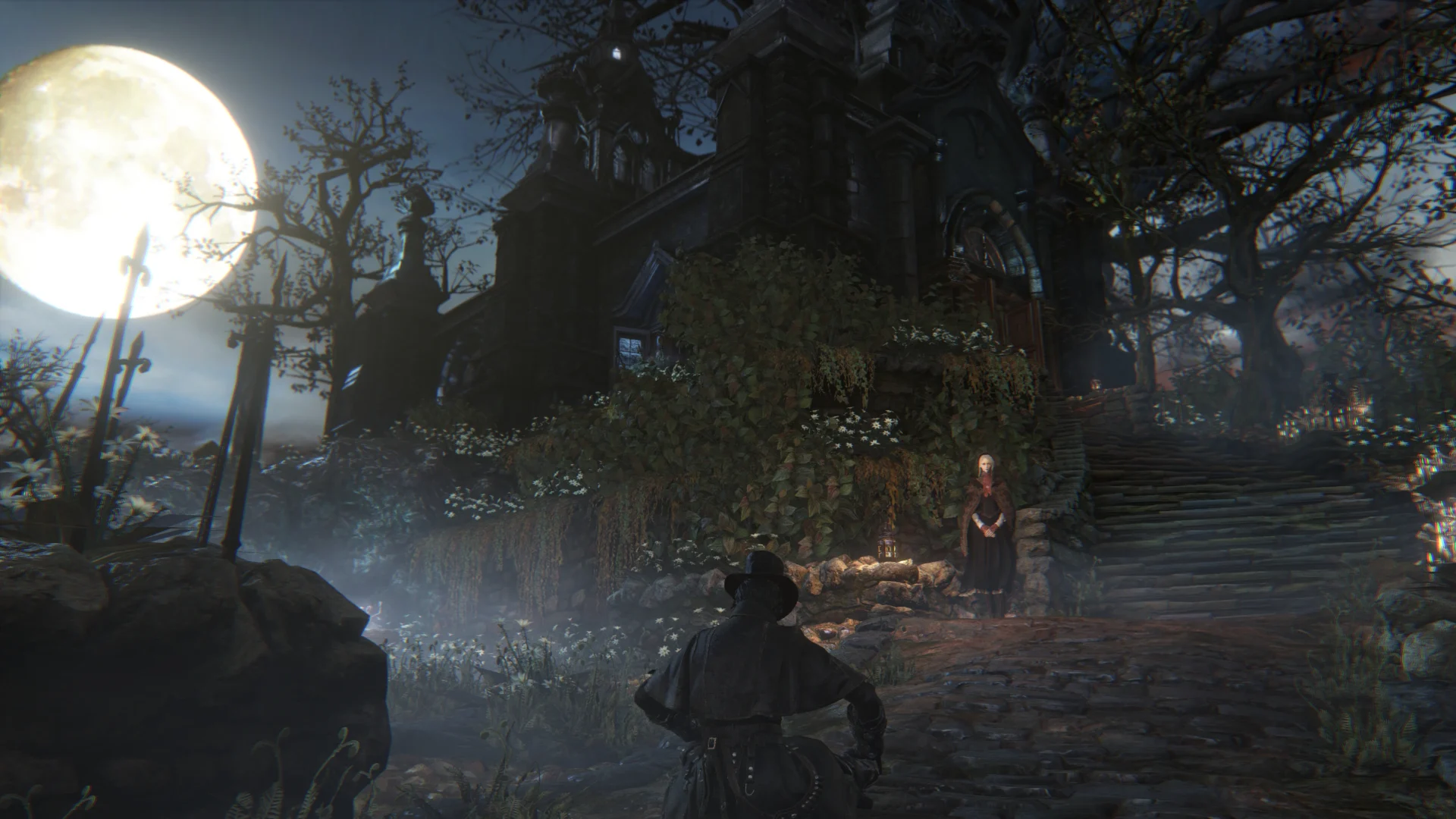
This isn't just about speed—it's about making the experience closer to native PlayStation 4 behavior without sacrificing stability. The update introduces CPU optimizations that can reduce overhead by up to 25% in certain workloads, a significant leap when emulation accuracy hinges on raw processing power. But where this version truly stands out is in its handling of complex titles like Bloodborne Remaster.
Previously, running the remastered version required meticulous configuration and often left users frustrated with inconsistent frame rates or crashes during intense scenes. Now, those issues are noticeably less frequent, even on mid-range systems. The emulator maintains smoother performance while preserving the game's intricate networking code—a feat that was previously out of reach for most x86 setups.
- Up to 25% reduction in CPU overhead for optimized workloads
- Improved Bloodborne Remaster compatibility with fewer manual tweaks required
- More stable multiplayer sessions, though full online parity remains a work in progress
The networking improvements are particularly noteworthy. Multiplayer emulation has always been the weakest link in PS4 emulation, plagued by instability due to architectural mismatches between Sony's Cell processors and modern x86 systems. This update introduces fixes that make peer-to-peer matchmaking more reliable, though achieving full parity with Sony's official servers is still a distant goal. For local multiplayer or solo play, however, the changes are already making a tangible difference.
Looking forward, the team behind ShadPS4 has its sights set on refining audio rendering and texture streaming—areas where PS4 emulation has historically lagged behind other platforms. The challenge is to close that gap without sacrificing performance, a balancing act made even more complex by the inherent differences between Cell processors and today's x86 CPUs.
For users who have been waiting for ShadPS4 to catch up with established emulators like RPCS3, this update is a promising sign. It doesn't erase all remaining limitations, but it redefines what's possible without requiring high-end hardware or constant compromise on fidelity. In an era where costs and expectations are constantly in flux, updates like this matter—they turn emulation from a niche hobby into a viable tool for both developers and enthusiasts alike.