China’s data centers are facing a critical shortage of server CPUs, as Intel and AMD grapple with unprecedented demand driven by AI workloads. The two chip giants have recently notified key customers in the region of extended lead times—up to six months for Intel’s latest Xeon processors—while AMD’s Epyc supply is also under strain.
The crunch highlights a broader industry shift. While AI GPUs have dominated headlines for their impact on memory and cooling markets, server CPUs—long the backbone of enterprise computing—are now in the crosshairs. Intel’s fourth- and fifth-generation Xeon chips, built on its Intel 7 process node, are particularly affected, with the company rationing deliveries to manage a backlog of unfilled orders. Meanwhile, AMD’s server chips, manufactured by TSMC, are caught in the same bottleneck, as the foundry prioritizes AI-focused wafers over other products.
The AI Effect: Why Server CPUs Are in Short Supply
Intel attributes the shortage to a surge in demand for what it calls ‘traditional compute’—a term that now includes AI training and inference workloads. The company expects inventory to hit its lowest point in the first quarter but claims aggressive measures will improve supply by mid-2026. However, the strain is already visible: China alone accounts for 20% of Intel’s global revenue, and delays there could have cascading effects.
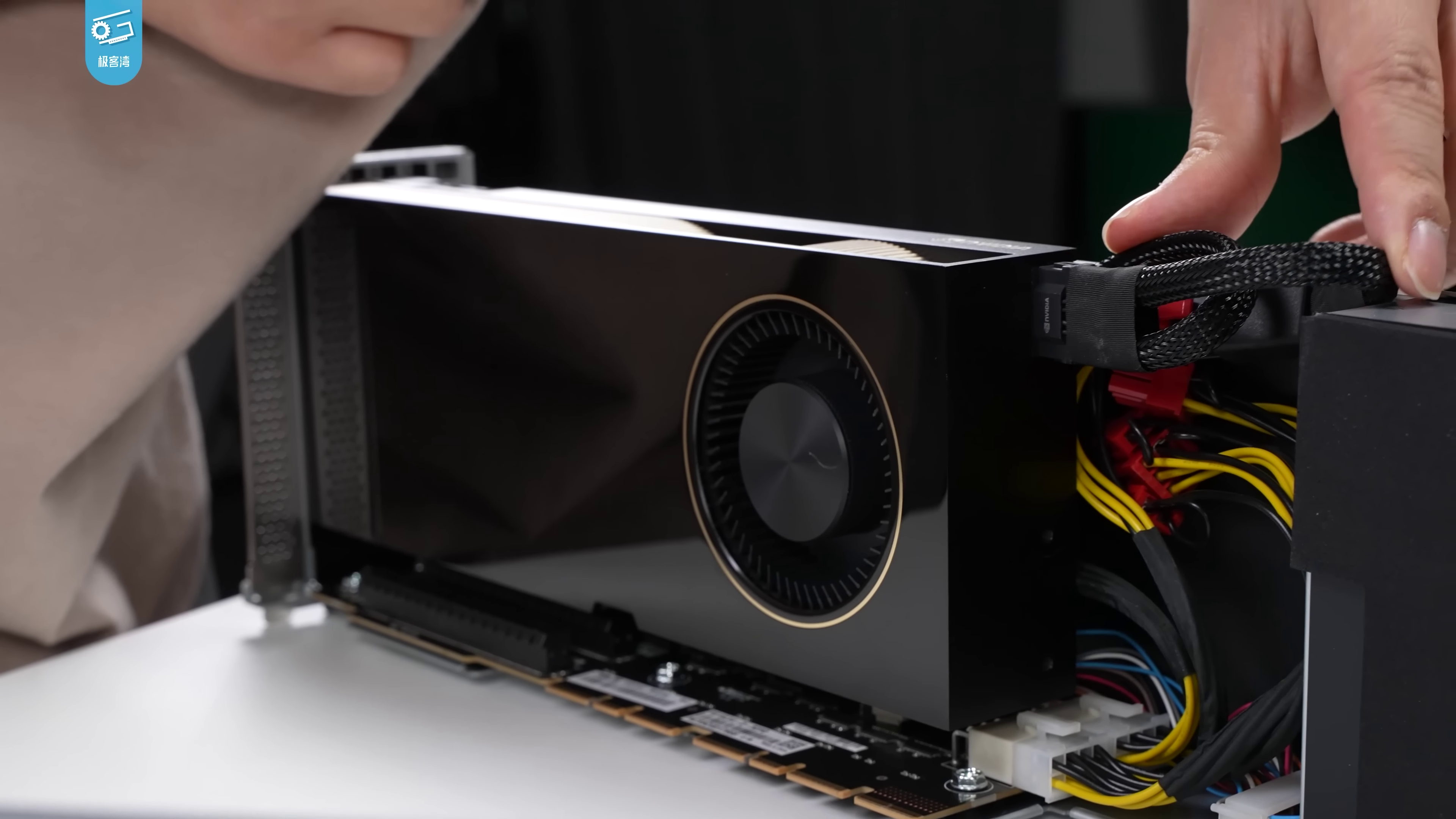
TSMC’s role in this bottleneck is particularly telling. The foundry, which manufactures AMD’s Epyc processors, has been funneling resources toward AI GPUs—especially those destined for Nvidia’s data center dominance. Even Nvidia CEO Jensen Huang has publicly urged TSMC to expand capacity, acknowledging the foundry’s limitations in meeting the flood of orders. With wafer production at a premium, server CPUs and consumer chips are now competing for the same scarce resources.
Could This Affect Your Next CPU Purchase?
The immediate impact is felt in data centers, but the ripple effects may reach consumer markets. Server and desktop CPUs share supply chain dependencies, from silicon fabrication to packaging. If AI-driven demand continues to outpace manufacturing capacity, price hikes or extended wait times for gaming and productivity chips could follow. AMD has already faced rumors of desktop CPU price increases, though nothing has been confirmed. Given the current climate—where even memory and GPUs remain inflated—consumers should brace for potential adjustments in the months ahead.
The situation underscores a fundamental truth: the AI boom isn’t just reshaping industries; it’s stress-testing the entire semiconductor ecosystem. For now, enterprises in China are left waiting, but the question remains whether this will be a temporary hiccup or the new normal for hardware supply.