Samsung Electronics Announces Strong Preliminary Q4 2025 Results
Samsung Electronics is demonstrating a remarkable turnaround in its financial performance, with preliminary data indicating a substantial surge in operating profits. The company’s latest guidance points to a significant increase compared to previous records, fueled largely by sustained demand and favorable pricing dynamics within the memory chip sector – a critical component of Samsung's overall business portfolio.
Key Financial Highlights: Q4 2025 Preliminary Results
According to pre-earnings guidance released today, Samsung anticipates total sales reaching approximately 93 trillion Korean Won (KRW) – equivalent to roughly $64.024 billion USD at current exchange rates. This figure represents a notable increase compared to previous reporting periods. Furthermore, the company projects an operating profit of around 20 trillion KRW ($13.781 billion), surpassing its prior record established in 2018 which stood at 17.6 trillion KRW.
Contextualizing the Growth: Q3 2025 Performance
To provide context, Samsung reported total sales of 86.1 trillion KRW and an operating profit of 12.2 trillion KRW for the preceding third quarter of 2025. This latest guidance indicates a substantial improvement in operational efficiency and market positioning within the memory segment.
The AI Memory Boom: A Critical Driver
A primary catalyst behind Samsung’s recent success is the sustained, and arguably accelerating, demand for high-bandwidth memory (HBM) and other advanced memory technologies. This surge in demand is intrinsically linked to the rapid growth of artificial intelligence (AI). The increasing computational demands of AI applications – from training large language models to powering real-time inference – necessitate significantly more memory capacity and faster data transfer rates, driving up prices and bolstering Samsung’s revenue streams.

Strategic Positioning in a Dynamic Market
Samsung's strategic focus on memory chips has proven particularly well-timed. The company has invested heavily in expanding its production capacity for advanced memory technologies, allowing it to effectively meet the growing demand from various sectors, including data centers, automotive electronics, and consumer devices. This proactive investment strategy is a key component of Samsung’s overall approach to navigating the evolving technological landscape.
Beyond Memory: Diversification Efforts
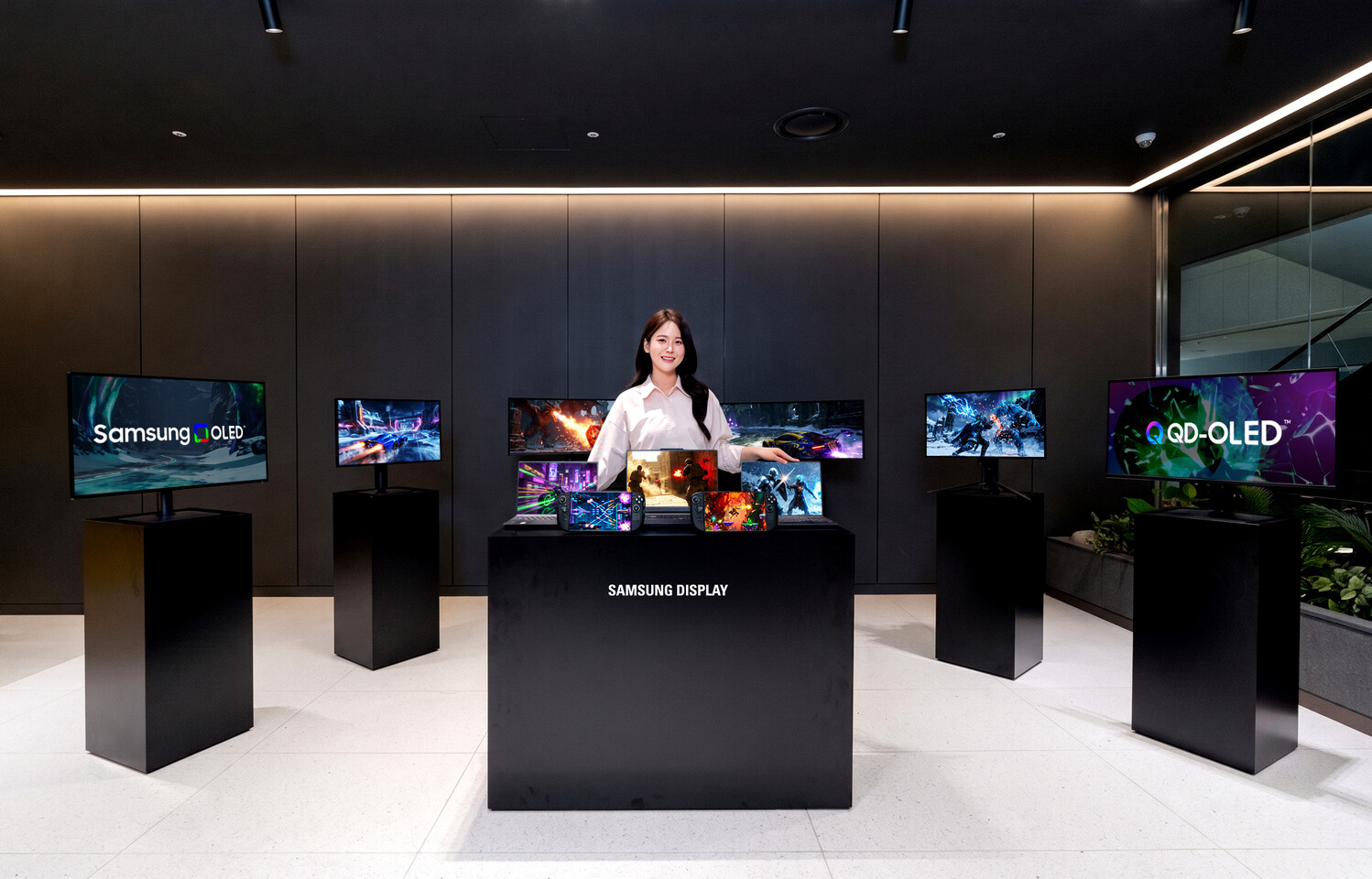
While memory chip performance remains central to Samsung's success, the company continues to diversify its portfolio through investments in areas such as semiconductors, displays, and mobile devices. This diversification strategy aims to mitigate risk and capitalize on opportunities across a broader range of industries. The continued strength in memory is providing resources to fuel these expansion efforts.
Market Dynamics and Competitive Landscape
The global memory chip market remains intensely competitive, with Samsung facing challenges from other major players like SK Hynix and Micron Technology. However, Samsung’s current performance demonstrates its ability to maintain a leading position through technological innovation, operational efficiency, and strategic pricing decisions. The ongoing shift towards AI is further intensifying competition, driving companies to invest heavily in next-generation memory technologies.
Looking Ahead: Future Outlook
Analysts are closely watching Samsung’s performance as an indicator of broader trends within the semiconductor industry. The company's ability to sustain its profitability and maintain a technological edge will be crucial for its long-term success. Key factors to monitor include advancements in memory technology (e.g., DDR6, LPDDR5X), the pace of AI adoption, and Samsung’s continued investments in research and development.
The company's financial results highlight a strategic alignment with global technological trends, demonstrating the importance of targeted investment and market responsiveness within the technology sector. Continued monitoring of these dynamics will be essential for understanding Samsung’s trajectory and its impact on the broader tech landscape.