Samsung’s next-generation foldable smartphone, the Galaxy Z TriFold 2, will mark a deliberate shift toward durability without significant sacrifices to core functionality. Industry insights suggest the device will feature a more rigid hinge and thicker protective layers, addressing the screen flex that has been a consistent pain point for users since the original TriFold launch in 2023.
This focus on build integrity comes with notable trade-offs: battery capacity is being reduced to strengthen the frame, while the outer display size is slightly diminished to accommodate additional protective materials. These changes indicate Samsung’s response to user feedback about fragility, all while maintaining a premium hardware profile that includes a Snapdragon 8 Gen 3 chipset and a 7.6-inch inner display with 120Hz refresh rate.
Performance remains strong, but with refined thermal management
The TriFold 2 will retain the computational power of the Snapdragon 8 Gen 3, though Samsung has overhauled its thermal management system to better handle sustained gaming sessions. The outer screen—now slightly smaller at 5.9 inches—will also draw less power when displaying performance metrics, reducing battery drain during intensive tasks.

- Display: 7.6-inch inner (120Hz), 5.9-inch outer
- Chipset: Qualcomm Snapdragon 8 Gen 3
- Memory: Up to 16GB LPDDR5X RAM, 512GB UFS 4.0 storage
- Battery: Approximately 4,200mAh (estimated), with 45W wired charging support
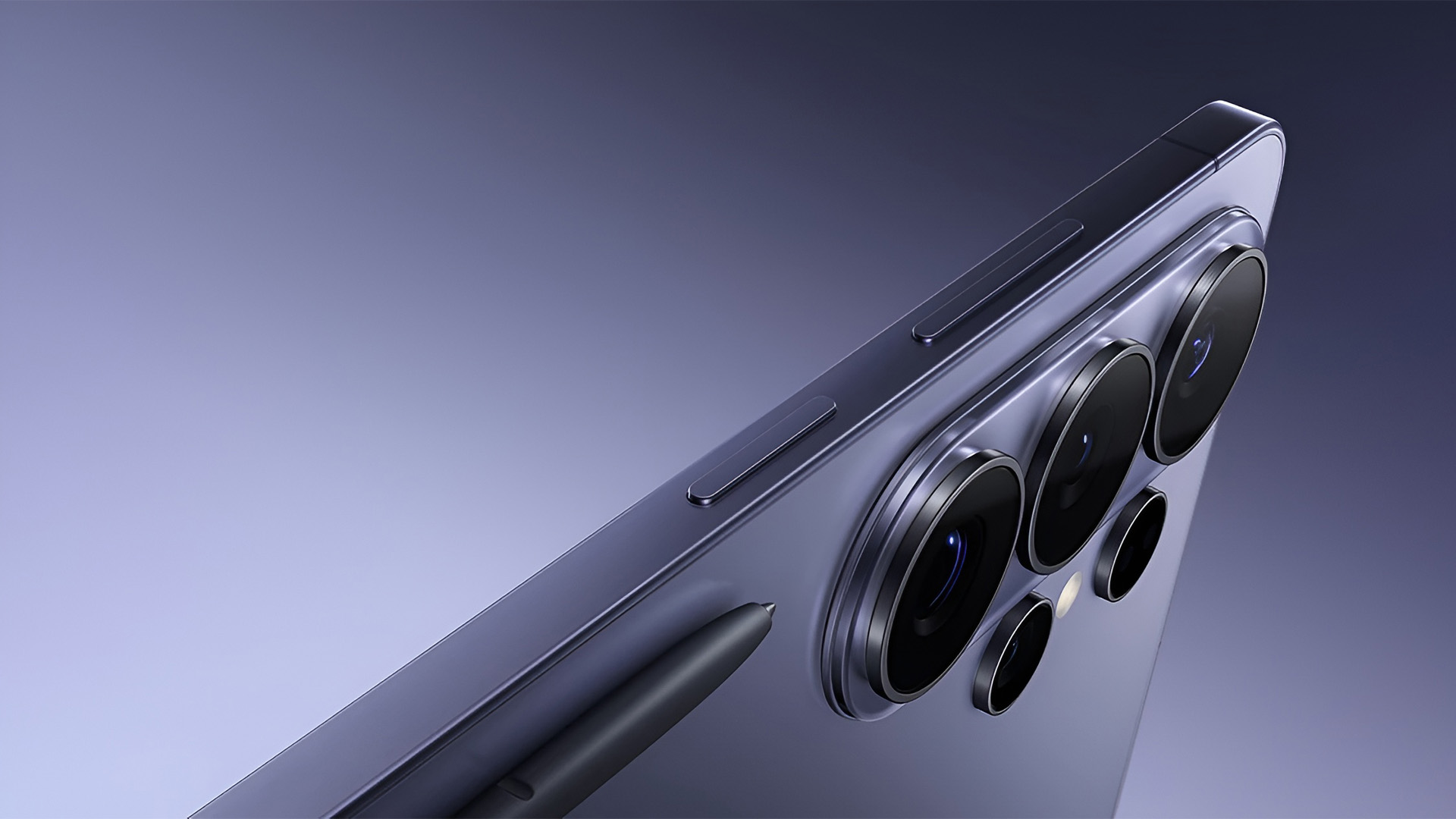
- Camera system: 50MP main + 12MP ultrawide + 10MP telephoto
While the device will weigh slightly more at around 305 grams due to its reinforced construction, the stiffer hinge is designed to distribute weight more evenly across the frame. This multi-axis pivot system aims to eliminate the noticeable flex that characterized earlier foldable designs.
A reimagined port layout and practical considerations
Samsung has also adjusted the port placement for improved accessibility: the USB-C port is now located along the inner display edge, making it more convenient when the device is open. However, this change means cables will need to be managed carefully when the phone is folded shut.
The launch timeline remains speculative but is widely expected in mid-2027, aligning with Samsung’s historical pattern of releasing foldable devices alongside major software updates. This suggests a refined One UI experience will accompany the hardware improvements, further emphasizing practicality over raw performance metrics.