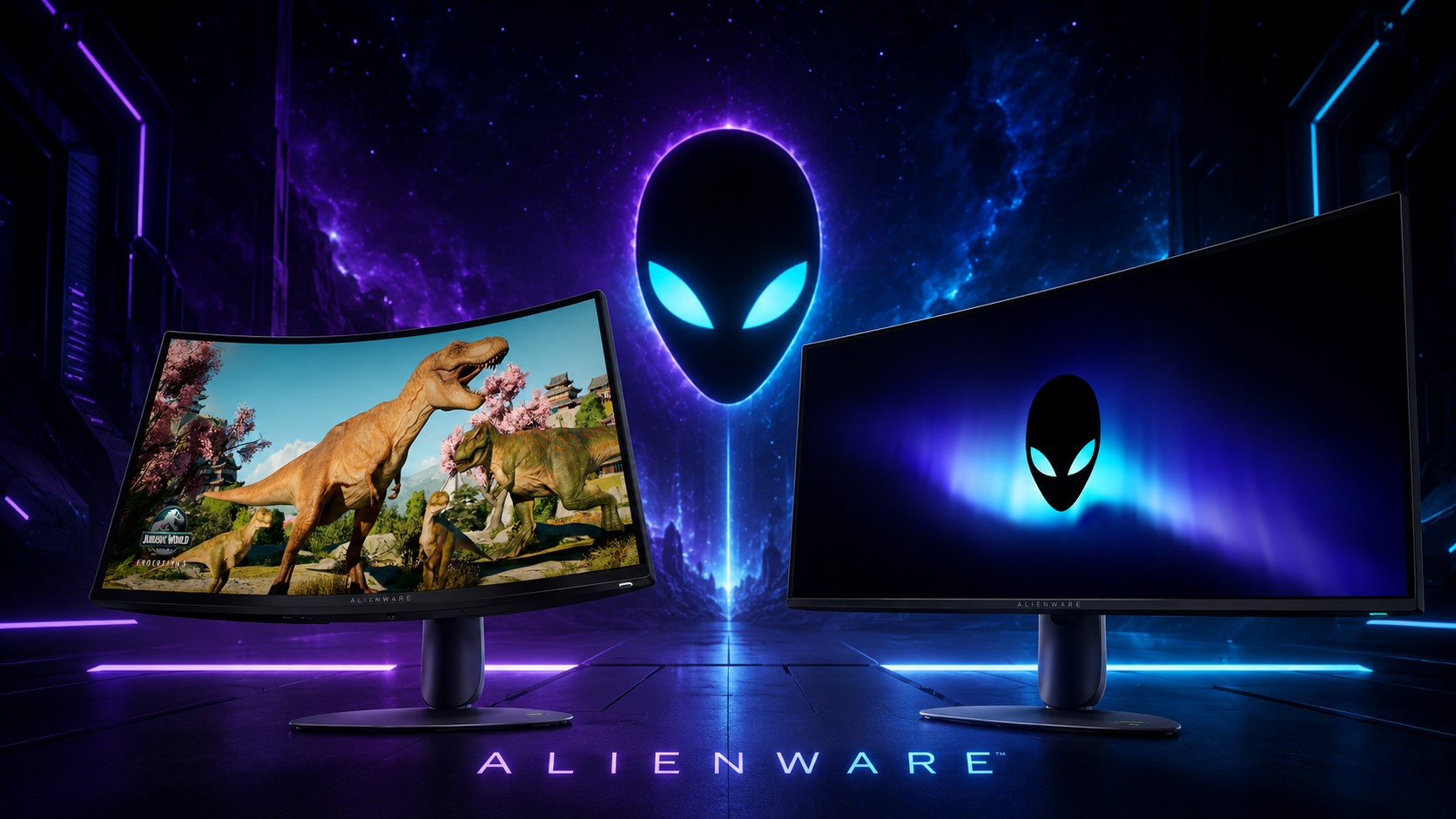
Samsung has introduced what it describes as the industry’s first 4K 360Hz Penta Tandem OLED monitor, a development that challenges conventional display performance benchmarks. The 27-inch model delivers 1800 nits of peak brightness and a 90% DCI-P3 color gamut, but its true value hinges on whether the penta-tandem architecture can provide tangible advantages over existing solutions in real-world use.
The monitor’s specifications are impressive: 3456 × 1440 resolution, 360Hz refresh rate (with overclocking support up to 480Hz), and HDR10+ compatibility. However, achieving such performance requires significant GPU power, potentially limiting its practical use beyond high-end gaming or professional workloads. Engineers must now determine if the brightness and color depth gains justify the cost and hardware demands.
- 27-inch 4K (3456 × 1440) resolution
- 360Hz refresh rate, overclockable to 480Hz
- Peak brightness: 1800 nits (HDR10+ compliant)
- 90% DCI-P3 color gamut, 125% sRGB coverage
- Penta Tandem OLED architecture for higher luminance without color volume loss
- 1ms gray-to-gray response time
- G-Sync Ultimate and FreeSync Premium Pro support
The penta-tandem layering is designed to maintain color depth while increasing brightness, a feature that could benefit high-refresh gaming or professional content creation. However, whether this translates into perceptible improvements over competing IPS panels—such as those from LG or ASUS with local dimming zones—remains uncertain. Benchmarks and long-term testing will be crucial in determining its real-world impact.
A Broader Display Strategy
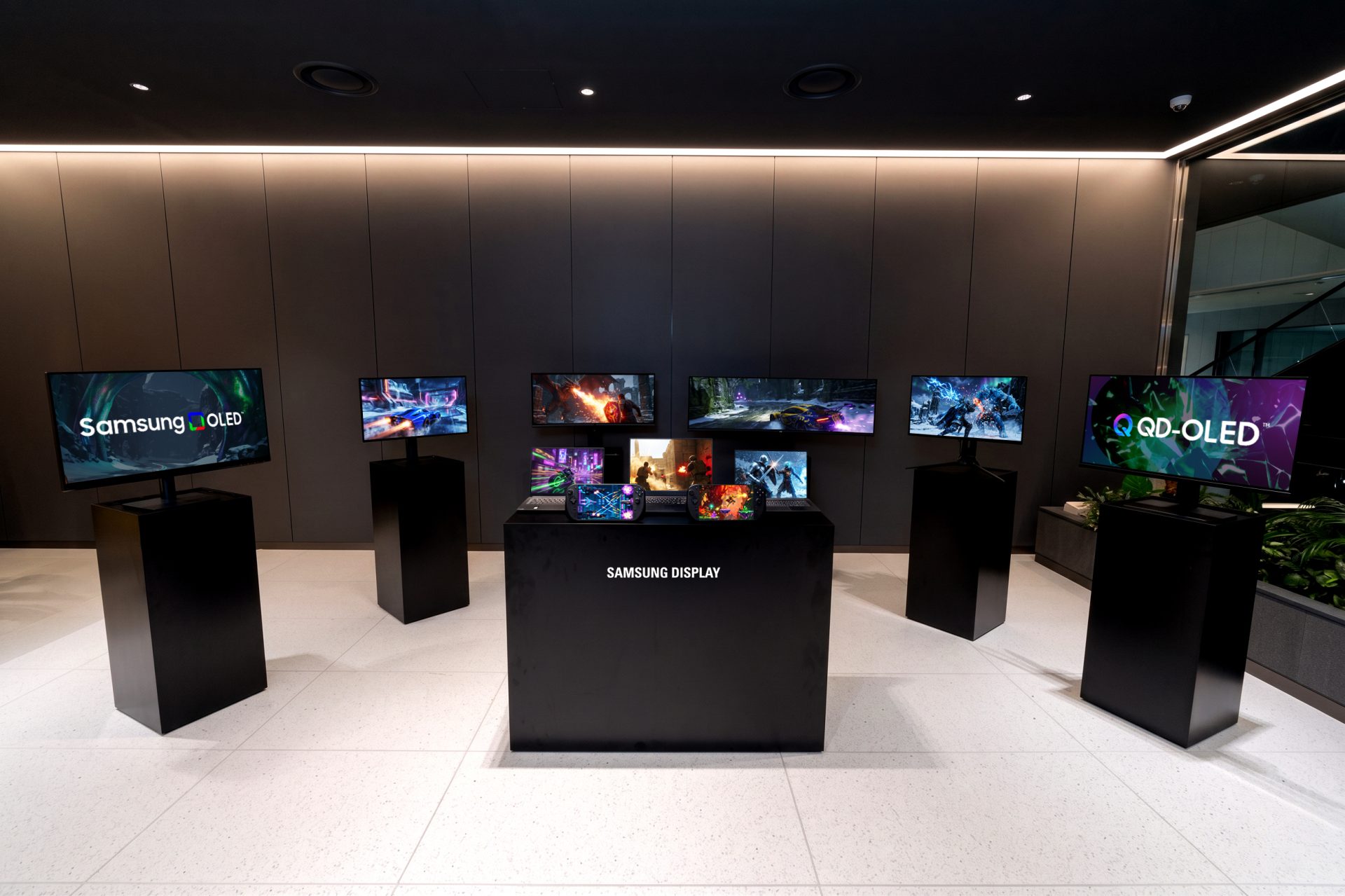
Samsung is not limiting itself to this single model. Alongside the 360Hz flagship, it has introduced 15 additional monitors, creating a portfolio that spans from an ultra-compact 8.8-inch OLED micro monitor to a massive 49-inch curved OLED powerhouse. This expansion targets diverse use cases, from mobile workstations to large-scale control rooms.
- 8.8-inch OLED Micro Monitor (2560 × 1440, 120Hz)
- 13.3-inch OLED Mobile Workstation Panel (5120 × 2880, 90Hz)
- 17-inch Curved OLED (3840 × 2160, 165Hz)
- 21.3-inch OLED (3840 × 2160, 144Hz)
- 27-inch 4K 360Hz Penta Tandem OLED
- 32-inch Curved OLED (5120 × 2160, 120Hz)
- 49-inch Curved OLED (7680 × 2160, 60Hz)
The 49-inch model, in particular, is designed for high-ambient-light environments where visibility and contrast are critical. Its 5K resolution and 60Hz refresh rate may not align with gaming standards, but the combination of OLED’s infinite contrast and anti-reflective coating makes it a strong contender for professional applications. However, concerns about potential burn-in at sustained high brightness remain a risk for long-term reliability.
Compatibility and Cost Considerations
The 360Hz OLED monitor’s performance is undeniably advanced, but its practical adoption may be limited by compatibility requirements. Most current 360Hz panels are constrained to 1440p resolution due to bandwidth limitations, and scaling to 4K at such high refresh rates demands next-generation GPU power—likely requiring significant hardware investment even for high-end GPUs like NVIDIA’s RTX 50 series.
For power users, this raises a critical question: does the performance gain justify the cost and hardware requirements? While the monitor is a technical achievement, it may remain a premium feature accessible only to a fraction of applications or users with deep pockets. Additionally, the penta-tandem architecture adds complexity to manufacturing, which could translate to higher production costs. If Samsung cannot maintain its typical price-to-performance edge, competitors may continue to favor mini-LED IPS solutions that offer high brightness and lower burn-in risk—albeit with less true black depth.
Uncertainty and Long-Term Reliability
The confirmed specifications are robust: 360Hz native refresh rate, 1800 nits peak brightness, and the penta-tandem stack designed to preserve color volume. However, what remains untested is how this display behaves in extended use, particularly regarding potential burn-in at sustained maximum brightness. Additionally, whether the refresh rate delivers measurable benefits beyond what current 240Hz panels can achieve with motion interpolation is still unclear.
For now, the 360Hz OLED monitor stands as a technical milestone, but its widespread adoption will depend on two key factors: whether it can outperform existing solutions in real-world workloads and whether Samsung can produce it at scale without significant price premiums. The broader monitor lineup solidifies Samsung’s position as a one-stop shop for diverse display needs—from portable to room-filling OLED—but the question of long-term reliability will be critical for professional users who cannot afford panel degradation.
The bottom line is that this launch benefits high-end gamers and content creators with specific workflow demands, but for most power users, the leap to 360Hz may still be a premium experiment rather than a necessity. Whether Samsung can bridge the gap between cutting-edge technology and practical adoption remains an open question.