The semiconductor industry is at a crossroads, with Samsung's 2nm process emerging as a potential disruptor—but one that carries significant risks. While the technical specifications are compelling, fabless companies are treating it more like an insurance policy than a primary choice. This caution reflects deeper anxieties about yield and reliability that could stifle its adoption in high-stakes applications, particularly in AI and mobile computing.
Samsung's 2nm process is designed to match the performance of TSMC's N3 node, with clock speeds reaching up to 8 GHz in test chips. Memory density hits 1.4 Gb/mm², a figure that could be transformative for high-bandwidth applications—but only if yield improves significantly. Initial production is slated for late 2025, but early pilot wafers have shown defect clusters that must be addressed before volume adoption becomes viable.
Why Samsung's Path Is Risky
The hesitation among fabless firms isn't just about technical specs; it's about the practical realities of high-volume manufacturing. TSMC has spent years refining its N3 process, and while it's not without its own challenges—such as delays in ramping up certain customer designs—the foundry remains the default choice for companies that can't afford to gamble on unproven technology.
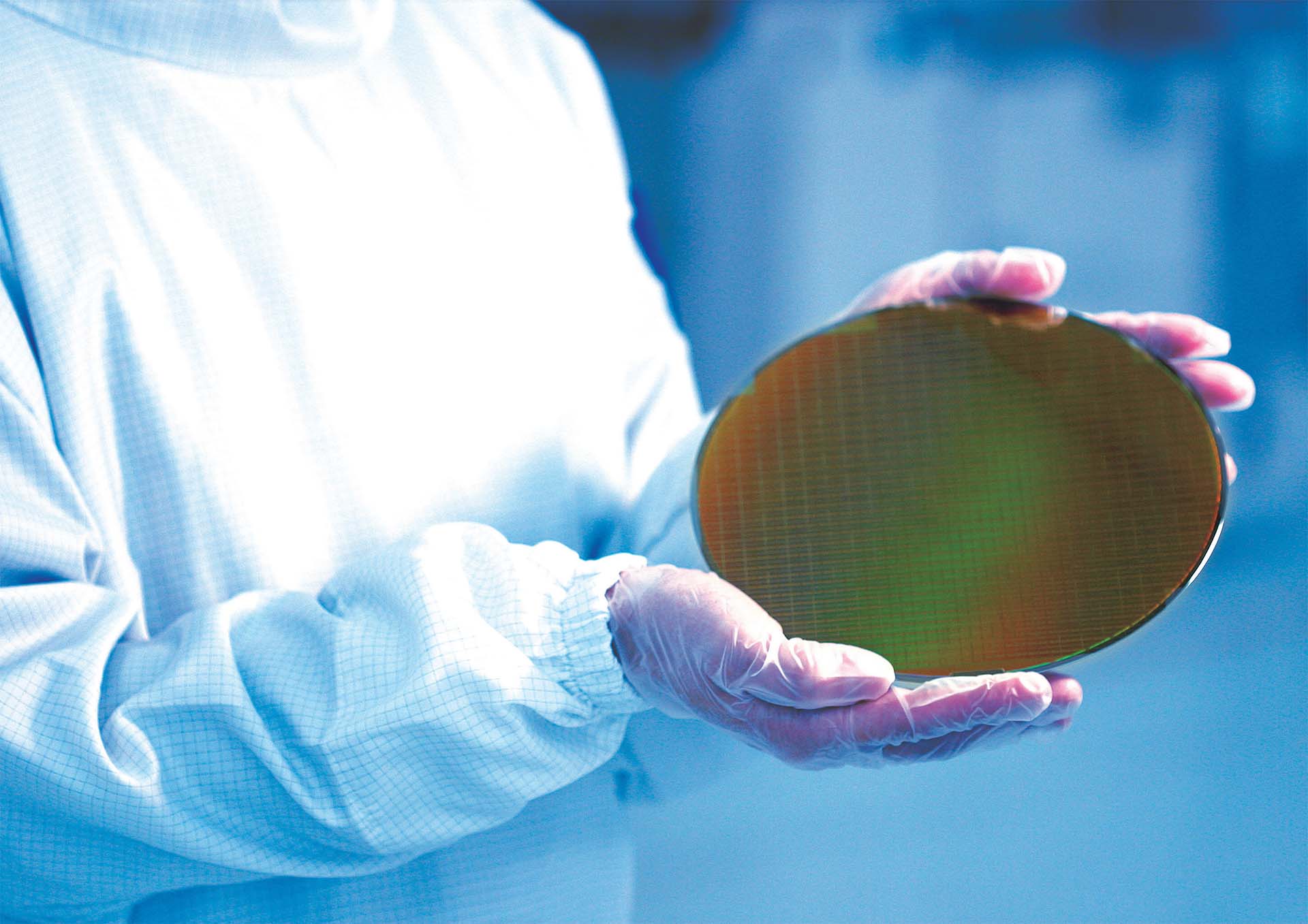
For Samsung, proving itself will require more than just matching TSMC's performance. It must also demonstrate consistency in defect rates and long-term stability, two areas where TSMC has historically excelled. If Samsung falls short, the industry may double down on TSMC despite its own roadmap uncertainties—a scenario that could leave Samsung on the sidelines for years.
The Bigger Picture
This moment isn't just about one company's process node; it's about the future of semiconductor competition. The industry is under pressure to deliver smaller, faster, and more efficient chips, but the transition to sub-2nm production is fraught with technical hurdles. Samsung's 2nm process could be a game-changer if it succeeds, but the risks are high enough that most companies are waiting to see how it plays out.
For now, TSMC remains the safe bet, but its own roadmap is under scrutiny. If Samsung can overcome its reliability challenges, it could carve out a significant share of the market—one that TSMC may struggle to reclaim without major innovations of its own. The next 12 months will be decisive in determining whether Samsung's ambition translates into real-world success or becomes another cautionary tale about pushing too far, too fast.