Samsung's unexpected halt to production at a key memory fabrication plant has sent shockwaves through the PC industry. The move, announced without warning, threatens to squeeze an already constrained RAM market just as demand for high-bandwidth modules climbs.
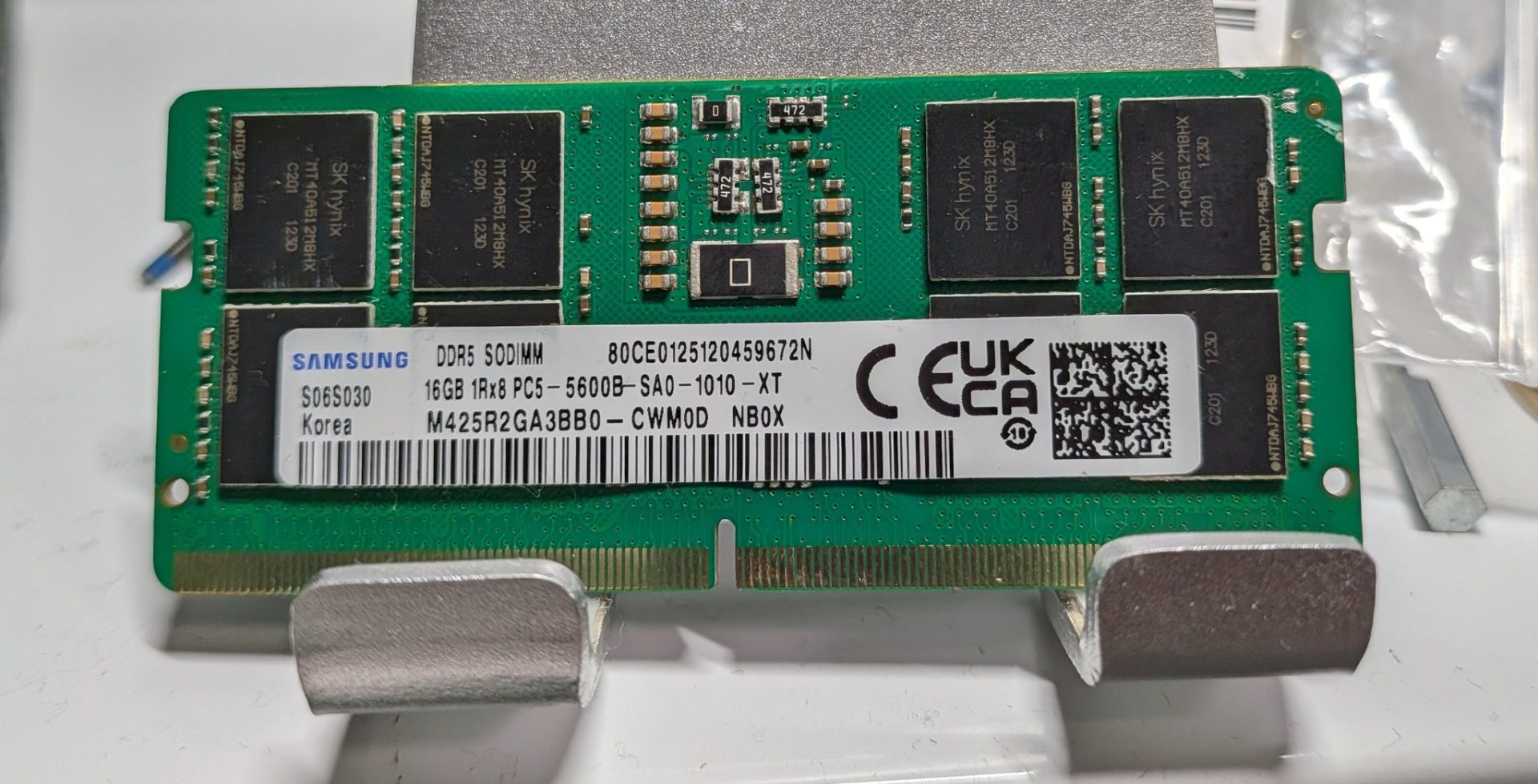
The affected facility in Pyeongtaek, South Korea, produces DDR5 and LPDDR5X memory chips—components critical to next-generation desktops, laptops, and mobile devices. Industry analysts estimate the plant accounts for roughly 10% of global DDR5 output, a share that could grow as other manufacturers ramp up production lines in response to rising demand.
For small businesses eyeing upgrades or new builds, the implications are immediate. Prices for DDR5 modules have already trended upward due to supply chain disruptions, and this strike risks prolonging that trend. Buyers considering compatibility with newer motherboards or GPUs may find themselves caught between rising costs and limited availability, especially as winter holiday sales approach.
Competitors like SK Hynix and Micron are unlikely to fill the gap overnight. While both have expanded capacity in recent quarters, Samsung's dominance in premium DRAM segments means its absence will be felt most acutely in high-performance desktop and gaming memory markets. LPDDR5X, used in flagship smartphones and tablets, could also see tighter supplies, though its market is smaller compared to DDR5.
The strike underscores a broader tension: as chipmakers invest heavily in next-generation memory technologies, labor disputes and geopolitical factors continue to test supply chains. For businesses weighing upgrade decisions, the message is clear—timing will matter more than ever. Those planning purchases in the near term may need to balance performance needs against cost, while waiting for supplies to stabilize could mean missing out on early-adopter discounts.
For now, the PC ecosystem remains at a crossroads. Samsung's role as a linchpin in memory innovation is undeniable, and its absence—even temporarily—will test the resilience of both manufacturers and consumers. The question for buyers isn't just whether prices will rise, but how long it will take for equilibrium to return.