The 2026 desktop power supply market is a paradox: it offers more options than ever, yet the risk of buying wrong has never been higher. The latest generation of 850W units, from established brands to aggressive new entrants, promises universal compatibility with modern PCs—handling everything from budget gaming rigs to high-end workstations without requiring complex configuration. But beneath the surface, a closer look reveals that the actual performance gap between a well-chosen unit and one that barely meets specifications is wider than most buyers realize.
This shift wasn’t sudden. It began with the rise of 12V universal inputs, which eliminated the need for ATX power supply selection in many cases. Then came the push toward higher wattage ratings—850W became the de facto standard for mid-range builds, even when a 750W unit would have sufficed. The result? A market saturated with products that look nearly identical on paper but perform drastically differently in real-world conditions.
What changed isn’t just the wattage. It’s the way power supplies now handle transient loads, thermal throttling, and cable management—factors that directly impact system stability and longevity. A unit rated at 850W might deliver only 72% efficiency under peak load if its cooling solution is subpar, for example, or it may include cables so bulky they force users to sacrifice case airflow. These details aren’t always called out in marketing materials, leaving buyers to rely on benchmarks that don’t account for sustained use.
For the average builder, the stakes are clear: a poorly chosen power supply can lead to system instability, reduced component lifespan, or even catastrophic failure if it’s pushed beyond its true limits. Yet, the market’s complexity hasn’t simplified. Instead, it’s fragmented by niche features—some genuinely useful, others more about branding than performance. The real question isn’t whether an 850W unit is ‘necessary’; it’s whether the one you’re considering can actually deliver on its promises without hidden compromises.
Why 850W Became a Default—And What It Really Means
In recent years, 750W power supplies were standard for mid-range builds. But as GPUs and CPUs demand more power, the industry has quietly shifted toward 850W as the new baseline. This isn’t just about wattage; it’s about headroom. A 750W unit can handle a system drawing 600W under load, but with no margin for spikes or future upgrades. An 850W unit, on paper, provides that buffer—though how much of that buffer is real depends on the design.
Take efficiency as an example. A power supply rated at 850W might claim 87% efficiency, but that’s often measured under a specific load profile. Under sustained high loads, some units drop to 82% or lower, increasing heat output and reducing component lifespan. This isn’t just a theoretical concern; it translates to higher electricity bills and more frequent maintenance for users who don’t monitor their systems closely.
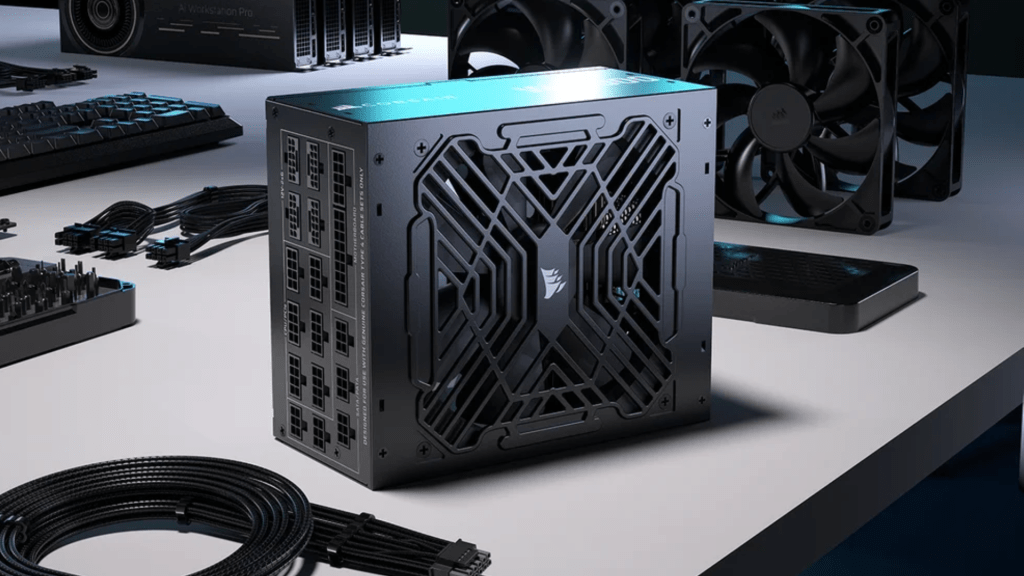
Then there’s the question of cable management. Modern cases are designed with airflow in mind, but many 850W units come with cables that are thicker or less flexible than older models. This isn’t just an aesthetic issue—it can force users to choose between a clean build and optimal cooling performance. Some newer units address this with modular cabling, but the cost premium is often significant, and not all brands deliver on the promise of ‘easy installation.’
What’s Actually Different in 2026?
The most visible change in 2026 power supplies is the push toward higher single-rail outputs. While multi-rail designs are still common, single-rail units—particularly those with a +12V universal input—are becoming more prevalent. This simplifies compatibility with modern motherboards and GPUs, but it also introduces new risks if the unit isn’t properly balanced.
Another shift is in thermal management. Older power supplies relied on large heatsinks or active cooling, but newer models often use a combination of smaller heatsinks and improved PCB layouts to reduce heat output. The tradeoff? Some units run hotter under sustained loads if the ambient temperature is high, which can be a problem for users in warmer climates or those building systems without additional cooling.
Finally, there’s the rise of ‘smart’ power supplies that monitor system load and adjust efficiency dynamically. These features sound advanced, but they’re not always worth the extra cost. In some cases, they add complexity without meaningful improvements for users who don’t need fine-grained control over their systems.
What Buyers Need to Know Now
- The 850W rating isn’t a guarantee of stability—it’s a starting point. Real-world performance depends on the unit’s efficiency, thermal design, and cable management.
- Efficiency matters more than ever. A power supply that drops below 85% under load will cost users more in electricity and reduce component lifespan.
- Cable quality isn’t just about aesthetics. Thicker or less flexible cables can force users to sacrifice airflow for a clean build, which impacts long-term performance.
- Not all ‘smart’ features are worth the premium. Some add complexity without tangible benefits for most users.
The bottom line is that buying a power supply in 2026 isn’t simpler—it’s more nuanced. The market has expanded, but so have the tradeoffs. Buyers who cut corners risk instability, higher costs, or even system failure. Those who take the time to compare specs, read benchmarks carefully, and consider real-world conditions will get a unit that works as advertised. For everyone else, the risks are still very much present.