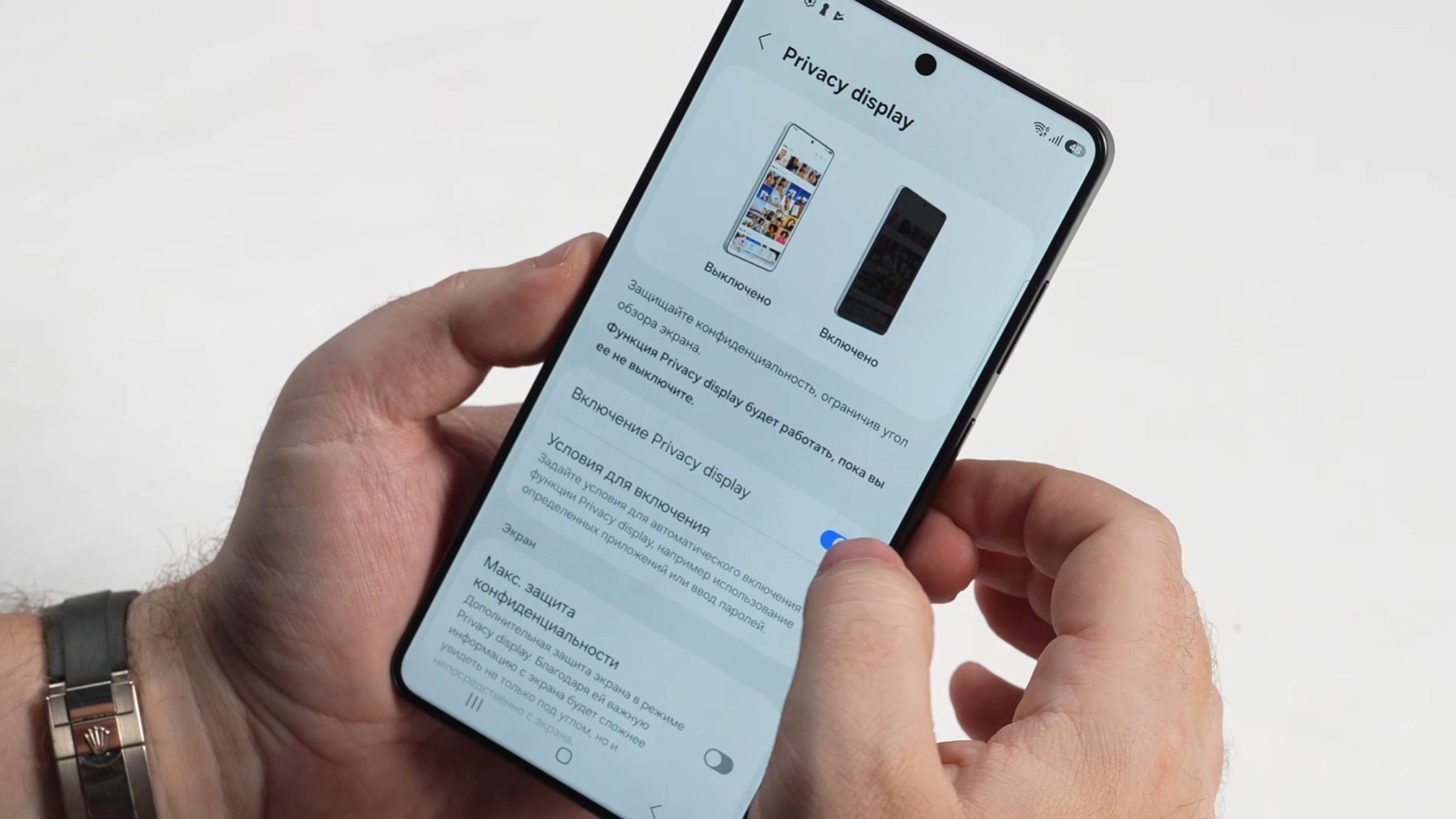
The Galaxy S26 Ultra’s privacy display, a heavily marketed innovation, has been put to the test—and the results suggest it’s more nuanced than Samsung’s marketing implies. While the feature can obscure on-screen content from direct side views, real-world testing shows it struggles when viewed from slightly elevated or angled positions, making it far less effective than expected.
Early hands-on demonstrations by tech creators reveal that the display’s privacy controls work best when someone sits directly beside you. However, even a slight shift in seating position—like leaning back or standing over the device—can render the feature nearly useless. For example, a person standing behind the phone or peering down at an angle can easily read text or see sensitive information, undermining the entire purpose of the technology.
The Feature’s Hidden Flaws
Samsung’s privacy display adjusts opacity levels to block side glances, but its effectiveness hinges entirely on the viewer’s exact position. The display’s anti-peeking capabilities degrade rapidly if the observer isn’t seated at a precise 90-degree angle. This limitation could make the feature unreliable in crowded spaces, such as cafes or public transport, where privacy is most critical.
One silver lining is that Samsung has enabled the privacy display by default for certain high-security apps, like banking or messaging platforms. However, this only addresses part of the problem—users must manually activate the feature for general use, and even then, its coverage remains inconsistent.
Key Specs and Tradeoffs
- Display Privacy Tech: Adjustable opacity levels for side-angle blocking (not foolproof).
- Default Activation: Enabled automatically for banking and sensitive apps.
- Real-World Limitation: Ineffective from elevated or non-direct angles.
- Battery Impact: Downgraded to a 5,000mAh battery (same as S25 Ultra, despite rumors of upgrades).
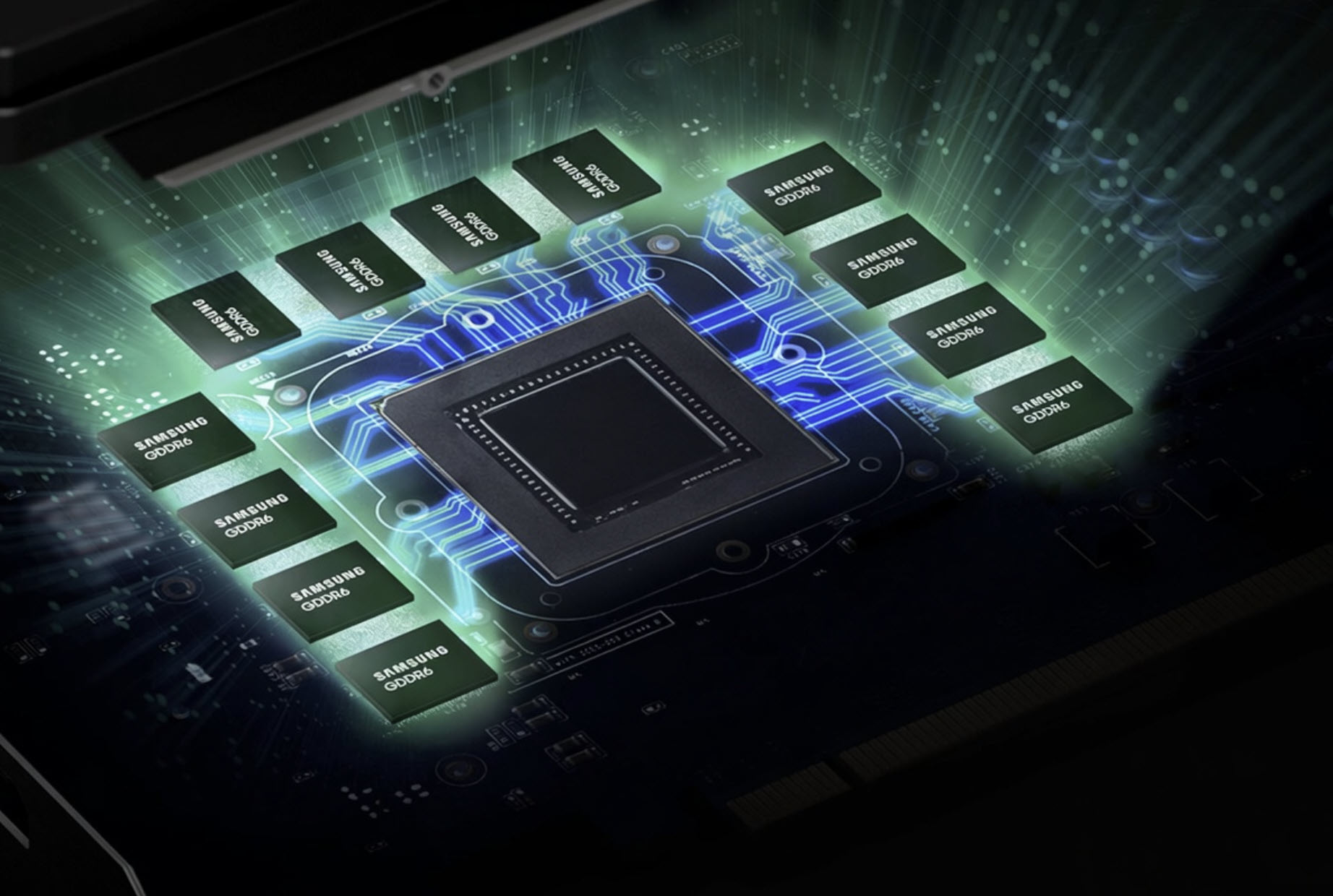
- Memory: Uses LPDDR5X RAM for performance.
The privacy display’s shortcomings highlight a broader challenge in smartphone design: balancing cutting-edge features with practical usability. While the technology is impressive in controlled tests, its real-world application leaves much to be desired. Samsung may need to refine the implementation—or at least manage user expectations—before this becomes a defining (or even useful) feature.
Availability for the Galaxy S26 Ultra remains tied to Samsung’s upcoming Galaxy Unpacked event, with no confirmed release date. Pricing details are also pending, though early leaks suggest a premium positioning.