The gap between Apple’s A-series chips and Qualcomm’s Snapdragon has long been a defining feature of flagship smartphone performance. For years, Apple’s single-core dominance in benchmarks like Geekbench 6 has been near absolute, with the A19 Pro in the iPhone 17 Pro Max setting the bar for raw computational efficiency. But new tests of the Samsung Galaxy S26 Ultra suggest that advantage may be shrinking faster than expected.
Leaked benchmark results for the Galaxy S26 Ultra, now running an overclocked Snapdragon 8 Elite Gen 5 with performance cores hitting 4.74GHz—up from the standard 4.61GHz—show the chip nearly closing the single-core performance gap. In Geekbench 6, the A19 Pro still holds a 3.5% lead in single-threaded tests, but the difference is razor-thin: 3,894 for the iPhone 17 Pro Max versus 3,761 for the Galaxy S26 Ultra. The real story, however, lies in multi-core performance, where the Snapdragon 8 Elite Gen 5 pulls ahead by a commanding 17.6%, scoring 11,454 compared to the A19 Pro’s 9,741.
This isn’t just a statistical blip. Earlier benchmarks of the Snapdragon 8 Elite Gen 5 on devices like the REDMAGIC 11 Pro showed lower single-core scores (3,696), but the Galaxy S26 Ultra’s latest results suggest Samsung has fine-tuned the chip’s optimization for sustained workloads. The improvement hints at a broader trend: Qualcomm’s latest architecture is not just keeping pace with Apple’s efficiency-focused design but leveraging its multi-core strength to deliver raw processing power in demanding scenarios.
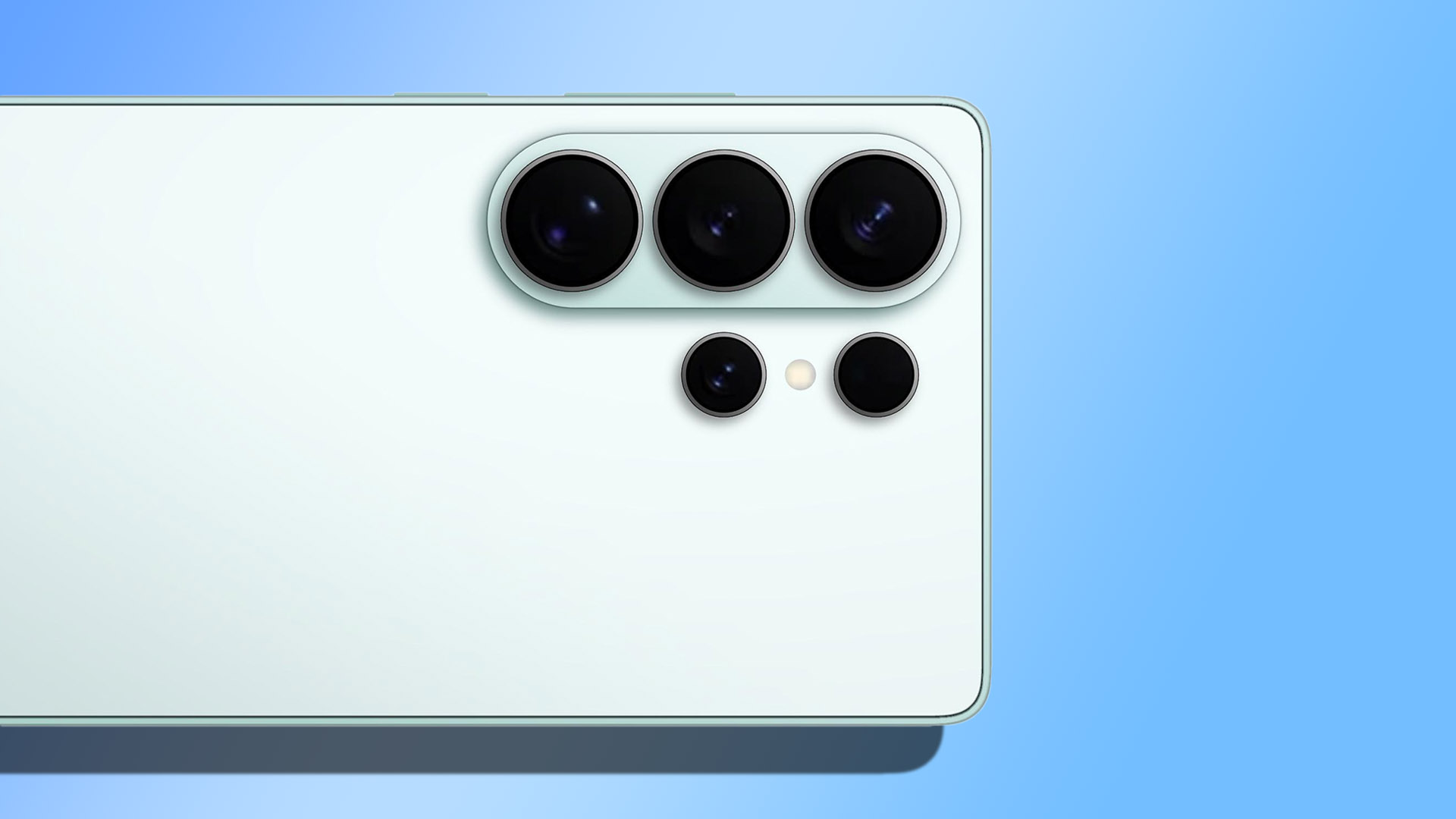
- Chip: Snapdragon 8 Elite Gen 5 (overclocked to 4.74GHz on Galaxy S26 Ultra)
- Single-core (Geekbench 6): 3,761 (vs. A19 Pro’s 3,894)
- Multi-core (Geekbench 6): 11,454 (vs. A19 Pro’s 9,741)
- Performance lead: 17.6% in multi-core, 3.5% behind in single-core
- Thermal challenge: Higher clock speeds may stress Samsung’s vapor chamber cooling
The implications are clear for tech enthusiasts and power users. While Apple’s A-series chips excel in efficiency—critical for battery life and sustained performance in single-threaded tasks like mobile gaming or app launches—the Snapdragon 8 Elite Gen 5’s multi-core dominance translates to better handling of complex workloads. This includes everything from heavy photo/video editing to AI-driven features, where additional cores and higher clock speeds can make a tangible difference. For Samsung, the tradeoff is thermal management; pushing the chip harder means it will run hotter, and the Galaxy S26 Ultra’s vapor chamber cooling will be put to the test under prolonged use.
But the bigger picture is Qualcomm’s long game. The Snapdragon 8 Elite Gen 6 Pro, expected later this year, could further narrow—or even reverse—the performance gap. If the Gen 5’s overclocked version is this close to the A19 Pro, the next iteration might finally deliver the knockout blow Apple’s been guarding against for years. For now, the Galaxy S26 Ultra’s benchmarks serve as a warning to Apple: the arms race isn’t slowing down.
The Galaxy S26 Ultra’s official launch is imminent, and with it, the first real-world test of whether these benchmark improvements translate to daily use. One thing is certain: the era of Apple’s unchallenged single-core supremacy may be drawing to a close.