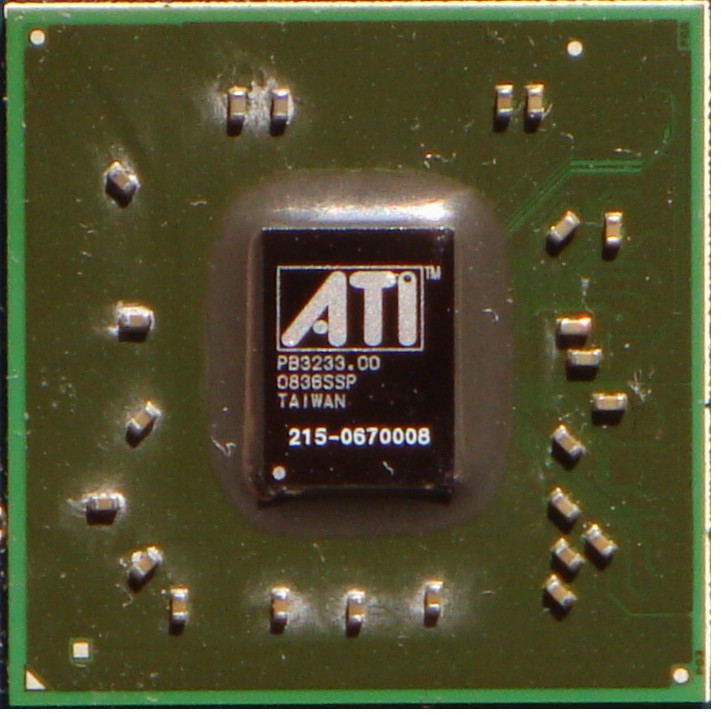
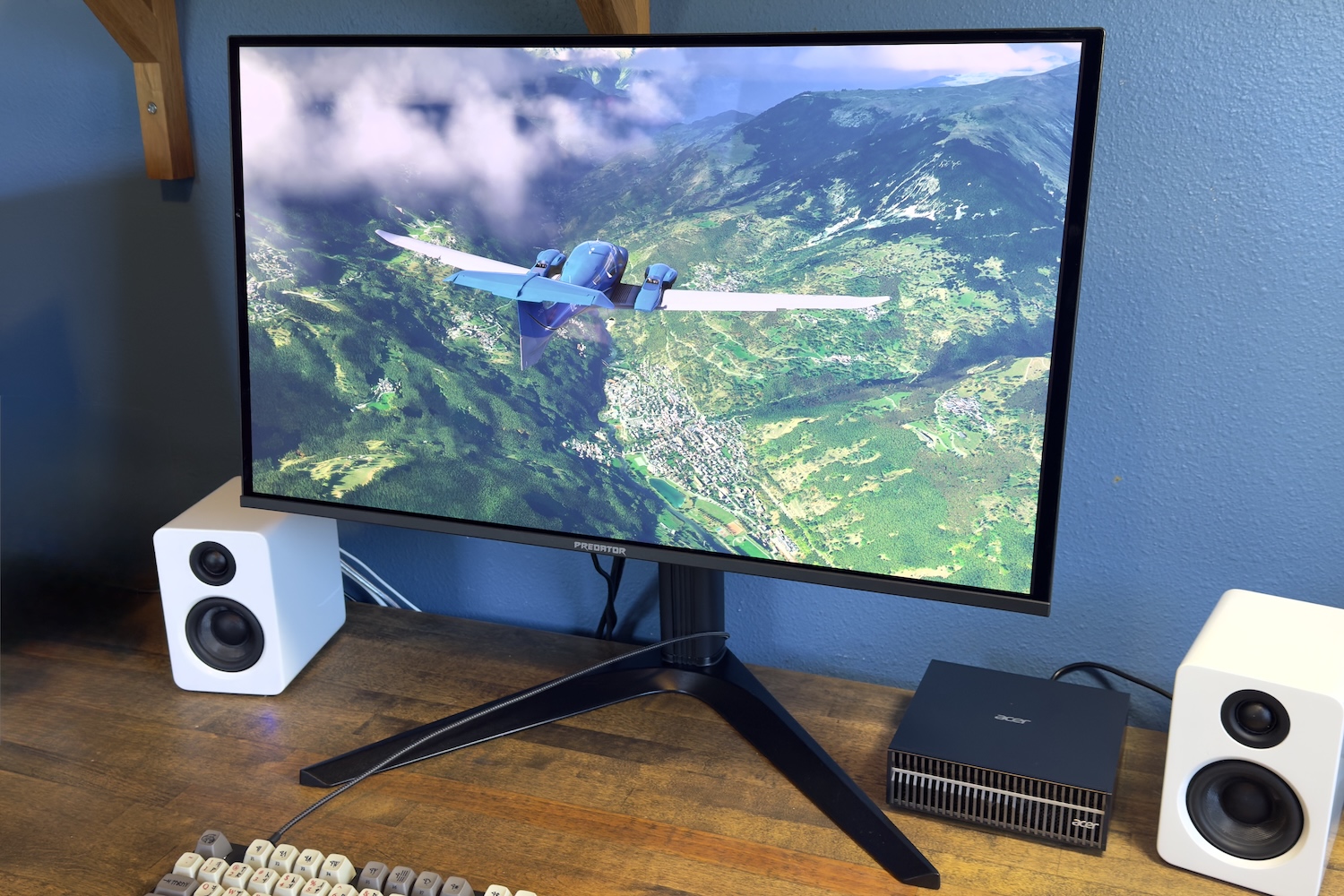
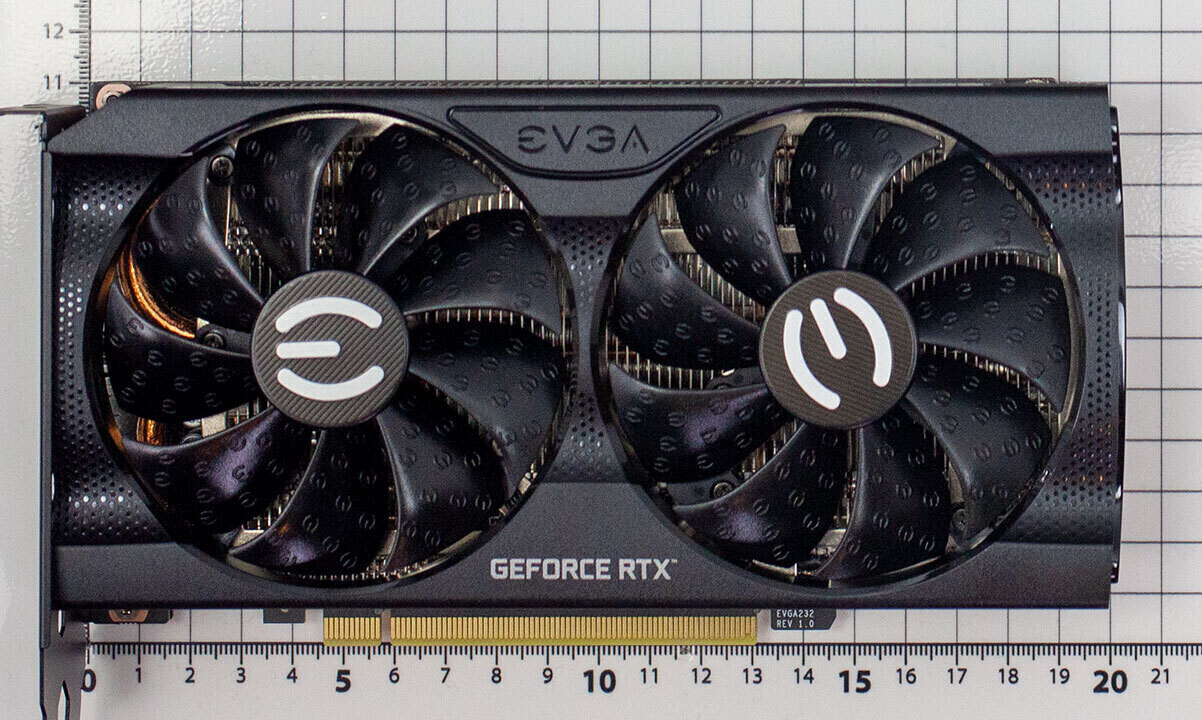
The Samson GPU’s troubled debut continues to dominate conversations among enthusiasts and developers alike. While the hardware itself promises a significant leap forward—with benchmarks suggesting up to 21 percent gains in competitive titles—real-world performance has fallen short of expectations due to a critical driver bug. The issue, which affects texture streaming and rasterization, manifests as stuttering during fast camera movements or high-resolution environments, making it particularly disruptive in fast-paced games.
Engineering teams have confirmed that the problem is not hardware-related but stems from an oversight in the driver’s memory management routines. A patch is expected within 72 hours to restore baseline performance and introduce a new stability mode, which dynamically limits texture resolution to mitigate the issue. In the interim, users are advised to disable dynamic lighting effects or reduce anti-aliasing settings to work around the problem.
The incident has reignited discussions about the risks of platform lock-in for workload-specific hardware. While such designs can deliver targeted performance gains, they also introduce single points of failure that can destabilize the broader ecosystem. The Samson GPU’s launch serves as a cautionary tale about the consequences of prioritizing optimization over stability in next-generation silicon.

Community reaction has been largely focused on the potential long-term impact of this setback. Some users have expressed concerns about whether the patch will fully resolve the issue or if deeper architectural challenges remain unaddressed. If the problem is resolved successfully, it could reinforce confidence in workload-optimized hardware; however, if not, it may prompt a reassessment of how performance and stability are balanced in future designs.
Looking ahead, the success or failure of this patch will be closely monitored by both developers and consumers. A positive resolution could set a precedent for more aggressive optimization in next-generation hardware, while persistent issues may lead to increased scrutiny over how such trade-offs are managed. For now, the Samson GPU remains a test case for the broader industry, highlighting the delicate balance between innovation and stability in high-performance computing.